7 Tips to Store Plant Based Proteins Properly?

Time:2026-09-19 Author:Madeline
0%

Storing plant-based proteins properly is not simply about clearing refrigerator space. Tofu, tempeh, cooked beans, lentils, seitan, and protein powders each respond differently to moisture, heat, and air. This guide explores seven practical tips for how to store vegetal proteins properly, using food-safety principles and realistic kitchen habits.

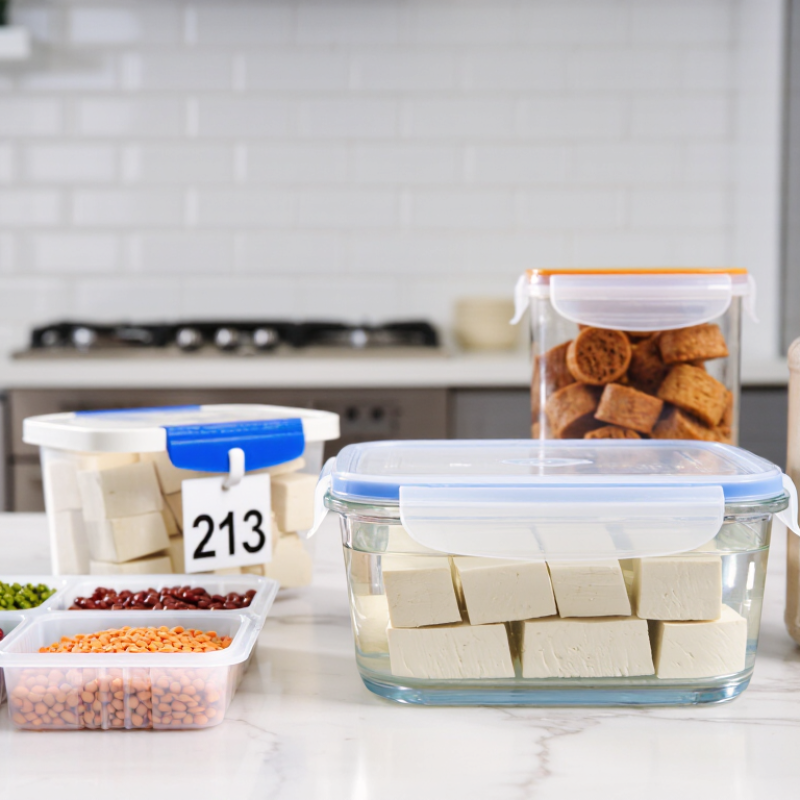
A sealed tofu package may sit safely in the refrigerator until its use-by date. Once opened, place the tofu in a clean container and cover it with fresh water. Change the water daily. Cooked beans and lentils need shallow containers, quick cooling, and refrigeration within two hours. Keep the refrigerator at 4°C or below. Freeze extra portions in clearly labeled containers. Small details matter. A handwritten date can prevent costly guesswork.

Shelley Feist, former executive director of the Partnership for Food Safety Education, offers a useful rule: “When in doubt, throw it out.” That advice applies when proteins smell sour, feel unusually slimy, or show unexpected mold. Dry powders also deserve care. Store them tightly closed in a cool, dry cupboard, away from steam and sunlight. Humidity can turn a smooth powder into hard, stale clumps.

Storage advice is not perfectly universal. Package instructions, local temperatures, and product formulation can change the safest choice. A tidy refrigerator can still hide forgotten leftovers. That is the uncomfortable part. Good storage requires regular checking, not only good intentions. These seven tips make the process clearer, safer, and easier to repeat.
7 Tips to Store Plant Based Proteins Properly?

Identify the Plant-Based Protein and Its Storage Requirements

7 Tips to Store Plant-Based Proteins Properly

Identify the plant-based protein before choosing its storage method. Dry beans, lentils, and peas need a cool, dry cupboard. Keep them in airtight containers, away from steam and sunlight. The USDA FoodKeeper guidance recommends checking packaging dates and protecting dry foods from moisture. Tip 1: Label the purchase date. Tip 2: Discard grains or legumes showing insects, dampness, or unusual odors. A dry cupboard is not always dry enough.

Refrigerated tofu, tempeh, and other fresh proteins require colder handling. The FDA Food Code sets 41°F (5°C) or below for refrigerated foods. Store unopened products according to their labels, then use opened portions promptly. Keep them sealed, with clean utensils and fresh water when required. Tip 3: Place them on a lower refrigerator shelf. Tip 4: Never rely only on smell. Some spoilage gives little warning. My practical mistake was keeping opened tofu near the door, where temperatures changed constantly.

Frozen plant proteins should remain fully frozen until needed. Use freezer-safe containers, remove excess air, and mark the freezing date. Tip 5: Divide large packages into meal-sized portions. Canned beans and peas belong in a cool cupboard before opening. After opening, transfer leftovers to a covered glass or food-safe container and refrigerate. The USDA FoodKeeper resource provides storage guidance for canned and dried foods, but package instructions still matter. Protein powders need special care too. Keep them sealed, dry, and away from heat. Tip 6: Do not store powder above a kettle. Tip 7: When uncertain, choose safety over saving food.

Prepare Products Properly Before Refrigerating or Freezing

7 Tips to Store Plant Based Proteins Properly?

Prepare products before chilling them. For cooked beans, lentils, or plant-based patties, divide food into shallow containers. Smaller portions cool faster and reduce repeated warming. USDA FSIS advises refrigerating leftovers within two hours and using them within three to four days. Keep your refrigerator at 40°F (4°C) or below, as recommended by the FDA. Hot food can go into the refrigerator; waiting for complete cooling is an outdated habit.

Press excess water from tofu before freezing. Wrap it tightly, remove trapped air, and freeze single portions for easier thawing. Frozen tofu becomes chewier, which may improve stir-fries but disappoint delicate recipes. Tempeh and seitan should also be sealed against freezer air. Label each package with the storage date. Use a waterproof marker. It sounds minor.

For cooked legumes, cool them briefly, then refrigerate them in covered containers. Do not leave a large, deep pot on the counter. USDA guidance supports freezing food at 0°F (-18°C) for safety, although quality declines over time. Thaw plant proteins in the refrigerator, not beside the sink. Check smell, texture, and packaging damage before cooking. When uncertain, discard it. I still sometimes portion too generously, so smaller containers remain the better choice.

7 Tips to Store Plant-Based Proteins Properly

Prepare plant-based proteins safely before refrigerating or freezing. Cool cooked foods promptly in shallow containers, refrigerate them at or below 4°C (40°F), and freeze foods at or below −18°C (0°F).

How to use this chart: Refrigerated prepared plant-based proteins are generally best used within 3–5 days. Freeze portions that will not be eaten during this period, label them with the date, and thaw them safely in the refrigerator.

Use Airtight Containers and Divide Proteins into Portions

Storing plant-based proteins well starts with the container. Choose an airtight container with a secure lid to limit moisture, air, and freezer odors. Glass or food-safe plastic can work when clean and undamaged. I usually let cooked lentils, tofu, or bean patties cool briefly before sealing them. However, I do not leave food at room temperature for long. Perishable leftovers should be refrigerated within two hours, or sooner in very warm conditions.

Divide the protein into portions before storing it. A single meal-sized portion is easier to cool, thaw, and reheat evenly. It also prevents repeated exposure to air. Use shallow containers for cooked beans or crumbled tofu. They cool more quickly than deep containers. Leave a little space when freezing, because food expands. Label each portion with the storage date. Clear labels help avoid guessing later.

Dry products need protection too. Keep unopened plant-based powders, dried peas, and textured proteins in airtight containers away from heat and humidity. A cool cupboard is usually suitable. Once opened, check for clumps, unusual odors, insects, or damaged packaging. Discard anything questionable. I once stored cooked lentils in one large container and wasted some after forgetting the date. Smaller portions would have helped. Refrigerated cooked proteins are generally best used within three to four days, while frozen quality depends on the food and packaging. Thaw portions in the refrigerator, not on the counter.屑

Control Temperature, Moisture, Light, and Storage Location

7 Tips to Store Plant-Based Proteins Properly

Store dried beans, lentils, peas, and textured plant proteins in a cool, dry cupboard. The USDA FoodKeeper guidance lists dried beans at about one to two years for best quality. Keep the temperature stable, ideally below 21°C. Avoid cabinets beside ovens, dishwashers, or sunny windows. Heat quietly shortens quality.

Use airtight containers with tight lids. Moisture encourages mold, clumping, and insect activity. Add a purchase date, then use older packages first. Keep protein powders away from steam and wet measuring spoons. They absorb odors easily. I still check the powder before use, because dates cannot reveal every storage mistake.

Protect sensitive products from direct light. Opaque containers help preserve color, flavor, and some nutrients. Store unopened packages on a low shelf, not on the floor. The FAO reports that 13.2% of food is lost between harvest and retail, showing why storage discipline matters. For cooked beans, tofu, or plant-based meals, refrigerate them within two hours. USDA guidance recommends using most leftovers within three to four days. If the refrigerator exceeds 4°C, shorten that window. A thermometer is better than guessing. I sometimes overestimate pantry dryness; a small humidity meter can expose the problem. Check for swelling, sour odors, moisture, or unusual insects before cooking. When uncertain, discard it.

Check Freshness Dates and Handle Stored Proteins Safely

Plant-based proteins stay safe when freshness checks become a daily habit. Read the use-by or best-before date before opening the package. A use-by date concerns safety, while a best-before date mainly indicates quality. Local rules can differ, so follow the package guidance. Refrigerators should remain at 4°C (40°F) or below. Cold matters. If tofu, tempeh, beans, or meat-free products smell sour, feel unusually slimy, or show mold, discard them. Do not taste questionable food.

Tip 1: Store unopened products in their recommended place, not automatically in the refrigerator.

Tip 2: Put opened foods in clean, airtight containers and write the opening date on the lid.

Tip 3: Keep cooked proteins chilled within two hours. Divide large portions into shallow containers for faster cooling.

Tip 4: Keep raw and ready-to-eat foods separate. Use different utensils when possible. Clean hands first.

Tip 5: Freeze food at -18°C (0°F) or below when you cannot use it soon. Remove excess air from freezer packaging to reduce icy damage.

Tip 6: Thaw products in the refrigerator, never on the counter.

Tip 7: Reheat cooked proteins until steaming hot throughout, then serve promptly.

I sometimes rely too heavily on smell, but smell alone cannot detect every harmful microorganism. When storage history is unclear, throwing food away is the safer choice. Freshness dates help; careful handling matters more.

FAQS

How should cooked beans, lentils, or plant-based patties be refrigerated?

Divide them into shallow, covered containers. Smaller portions cool faster. Refrigerate cooked food within two hours. Use it within three to four days.

Can hot plant-based food go directly into the refrigerator?

Yes, hot food can be refrigerated. Do not leave a deep pot on the counter. Shallow containers work better.

How should tofu be prepared before freezing?

Press out excess water first. Wrap tofu tightly and remove trapped air. Freeze it in single portions. The texture becomes chewier.

How should frozen plant proteins be thawed?

Thaw them in the refrigerator. Never thaw them beside the sink or on the counter. Check the package for damage afterward.

Where should dried beans, lentils, and protein powders be stored?

Keep them in a cool, dry cupboard below 21°C when possible. Avoid ovens, dishwashers, and sunny windows. Use airtight containers.

How can moisture and light damage stored plant proteins?

Moisture can cause mold, clumping, or insects. Light may reduce color, flavor, and some nutrients. Opaque containers offer better protection.

What freshness signs mean plant-based protein should be discarded?

Discard food with mold, sour odors, unusual slime, swelling, or insect activity. Do not taste questionable food. When uncertain, discard it.

How should opened and cooked proteins be handled safely?

Write the opening date on the container. Keep raw and ready-to-eat foods separate. Use clean hands and utensils. Reheat cooked proteins until steaming hot throughout.

Are freshness dates enough to judge stored food?

No. A use-by date relates more to safety, while a best-before date mainly concerns quality. Storage history matters too. I sometimes trust smell too much. Smell cannot reveal every harmful microorganism.

Conclusion

Storing plant-based proteins properly helps preserve their flavor, texture, and nutritional value while reducing waste. To learn how to store vegetal proteins properly, first identify the type of food, such as tofu, tempeh, beans, lentils, seitan, or plant-based meat, because each may have different storage needs. Before refrigerating or freezing, drain excess liquid, cool cooked foods completely, and follow any preparation instructions on the package. Divide large quantities into practical portions so they can be used without repeatedly exposing the remaining food to air and temperature changes.

Use clean, airtight containers or suitable freezer bags to protect proteins from moisture, odors, and freezer burn. Keep refrigerated foods at a consistently cold temperature and frozen foods fully frozen. Store them away from direct light and place ready-to-eat items separately from raw ingredients. Always check freshness dates, inspect for unusual odors, colors, or textures, and discard anything that appears spoiled. When reheating or serving stored proteins, handle them hygienically and avoid leaving them at room temperature for extended periods.

Madeline

Madeline

Madeline is a dedicated marketing professional with a wealth of expertise in our company's core offerings. With a keen understanding of the industry, she brings a unique perspective to her role, consistently delivering high-quality content that highlights the superior aspects of our products. As......