Premium vegetal isolates, bio-active hydrolyzed powders, and select food-grade grain products designed for high solubility, thermal stability, and clean-label compliance.
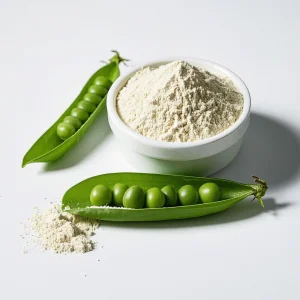
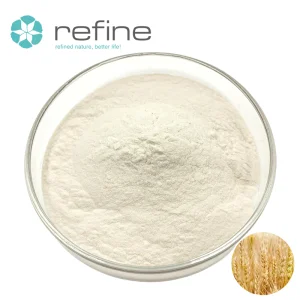
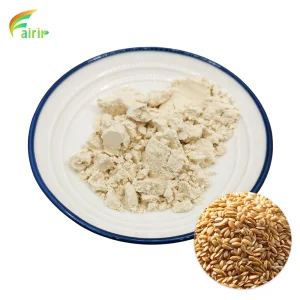
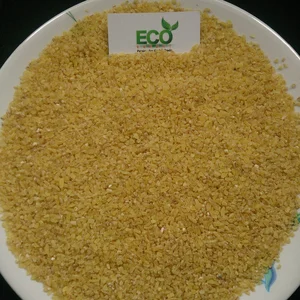
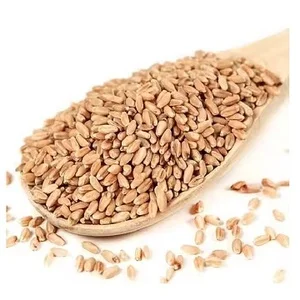
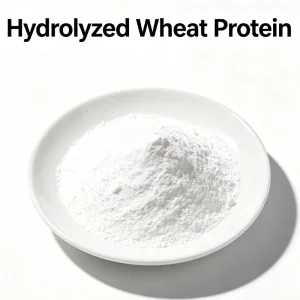
The global shift toward vegetal proteins has driven massive demand in both nutritional formulation and advanced biochemical synthesis. Wheat protein, historically prized for its functional viscoelastic properties in baking, has undergone a fundamental technological evolution. Modern industries no longer view wheat protein as a singular commodity ingredient. Instead, it is partitioned into high-value functional categories: Native Wheat Gluten, Hydrolyzed Wheat Protein (HWP), and highly bio-accessible Wheat Oligopeptides.
As leading global wheat protein manufacturers, entities like Ningbo Bolly biology Co., Ltd. leverage advanced fractionation technologies to isolate protein fractions while maintaining the structural integrity of vital amino acid profiles. The market dynamics are currently propelled by the clean-label movement, gluten-based texturizers in clean-meat analogs, and structural enhancements within the cosmetic raw material sector (CAS 70084-87-6).
This functional customization allows global food scientists and cosmetic chemists to optimize their formulations. In the food matrix, wheat proteins construct the essential gluten networks required for water absorption and gas retention. In personal care, enzymatic cleavage generates low-molecular-weight peptides that easily penetrate the keratinous layers of hair and skin, behaving as effective natural humectants and structuring agents.
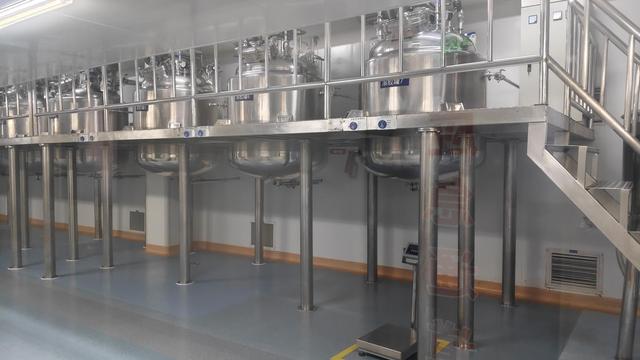
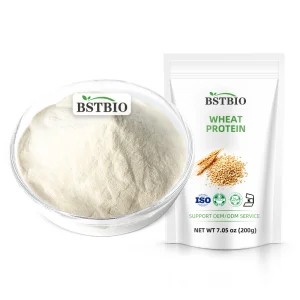
The manufacturing process of Hydrolyzed Wheat Protein (HWP) involves targeted enzymatic cleavage. Unlike harsh acid hydrolysis, which can degrade sensitive amino acids like tryptophan and cystine, enzymatic routes utilize food-grade endopeptidases and exopeptidases. This methodology breaks the high-molecular-weight gluten polymers (gliadin and glutenin) into targeted peptide fragments ranging from 1,000 to 5,000 Daltons.
Technical Precision: Enzymatic hydrolysis at controlled temperatures and pH values ensures that the resulting protein powder preserves its native biological activity. The resulting hydrolyzed wheat protein exhibits optimized solubility across a broad pH spectrum (pH 3.0 to 9.0), making it highly compatible with both acidic beverage formulations and alkaline cosmetic emulsions.
In hair and skin care applications (CAS 70084-87-6), hydrolyzed wheat protein acts as a film-forming and moisture-regulating agent. The primary mechanism involves:
In the wake of global trade instabilities, supply chain resilience is a core metric for international buyers. Chinese manufacturers, particularly those in industrial hubs like Ningbo, have established massive competitive advantages in the vegetal protein sector. Ningbo Bolly biology Co., Ltd. demonstrates this excellence by optimizing three main axes of the supply chain:
Operating near the Port of Ningbo-Zhoushan—the world’s busiest port by cargo tonnage—allows for highly efficient global shipping. This location minimizes domestic transport times, reduces dry inland shipping costs, and guarantees faster export customs clearance. For global buyers, this means lead times for bulk shipments of hydrolyzed wheat protein are reduced by up to 15-20% compared to inland factories.
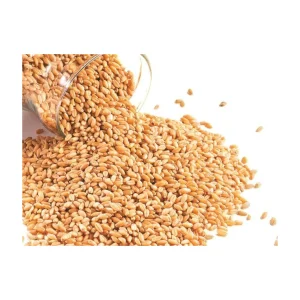
Chinese factories secure reliable supplies of high-grade durum and soft wheat grains through established agricultural corridors. Continuous screening for moisture control (max 14%), protein content (min 12%-14%), and strict heavy metal limits ensures that raw inputs remain consistent year-round. Advanced storage silos prevent seasonal quality variations, neutralizing supply shocks common in European and North American agricultural markets.
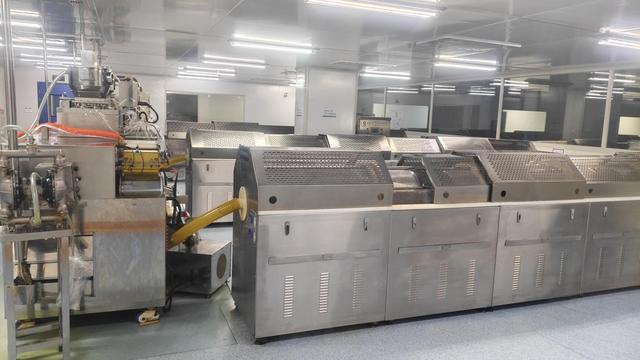
By using highly automated, continuous spray-drying towers and multi-stage enzymatic reactors, local facilities reduce energy consumption per metric ton of protein produced. This high capital efficiency translates into stable pricing for end consumers, shielding global brands from the wild pricing fluctuations of energy-constrained manufacturing hubs.
To successfully integrate plant proteins into various regional markets, manufacturers must adapt to localized tastes, functional expectations, and dietary habits. Wheat protein presents unique advantages due to its neutral flavor and exceptional functional flexibility.
In these regions, consumers demand natural ingredients, minimal processing, and texturizers that emulate animal muscle fibers. Vital Wheat Gluten is utilized to build the chewiness and fiber structures of vegan beef and chicken substitutes. Furthermore, Hydrolyzed Wheat Protein serves as a clean-label alternative to chemical dough conditioners (such as L-cysteine) in commercial baking, improving volume, crumb structure, and shelf life without violating clean-label declarations.
The APAC region has seen a rapid increase in the consumption of functional ready-to-drink (RTD) beverages and instant noodle products. Soluble wheat oligopeptides are integrated into sports beverages and nutritional formulations due to their rapid gastric emptying rate and fast systemic absorption. In instant noodles, the incorporation of 1%-2% high-protein wheat flour enhances the elasticity and bite resistance of the noodles, preventing sogginess when boiled.
With the rise of veganism in personal care, beauty brands in regions like Western Europe, Japan, and South Korea are replacing animal-derived collagen with wheat-derived peptides. Formulators utilize Soluble Wheat Protein (CAS 70084-87-6) to create natural skin-tightening serums and damage-repair shampoos that carry vegan and organic certifications.
The next phase of innovation in wheat protein manufacturing centers around sustainability, precision extraction, and tailormade bio-functionality. Below is the strategic development roadmap utilized by forward-looking producers:
Traditional wheat starch and gluten extraction processes generate significant amounts of wheat bran and mill run. The future lies in the high-value upcycling of these co-products. Utilizing targeted cellulases and hemicellulases, manufacturers are unlocking trapped protein matrices in wheat bran to produce organic feed-grade proteins and high-fiber prebiotic ingredients.
Advancements in membrane filtration and chromatography will enable manufacturers to isolate specific peptide sequences from hydrolyzed wheat protein. These high-purity peptides will target specific physiological benefits, such as high anti-oxidant activity, anti-hypertensive properties (ACE inhibition), and enhanced collagen synthesis markers in dermal cells.
Aligning with global ESG criteria, modern refineries are moving toward closed-loop water filtration (reducing freshwater intake by up to 40%) and integrating solar arrays to power energy-intensive spray-drying towers. This green transition ensures that the carbon footprint of plant-based proteins remains significantly lower than that of dairy or soy isolates.
Ningbo Bolly biology Co., Ltd. is a leading China vegetal protein manufacturer specializing in high-quality plant protein ingredients for food and beverage applications. With a strong commitment to innovation, quality, and sustainability, the company provides comprehensive plant-based protein solutions to customers worldwide.
Leveraging advanced production technologies and strict quality management systems, Ningbo Bolly biology offers a diverse portfolio of vegetal protein ingredients, including soy protein, pea protein, rice protein, wheat protein, and other specialty plant proteins. These ingredients are widely used in functional foods, beverages, nutritional supplements, sports nutrition products, meat alternatives, dairy alternatives, bakery products, and health foods.
The company places great emphasis on research and development, continuously exploring new plant protein technologies to meet the evolving demands of the global food industry. Its experienced R&D team works closely with customers to develop customized ingredient solutions that enhance nutritional value, improve texture, optimize taste, and support clean-label product development.
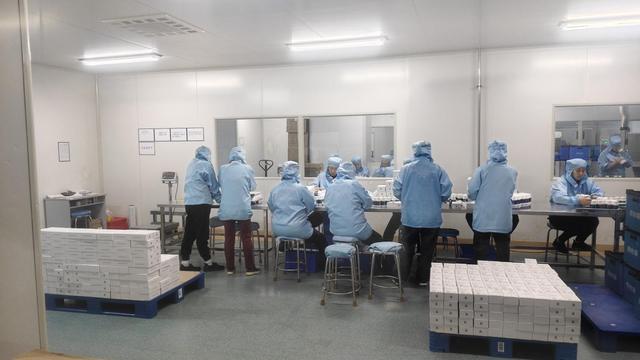
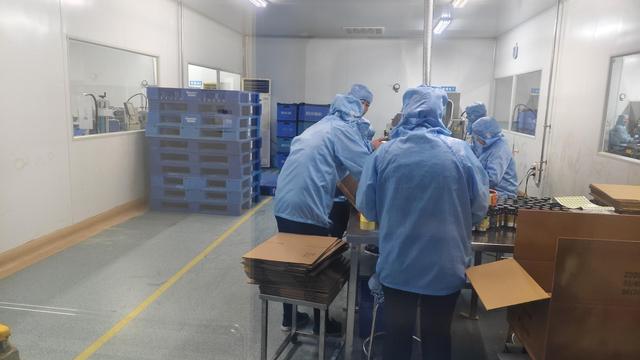
Quality and safety are at the core of Ningbo Bolly biology' operations. The company implements rigorous quality control procedures throughout the entire production process, ensuring that all products meet international standards and customer requirements. By maintaining consistent product quality and reliable supply capabilities, the company has established long-term partnerships with food manufacturers, distributors, and brand owners across multiple international markets.
Driven by customer satisfaction and sustainable development, Ningbo Bolly biology Co., Ltd. continues to deliver innovative vegetal protein solutions that help customers create healthier, more sustainable, and market-competitive food and beverage products worldwide.


Essential insights for procurement managers, formula developers, and quality control engineers sourcing wheat protein products globally.
Vital Wheat Gluten is a native, insoluble protein matrix that possesses high viscoelasticity, crucial for binding and texture in meats and bakery items. In contrast, Hydrolyzed Wheat Protein (HWP) has undergone enzymatic breakdown to reduce its molecular weight. This process eliminates its gelling properties, rendering it highly soluble, making it ideal for beverages, cosmetics, and functional nutrition where binding is undesirable.
Cosmetic-grade hydrolyzed wheat protein acts as a structural nutrient. Its rich proline and glutamic acid profile mirrors the natural moisturizing factors (NMF) of human skin and keratin. It forms a protective, non-occlusive film over hair and skin, reducing water loss, improving elastic recovery, and repairing chemical damage on the hair cuticle.
We implement strict quality assurance protocols at every stage, including raw material screening, enzyme-inactivation monitoring, and continuous microbial assays. Our facilities comply with ISO standards, and we offer GMO-free and Halal-certified options to meet global regulatory requirements in the US, Europe, and the Middle East.
Yes. Because our hydrolysis processes are purely enzymatic (using natural food-grade enzymes rather than hydrochloric acid or synthetic catalysts), the ingredient is categorized as a clean-label component. It can be declared simply as "Hydrolyzed Wheat Protein" or "Wheat Peptides" depending on the local jurisdiction.
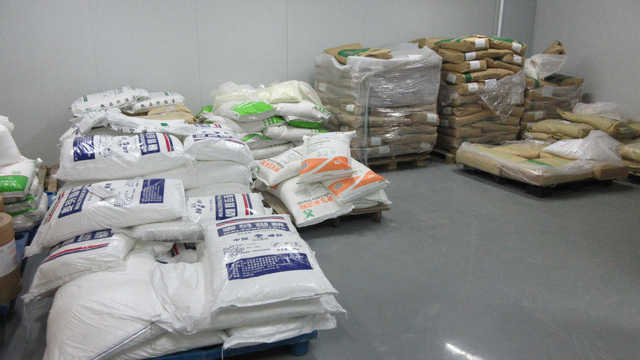
Typically, bulk shipments are packaged in multi-ply paper bags with inner polyethylene liners (20kg or 25kg net weight). We recommend storing the product in dry, cool conditions (temperature below 25°C, relative humidity below 60%) to prevent clumping and maintain the biological integrity of the powder over a 24-month shelf life.
Advanced low-molecular-weight peptide chains, organic feed-grade components, and specialized protein complexes for global distribution.
 Bolly Biology