Direct supply-chain access to organic-certified seed proteins, kernels, and functional botanical extracts.
An authoritative analysis of plant protein shifts, biochemical profiles, and clean-label manufacturing routes.
The global plant-based protein market is undergoing a seismic structural shift. While first-generation plant proteins like soy and gluten dominated early market adoption, they are increasingly constrained by growing consumer concern over allergenicity, genetic modification (GMO), and chemical solvent residues like hexane. As a result, the food and beverage industry is experiencing a rapid surge in demand for clean-label, allergen-free plant proteins.
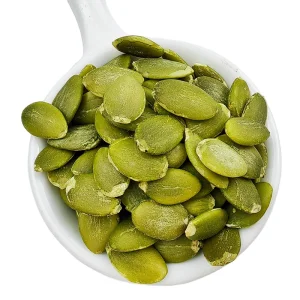
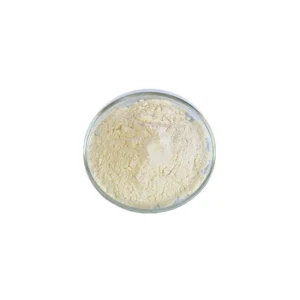
Pumpkin seed protein (specifically derived from the kernel of Cucurbita pepo) has emerged as a premium alternative. Possessing a mild, nutty flavor profile, superior solubility in liquid matrices, and a highly competitive micronutrient profile, pumpkin seed protein acts as both a functional emulsifier and a dense nutritional fortification agent. Market intelligence indicates a projected CAGR of 8.4% for specialized seed proteins between 2023 and 2030, driven by the clean-label trend, keto/paleo lifestyle adoption, and the expansion of allergen-sensitive vegan demographics.
Formulators must evaluate protein sources not just on crude protein content, but on the balance of amino acids, digestibility, mineral density, and sensory profiles. Below, we compare the dry-basis nutritional performance of these three major plant proteins:
| Nutritional Marker (per 100g) | Soy Protein Isolate | Pea Protein Concentrate | Organic Pumpkin Seed Protein (60%) |
|---|---|---|---|
| Crude Protein Content | 90% | 80% | 60% - 70% |
| Allergen Status | Major Allergen (FDA/EU) | Hypoallergenic | Hypoallergenic (Highly Tolerated) |
| Magnesium Content | ~40 mg | ~36 mg | ~500 - 600 mg (Industry Leading) |
| Zinc Content | ~4.5 mg | ~3.0 mg | ~15 - 18 mg |
| Branched-Chain Amino Acids (BCAA) | High | Medium-High | Rich in L-Arginine, Glutamic Acid & BCAAs |
| Extraction Method | Hexane Chemical Solvent | Mechanical & Enzyme Separation | Physical Cold-Press & Fine Milling |
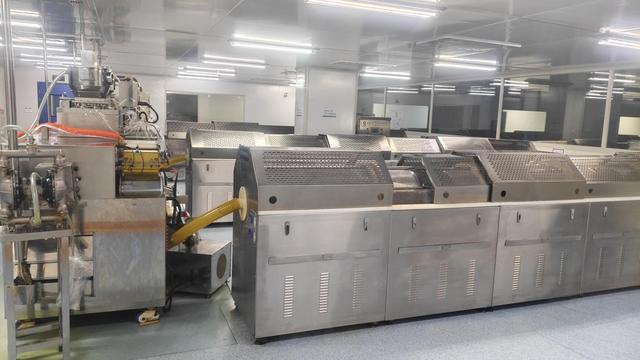
At our partner factories, the production of pumpkin seed protein relies on advanced thermal-control mechanical separation. This process ensures that the protein does not denature, preserving the bioavailability of target amino acids and fats. The manufacturing pipeline consists of three core phases:
Fresh pumpkin kernels undergo low-temperature expeller pressing below 50°C. This mechanical squeezing isolates premium virgin pumpkin oil while yielding a dry, protein-dense cake with less than 8-10% residual lipids.
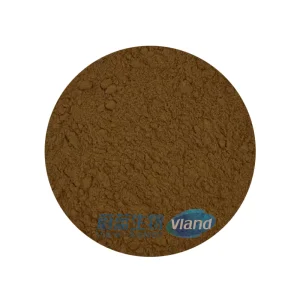
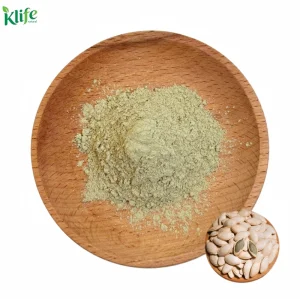
The defatted oil cake is air-cooled and routed to a specialized mill that grinds the material under cryogenic controls. This prevents localized heat buildup, protecting volatile nutrients and achieving a particle size distribution of <100 mesh.
By leveraging air-classification technology, the product is separated into 60% and 70% protein grades without chemical solvents. The resulting powder is vacuum-sealed to prevent oxidation during maritime export.
Ningbo Bolly Biology Co., Ltd. - A leading global supplier of botanical proteins and functional ingredients.
Ningbo Bolly biology Co., Ltd. is a leading China vegetal protein manufacturer specializing in high-quality plant protein ingredients for food and beverage applications. With a strong commitment to innovation, quality, and sustainability, the company provides comprehensive plant-based protein solutions to customers worldwide.
Leveraging advanced production technologies and strict quality management systems, Ningbo Bolly biology offers a diverse portfolio of vegetal protein ingredients, including soy protein, pea protein, rice protein, wheat protein, and other specialty plant proteins. These ingredients are widely used in functional foods, beverages, nutritional supplements, sports nutrition products, meat alternatives, dairy alternatives, bakery products, and health foods.
The company places great emphasis on research and development, continuously exploring new plant protein technologies to meet the evolving demands of the global food industry. Its experienced R&D team works closely with customers to develop customized ingredient solutions that enhance nutritional value, improve texture, optimize taste, and support clean-label product development.
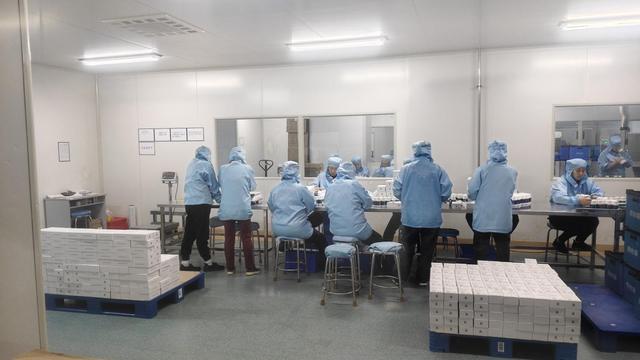
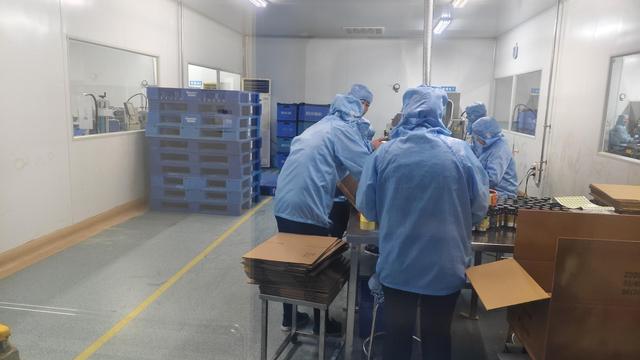
Quality and safety are at the core of Ningbo Bolly biology' operations. The company implements rigorous quality control procedures throughout the entire production process, ensuring that all products meet international standards and customer requirements. By maintaining consistent product quality and reliable supply capabilities, the company has established long-term partnerships with food manufacturers, distributors, and brand owners across multiple international markets.
Driven by customer satisfaction and sustainable development, Ningbo Bolly biology Co., Ltd. continues to deliver innovative vegetal protein solutions that help customers create healthier, more sustainable, and market-competitive food and beverage products worldwide.

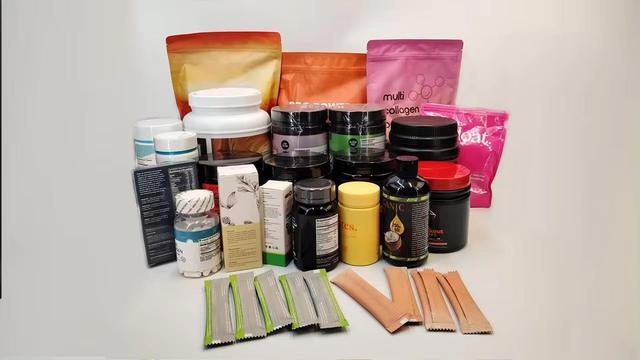
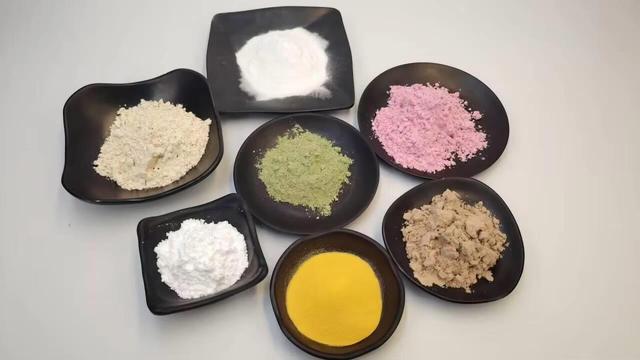

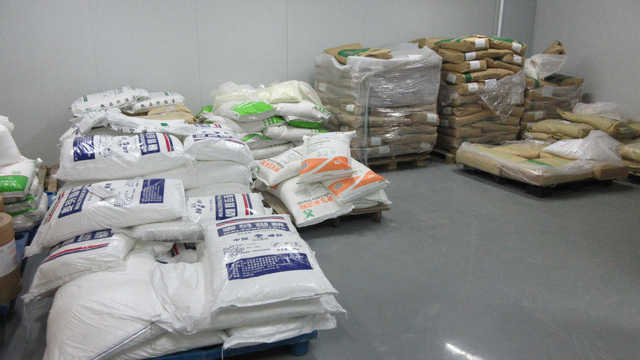

How global food brands and manufacturers leverage pumpkin seed derivatives to target high-growth consumer markets.
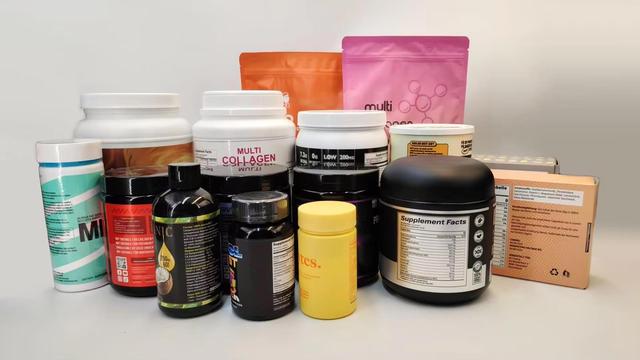
For sports performance blends, pumpkin seed protein is an ideal vegan base. Because it is naturally low in carbohydrates and rich in L-arginine—an amino acid precursor to nitric oxide—it supports cardiovascular performance and muscle recovery. It integrates smoothly into ready-to-mix (RTM) protein powder containers and plant-based protein bars. Its natural emulsification properties also reduce the need for additives like sunflower lecithin.
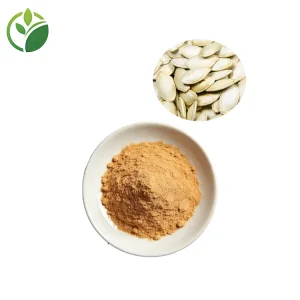
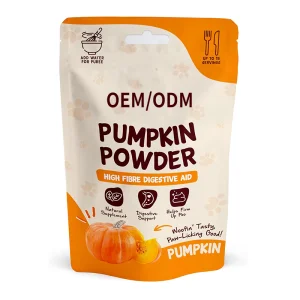
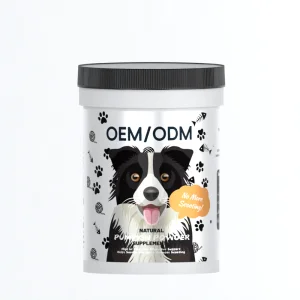
The premium pet food market is increasingly utilizing plant proteins to address dietary sensitivities in dogs and cats. Defatted pumpkin seed powder and pumpkin seed extract, combined with soluble fibers like inulin and fructooligosaccharides, improve gastrointestinal health, support the immune system, and regulate bowel movements. This combination is highly functional in grain-free pet food kibble, wet meals, and nutritional toppers.
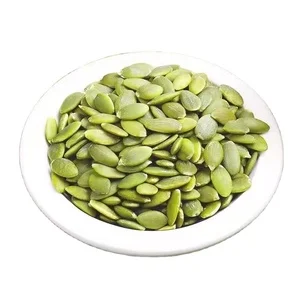
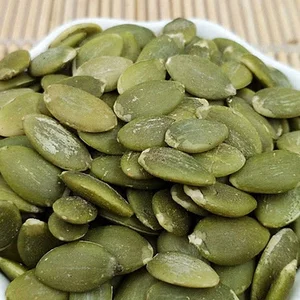
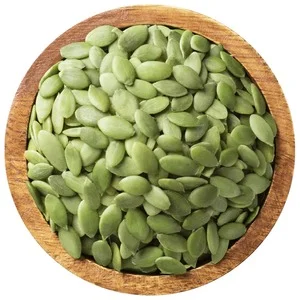
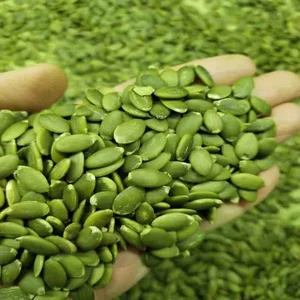
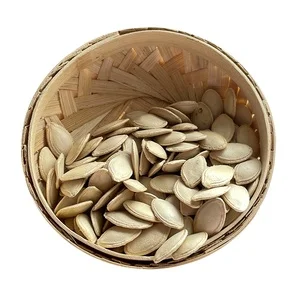
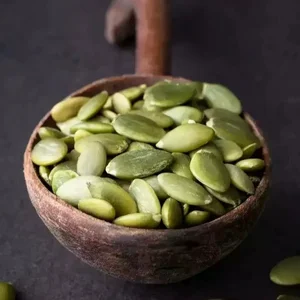
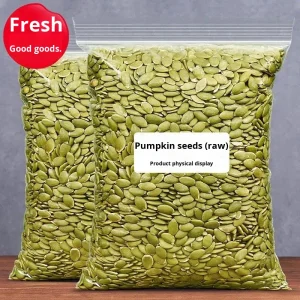
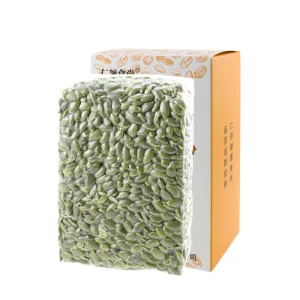
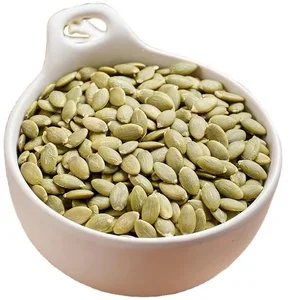
De-hulled, raw, and roasted pumpkin seed kernels are staple ingredients in premium artisanal baking. They provide texture, a distinct visual appeal, and a nutty flavor profile to breads, energy clusters, and premium snack mixes. For bulk baking and commercial pastry production, utilizing clean, handpicked kernels with high purity rates (99.5%+) ensures minimal waste and high consistency in automated food production lines.
Detailed explanations regarding sourcing, quality assurance, and product specifications.
When kept under cool, dry conditions (temperature below 20°C and relative humidity below 60%) in its original unopened packaging, our plant proteins retain peak quality and nutritional values for 12 to 24 months. Standard double-layer PE bags placed within heavy-duty fiber drums protect the product from moisture and oxidation during long-distance transit.
Cold pressing relies on mechanical expellers operating at temperatures below 50°C. By avoiding high thermal processing and chemical solvents, we prevent protein denaturation and protect sensitive amino acids (like lysine and methionine). This keeps the protein highly digestible and soluble.
Yes. All seeds are sourced from designated cultivation zones, primarily in Inner Mongolia, where farming follows strict organic practices. Every batch is certified non-GMO, and organic variants comply with USDA-NOP and EU organic standards.
Our facilities are fully certified under international quality systems, including HACCP, ISO 22000, and Kosher/Halal standards. Heavy metal, microbiological, and chemical pesticide analyses are conducted on every production run to ensure compliance with international food regulations.
Browse our complete list of seeds, specialized pet supplements, and plant-based protein powders.
 Bolly Biology