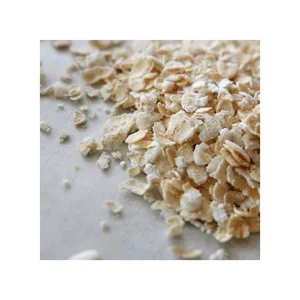
Premium-grade plant-derived proteins, peptides, and beta-glucan compounds certified for clean-label food, beverage, and personal care formulations.
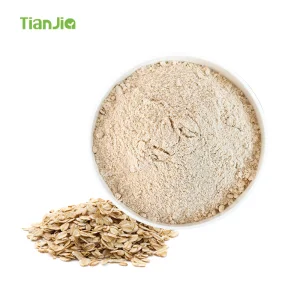
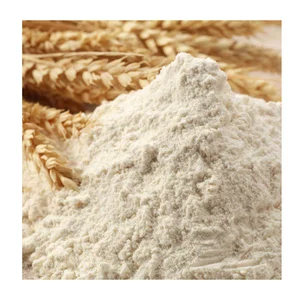
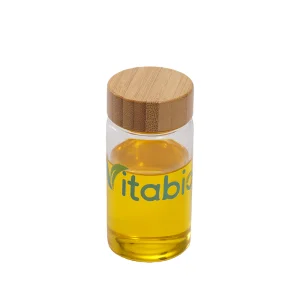
Annual Production Capacity
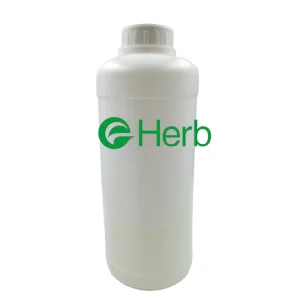
Hydrolyzed Peptides
Global Export Network
Clean Label Certified
A Comprehensive Technical Whitepaper on Extraction, Biochemistry, and Sourcing Optimization.
As the global consumer shift toward plant-based nutrition accelerates, Oat Protein has emerged as a premium functional ingredient. Extracted from the kernels of *Avena sativa*, oat protein presents a unique nutritional and structural profile compared to conventional plant proteins like soy, wheat, or pea. Recognized for its exceptional clean flavor profile, low allergenicity, and outstanding emulsification properties, oat protein has transitionally advanced from a basic cereal component to an indispensable element in modern food engineering and cosmetics chemistry.
In B2B industrial formulation, selecting the right raw materials requires an in-depth understanding of the crop's protein fractions. Unlike other cereals where prolamins dominate, oats are characterized by a high concentration of globulin fractions (nearly 70-80% of the total protein). These globulin proteins are structurally similar to legume proteins, offering excellent water-binding capacity and stability. This distinct biochemistry renders oat protein exceptionally valuable for clean-label dairy alternatives, ready-to-drink (RTD) nutritional shakes, and high-performance hypoallergenic cosmetics.
Historically, the extraction of protein from oats presented challenges due to the co-existence of heavy beta-glucan chains and lipids. Modern Chinese oat protein factories have pioneered enzymatic physical separation methods to overcome these limitations. By employing specific food-grade alpha-amylases and beta-glucanases, processing lines selectively degrade starch and soluble fibers, leaving the protein concentrate intact. This process ensures that the structural integrity of the amino acids is not compromised, preserving their natural PDCAAS (Protein Digestibility-Corrected Amino Acid Score).
Furthermore, specialized membrane filtration loops and low-temperature spray-drying systems prevent thermal denaturation. This optimization ensures that the finished powder maintains high dispersibility. For cosmetic applications, advanced factories apply enzymatic hydrolysis to cleave oat protein molecules into low-molecular-weight peptides (typically below 2000 Daltons). These micro-peptides possess superior penetration properties, forming protective films on hair cuticles and human skin barriers.
Why global B2B procurement managers trust China for high-volume, premium-grade plant protein supply chains.
Chinese processors partner with massive oat cultivation bases in high-latitude, non-GMO regions such as Inner Mongolia. This ensures stable raw material supply, consistent crop grades, and complete batch-to-batch traceability from seed to shipping container.
By leveraging automated enzymatic processing plants, exporters can fractionate oats into high-purity protein (up to 90% dry basis), industrial-grade beta-glucan, and micro-refined oat fibers, minimizing waste and optimizing costs.
Leading Chinese exporters hold certifications required for worldwide distribution, including ISO9001, ISO22000, Halal, Kosher, and USDA Organic. Analytical testing sheets (COA, HPLC assays, heavy metal profiles) accompany every shipment.
The applications for oat protein stretch across diverse industrial sectors. In the Food and Beverage Sector, oat protein is vital for stabilizing plant-based milks. Its natural emulsifying properties coat oil droplets, preventing phase separation in high-temperature beverages like barista-grade oat milk. The mild, sweet, and nutty profile of oats eliminates the need for expensive flavor-masking compounds common in pea or soy formulations.
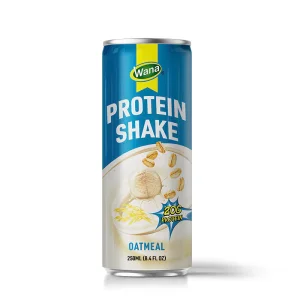
For Sports Nutrition & Dietetic Supplements, oat oligopeptides and instant whey-oat blended powders provide a sustained-release amino acid profile. Rich in branched-chain amino acids (BCAAs), these powders are designed for post-workout muscle recovery and satiety management. The inclusion of co-extracted oat beta-glucans offers an added digestive benefit, satisfying the rising consumer demand for gut-healthy functional foods.
In the Personal Care and Cosmetic Industry, liquid hydrolyzed oat protein functions as a powerful humectant. It contains high levels of glutamic acid and proline, which physically bond with keratin structures. When formulated into hair care products, it forms a structural matrix over damaged shafts, increasing tensile strength and reducing breakage. In skin care, it delivers excellent anti-irritation performance, soothing dry, sensitive skin types.
B2B technical specifications and guidelines for evaluating bulk oat protein suppliers.
For food grade concentrates, verify dry-basis protein levels (typically 70% to 80%). For nutritional blends or specialized peptides, confirm the degree of hydrolysis and average molecular weight via HPLC gel filtration chromatography.
Evaluate behavior across different pH ranges. While native oat protein has low solubility in water, modified/hydrolyzed variants must achieve rapid dispersion without sedimentation in RTD beverage formulations.
Strictly enforce limits on Arsenic, Lead, and Cadmium. Ensure total plate count (TPC), yeast and mold levels comply with international standards. Request certified third-party testing reports (SGS or Eurofins).
A global pioneer in high-performance vegetal protein ingredients.
Ningbo Bolly biology Co., Ltd. is a leading China vegetal protein manufacturer specializing in high-quality plant protein ingredients for food and beverage applications. With a strong commitment to innovation, quality, and sustainability, the company provides comprehensive plant-based protein solutions to customers worldwide.
Leveraging advanced production technologies and strict quality management systems, Ningbo Bolly biology offers a diverse portfolio of vegetal protein ingredients, including soy protein, pea protein, rice protein, wheat protein, and other specialty plant proteins. These ingredients are widely used in functional foods, beverages, nutritional supplements, sports nutrition products, meat alternatives, dairy alternatives, bakery products, and health foods.
The company places great emphasis on research and development, continuously exploring new plant protein technologies to meet the evolving demands of the global food industry. Its experienced R&D team works closely with customers to develop customized ingredient solutions that enhance nutritional value, improve texture, optimize taste, and support clean-label product development.
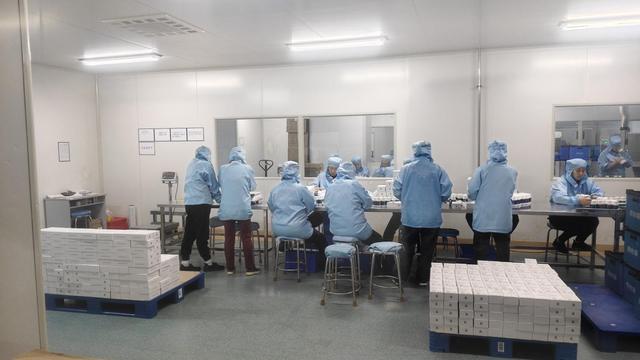
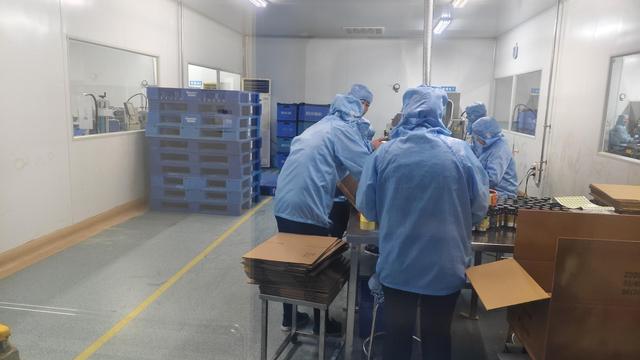
Quality and safety are at the core of Ningbo Bolly biology' operations. The company implements rigorous quality control procedures throughout the entire production process, ensuring that all products meet international standards and customer requirements. By maintaining consistent product quality and reliable supply capabilities, the company has established long-term partnerships with food manufacturers, distributors, and brand owners across multiple international markets.
Driven by customer satisfaction and sustainable development, Ningbo Bolly biology Co., Ltd. continues to deliver innovative vegetal protein solutions that help customers create healthier, more sustainable, and market-competitive food and beverage products worldwide.




Expert answers addressing the technical, regulatory, and formulation questions of B2B procurement teams.
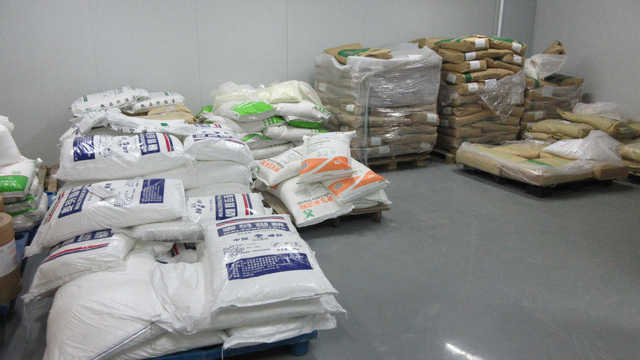
Under optimal storage conditions (dry, cool storage below 25°C, relative humidity under 60%), industrial oat protein powder has a shelf life of 24 months. Ensure the product remains sealed in its original multi-layer paper bags with PE inner liners to prevent moisture absorption and lipid oxidation.
Oat protein features a naturally sweet and nutty flavor. Unlike soy, which can have beany off-notes, or pea protein, which often exhibits grassy profiles, oat protein requires minimal flavor masking, making it a favorite for clean-label plant-based beverages and infant formulas.
Oats are inherently gluten-free; however, cross-contact can occur if processed on shared lines with wheat or barley. Leading exporters utilize dedicated gluten-free oat processing lines and implement ELISA testing to guarantee gluten levels remain under 20 ppm. Oat protein is generally considered hypoallergenic.
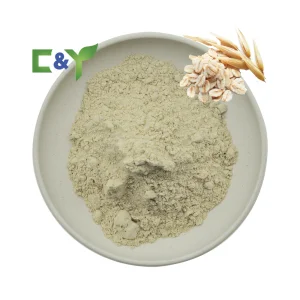
Oat protein concentrate is a dry powder containing 70% to 80% protein, suited for nutritional structure and plant-based foods. Oat peptides (or hydrolyzed oat protein) undergo enzymatic cleavage, reducing their molecular weight for superior solubility in liquids and excellent skin penetration in cosmetics.
Modified or partially hydrolyzed oat proteins display strong emulsion stability across a broad pH range (from 3.5 to 7.0). Their surface-active properties lower interfacial tension between oil and water, reducing the need for synthetic stabilizers in acid-formulated plant beverages.
Premium B2B exporters provide ISO9001, ISO22000 (HACCP), Halal, and Kosher certifications. Many factories also offer Non-GMO statements and USDA/EU organic certificates upon request, backed by third-party testing documentation.
Explore the full range of oat-derived concentrates, isolates, peptides, and fibers ready for global export.
 Bolly Biology