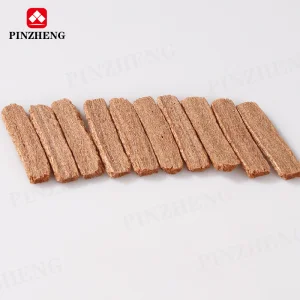
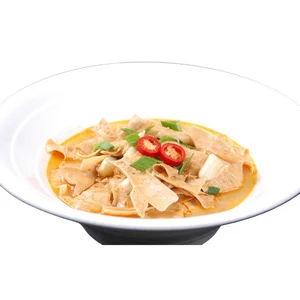
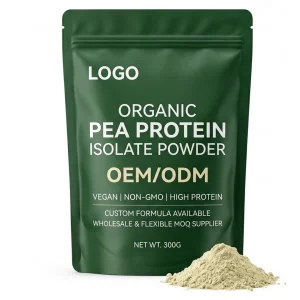
Ready-to-ship high-performance texturized proteins, isolated pea powders, and functional food compounds.
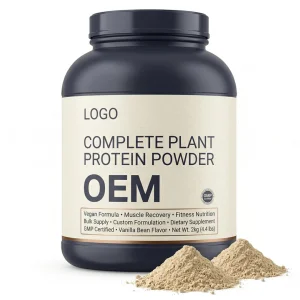
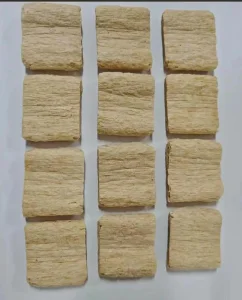
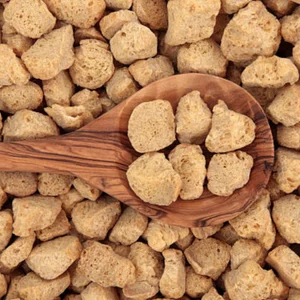
The plant-based food industry is undergoing a critical transition. Brands are moving away from simple vegan labels to focus on high-fidelity texture, nutritional density, and clean-label integrity. At the core of this transition is Textured Vegetable Protein (TVP), an engineered plant ingredient that simulates the fibrous muscle structure of meat. Originally dominated by defatted soy flour, today’s TVP sector uses advanced protein isolation and extrusion technology. It now processes a wide range of botanical bases, including yellow field peas, wheat gluten, rice, and faba beans.
This diversification is driven by consumer demand for allergen-free options, non-GMO verification, and functional benefits. For global food manufacturers, choosing a TVP partner is no longer just about buying raw materials. It requires selecting a manufacturer with the R&D capabilities to customize physical properties like the water absorption index (WAI), chewiness, shear force, and particle size distribution.
Ningbo Bolly biology Co., Ltd. is a leading China vegetal protein manufacturer specializing in high-quality plant protein ingredients for food and beverage applications. With a strong commitment to innovation, quality, and sustainability, the company provides comprehensive plant-based protein solutions to customers worldwide.
Leveraging advanced production technologies and strict quality management systems, Ningbo Bolly biology offers a diverse portfolio of vegetal protein ingredients, including soy protein, pea protein, rice protein, wheat protein, and other specialty plant proteins. These ingredients are widely used in functional foods, beverages, nutritional supplements, sports nutrition products, meat alternatives, dairy alternatives, bakery products, and health foods.
The company places great emphasis on research and development, continuously exploring new plant protein technologies to meet the evolving demands of the global food industry. Its experienced R&D team works closely with customers to develop customized ingredient solutions that enhance nutritional value, improve texture, optimize taste, and support clean-label product development.
Quality and safety are at the core of Ningbo Bolly biology' operations. The company implements rigorous quality control procedures throughout the entire production process, ensuring that all products meet international standards and customer requirements. By maintaining consistent product quality and reliable supply capabilities, the company has established long-term partnerships with food manufacturers, distributors, and brand owners across multiple international markets.
Driven by customer satisfaction and sustainable development, Ningbo Bolly biology Co., Ltd. continues to deliver innovative vegetal protein solutions that help customers create healthier, more sustainable, and market-competitive food and beverage products worldwide.
How we engineer physical characteristics to replicate real animal muscle tissues at the microscopic level.
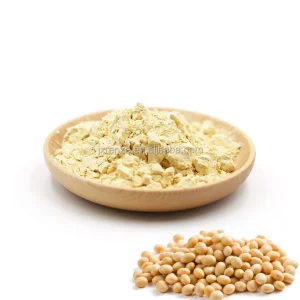
We begin with premium, non-GMO IP raw materials. Through mechanical air classification and wet milling, we extract high-purity protein isolates (80-90% concentration) and concentrates (65-70% concentration) from soy, wheat, and pea bases, maintaining natural native structures.
The protein matrix is subjected to thermal-mechanical energy within our food-grade extruders. Precise temperature controls (ranging from 120°C to 160°C) denature the globular proteins, realigning their molecular chains along the flow direction.
As the aligned protein melt passes through targeted die configurations, moisture expands rapidly (in dry extrusion) or cools down uniformly (in wet extrusion). This creates cross-linked, fiber-like layers that mimic animal muscle structures.
We provide tailored solutions across various food processing industries. Our formulations are optimized to meet the specific functional demands of different applications:
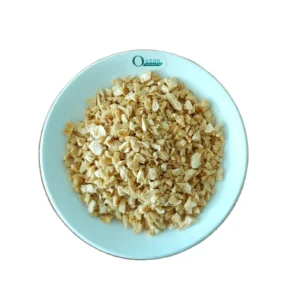
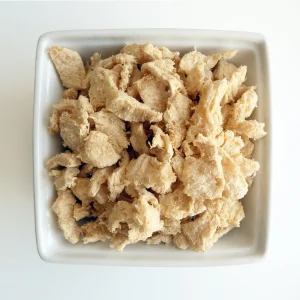
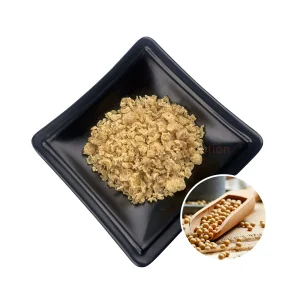
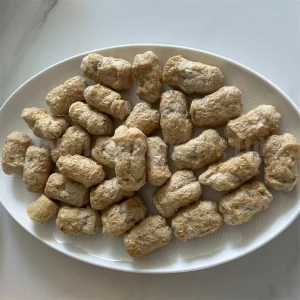
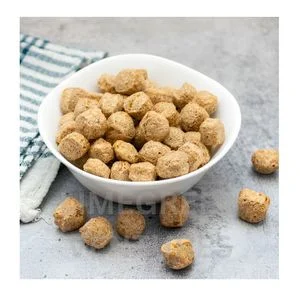
For brands aiming to match the mouthfeel of beef, pork, or poultry, our Soy TVP Chunks and Granules provide the necessary structural support. They maintain their shape after high-shear mixing and retort cooking. With a high water-binding capacity, they keep patties juicy during pan-frying or grilling.
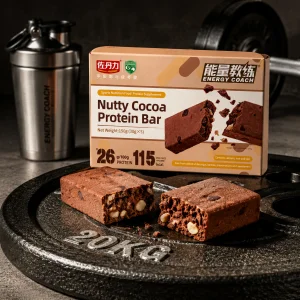
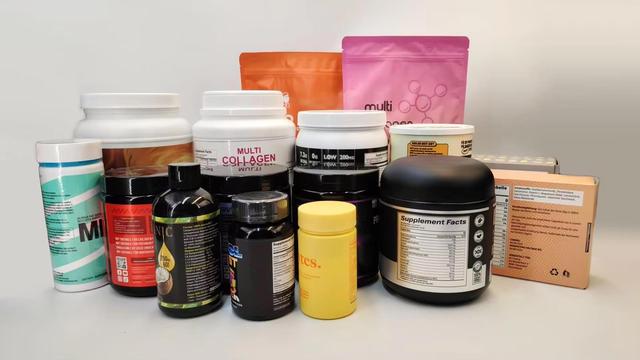
Our textured pea and rice proteins are designed for sports nutrition bars and powdered supplements. They offer highly digestible, allergen-free proteins with a balanced amino acid profile, clean flavor, and smooth texture.
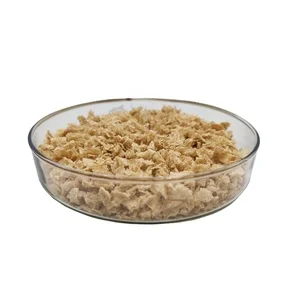
Our dry TVP is engineered for retort-stable applications, including canned chili, dry mixes, and frozen dinners. It rehydrates quickly in broth or water, saving time on the production line.
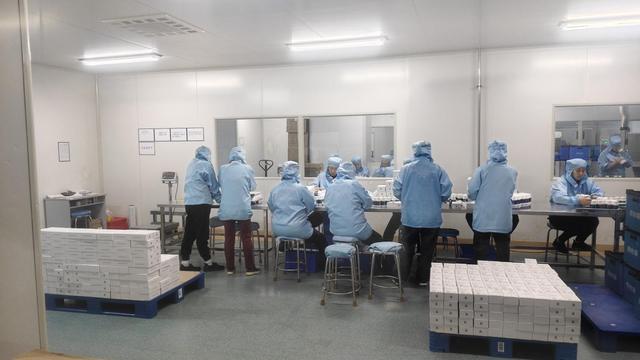
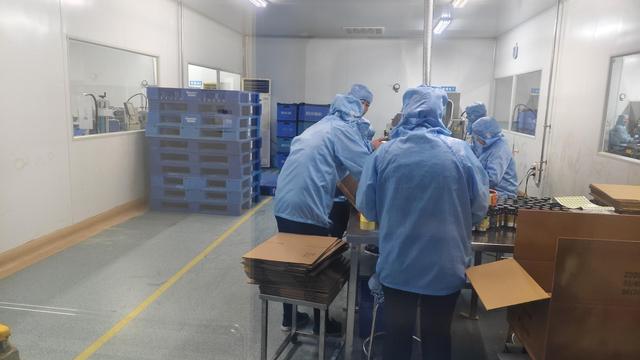
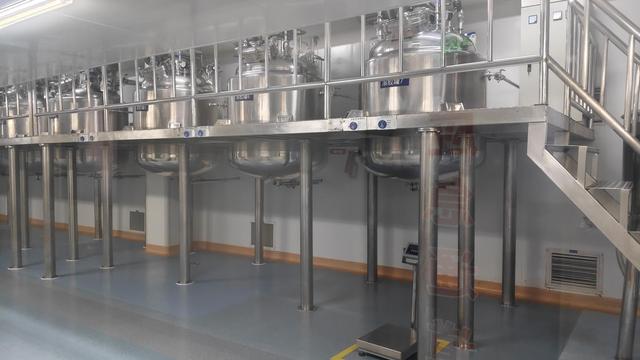
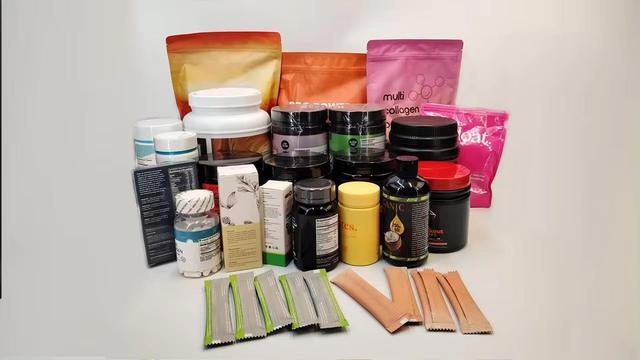
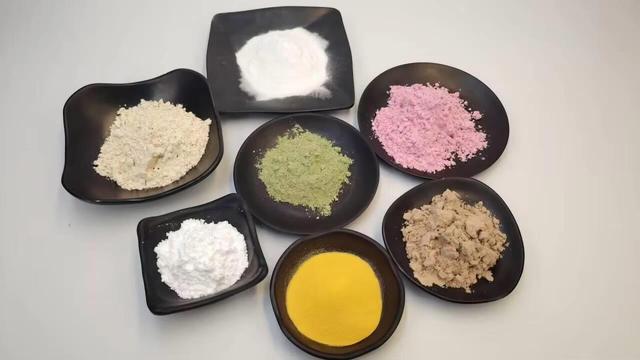
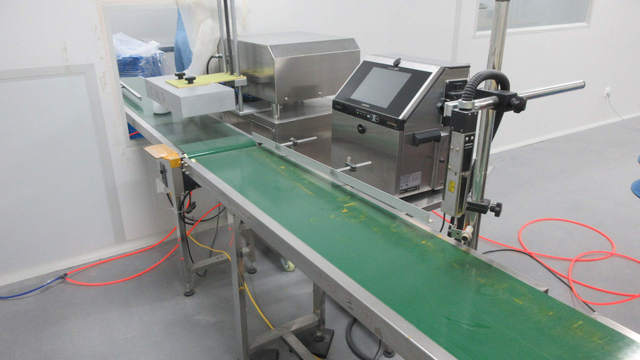
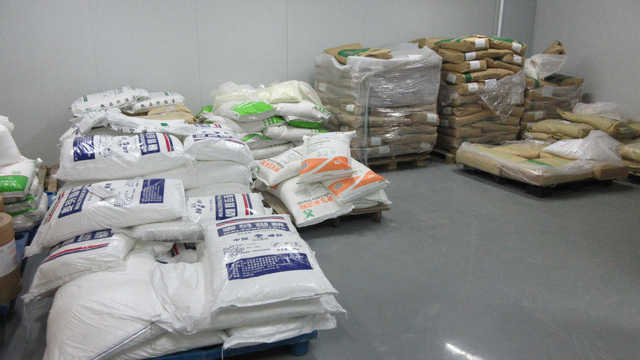
Tour our state-of-the-art facility featuring ISO 9001, Halal, Kosher, and allergen-free standards.
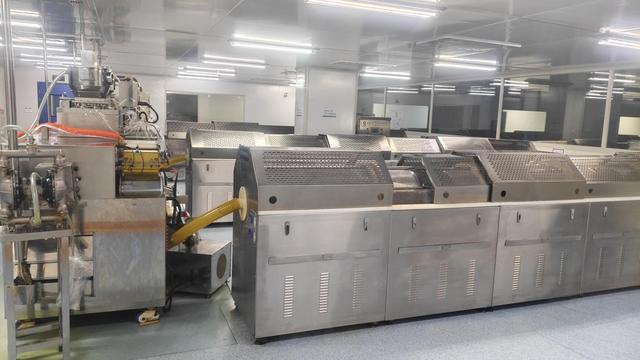

In-depth responses to frequent technical questions from research chefs, procurement officers, and food formulation scientists.
Soy TVP features a high concentration of globulin proteins (glycinin and beta-conglycinin), which yield strong, fibrous networks and high chewiness after twin-screw extrusion. Pea TVP, which is soy-free and gluten-free, relies on legumin and vicilin proteins. While it creates a slightly softer texture, it offers clean-label, hypoallergenic benefits and a neutral taste profile.
Our TVP products typically maintain a hydration ratio of 1:3 to 1:3.5. Rehydration times vary by size: granules require 5–10 minutes, while larger chunks require 15–20 minutes in water or seasoned broth. We recommend rehydrating at ambient or warm temperatures (around 40°C to 60°C) to ensure uniform moisture distribution.
We operate an Identity Preserved (IP) supply chain. Every batch of raw soybean flakes or meal is tracked from the planting stage to our processing line. We conduct PCR testing on incoming raw ingredients and provide official IP certification documents to verify Non-GMO status for international shipments.
Our manufacturing facilities are ISO 9001 certified. We also hold Kosher and Halal certifications to meet diverse market standards worldwide. Our production lines undergo regular independent third-party audits to maintain strict hygiene, sanitation, and allergen-prevention controls.
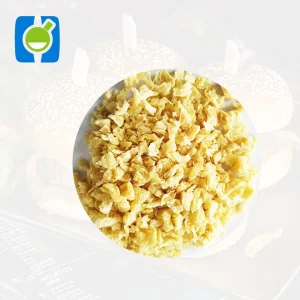
Yes. We offer customization through precise die designs and adjustable screw speeds. We can produce granules (1-3mm) for meat sauces and minced fillings, chunks (10-20mm) for plant-based stews, and custom flakes for poultry alternatives.
Because dry TVP has a moisture content below 10%, it resists microbial spoilage. It has a shelf life of up to 18-24 months when stored in original sealed packaging under cool (less than 25°C), dry conditions, away from direct sunlight and strong odors.
Explore our full range of textured soy chunks, dietary plant protein powders, and export-grade TVP products.
 Bolly Biology