2026 Best Ways to Reduce Off Flavors in Plant Proteins?

Time:2026-09-04 Author:Mason
0%

The increasing popularity of plant-based diets has sparked interest in the flavor profile of plant proteins. Various studies show that off flavors can significantly deter consumers. According to a report by Food Technology Magazine, nearly 60% of consumers reported negative experiences with the taste of plant proteins. This highlights the critical need for effective strategies on how to reduce off flavors in plant proteins.

Experts in the field emphasize the importance of refining production processes. Dr. Sarah Thompson, a leading food scientist, states, “Addressing off flavors in plant proteins is essential for consumer acceptance.” Techniques such as better ingredient sourcing and innovative processing methods can help enhance flavor. However, these solutions are not foolproof and require ongoing research and development.

The challenge lies in balancing flavor enhancement with nutritional value. Some methods can alter protein composition, which may not align with health goals. Continuous refinement and consumer feedback are vital. The quest for the best ways to reduce off flavors is ongoing, but the potential rewards make this pursuit worthwhile.
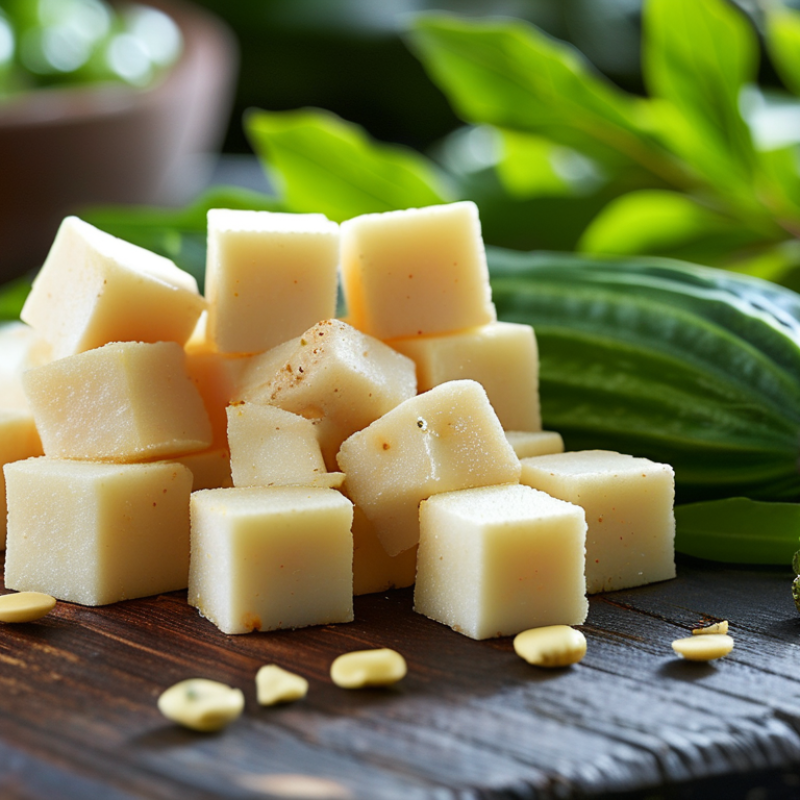
2026 Best Ways to Reduce Off Flavors in Plant Proteins?

Understanding Off Flavors in Plant Proteins: Causes and Factors

Understanding off flavors in plant proteins is crucial for improving their acceptance. Factors such as raw material quality, processing conditions, and ingredient interactions significantly contribute to these undesirable flavors. According to a study published in the Journal of Food Science, roughly 30% of plant protein products are rejected due to off flavors. This statistic highlights the pressing need for solutions.

Common causes of off flavors include lipid oxidation, Maillard reactions, and the natural flavor profiles of specific plants. For instance, legumes often carry beany notes. These flavors can be intensified by high temperatures during processing. Data from food industry reports suggest that temperature control can reduce off flavors by up to 40%. Regular sensory evaluations and proper processing techniques are essential for managing these flavors effectively.

Additionally, understanding consumer preferences is key. Research indicates that 70% of consumers are sensitive to aftertastes in plant proteins. Developing recipes that minimize these off notes while enhancing positive flavor attributes remains a challenge. Continuous research and innovation are needed to address these limitations. The dialogue between flavor science and consumer expectations plays a pivotal role in shaping future plant protein offerings.

Physical Methods to Mitigate Off Flavors in Plant Protein Products

Off-flavors in plant proteins can be a significant challenge for food manufacturers. Physical methods to mitigate these flavors focus on manipulating the physical properties of the protein. One effective technique is thermal processing. Studies reveal that heating plant proteins can reduce undesirable flavors by altering their biochemical structure. For instance, a report from the Institute of Food Technologists indicates that steaming can decrease beany notes in soy protein significantly.

Another method is adsorption. This involves using materials like activated carbon to bind off-flavors. Research shows that this technique can effectively remove volatile compounds responsible for rancidity and other off-flavors. In one study, researchers noted a 50% reduction in off-flavors when using activated carbon with pea protein isolates. However, the efficiency of this method may vary based on the specific protein source and the off-flavor compounds present.

Ultrasound treatment is gaining traction in flavor mitigation. This technique enhances the solubility and dispersibility of proteins, which may lead to flavor improvements. While initial results are promising, further investigation is essential. Not all proteins respond uniformly to ultrasound, and inconsistent outcomes may arise. This highlights the need for a more thorough understanding of how different processing variables interact with plant proteins. Exploring these physical methods can lead to better quality products, though they are not without their challenges.

Chemical Treatments for Flavor Improvement in Plant Proteins

Chemical treatments have emerged as effective methods to address off flavors in plant proteins. Managing these flavors can significantly enhance the overall quality of plant-based products. Scientists often use various techniques to modify the taste profiles of proteins derived from plants. These treatments can involve processes such as fermentation or enzymatic degradation. These methods not only improve flavor but also increase digestibility.

Researchers have focused on altering the protein's amino acid composition. This adjustment can help in diminishing bitter notes and undesirable aromas. For instance, specific enzymes can be added to break down compounds responsible for off flavors. This refinement leads to a more appealing taste. However, the effectiveness of these treatments can vary widely based on several factors, such as the source of protein and the specific treatment applied.

Not all chemical treatments yield perfect results. Sometimes, they may unintentionally introduce new flavors or modify existing ones in unexpected ways. There is an ongoing need for further research to identify the most effective and reliable methods. This exploration aims to strike a balance between flavor improvement and nutrient retention, ensuring overall product quality in plant proteins.

Biotechnological Approaches to Enhance Flavor Profiles in Plant Proteins

Biotechnological approaches are transforming the flavor profiles of plant proteins. Techniques such as fermentation, enzymatic treatments, and genetic modifications play crucial roles. Fermentation can promote flavor development by utilizing specific microorganisms. According to a study by the Institute of Food Technologists, fermentation improves the taste and digestibility of proteins by breaking down unwanted compounds.

Enzymatic treatments also hold promise. They can enhance umami and sweetness while masking off-flavors. Research indicates that these enzymes can specifically target bitter notes in plant proteins. A report from the Journal of Agricultural and Food Chemistry highlights that certain enzymes can reduce bitterness by 50% in pea protein isolates. In addition, using proteases may improve the mouthfeel and overall sensory experience of plant-based products.

Genetic modifications can enhance flavor and aroma compounds in plant proteins. Techniques like CRISPR can target specific genes tied to flavor profiles. However, this approach requires extensive research and regulatory consideration. While these methods show potential, their acceptance varies by region. The challenge remains to balance innovation with consumer preferences and safety guidelines. As the market evolves, finding effective ways to reduce off-flavors continues to be a pressing issue.

Consumer Sensory Testing: Evaluating Flavor Acceptability of Plant Proteins

Consumer sensory testing plays a crucial role in evaluating the flavor acceptability of plant proteins. According to a report by the Food and Agriculture Organization, 70% of consumers are concerned about unwanted flavors in plant-based products. This perception can significantly impact purchasing decisions. For instance, beany, earthy, and bitter notes in plant proteins often deter consumers.

Recent studies highlight that conducting structured sensory tests helps to identify these off flavors systematically. A panel of trained testers can assess flavor profiles and provide valuable feedback. In one study, nearly 45% of participants reported preferring plant proteins with subtle flavors over those with strong, unpleasant tastes. Such insights drive improvements in formulation and processing techniques, ultimately enhancing consumer satisfaction.

However, not all plant proteins are created equal. Some, like pea protein, may retain unwanted flavors even after extensive processing. This discrepancy calls attention to the ongoing challenge in the industry. Flavor masking and ingredient blending can mitigate issues, but may not always yield the desired results. Continuous research is essential to address these limitations and meet consumer expectations for palatable plant-based options.

2026 Best Ways to Reduce Off Flavors in Plant Proteins

Method Effectiveness (%) Flavor Acceptability Rating (1-10) Consumer Preference (%)
Fermentation 85 8.5 70
Flavor Masking Agents 75 7.8 65
Heat Treatment 80 8.0 60
Blending with Other Proteins 90 9.0 75
Improving Extraction Methods 70 7.5 55

FAQS

: What are common causes of off flavors in plant proteins?

: Off flavors stem from lipid oxidation, Maillard reactions, and the natural flavors of plants.

How does temperature affect off flavors in plant proteins?

High temperatures can intensify off flavors. Control can reduce them by up to 40%.

Why is consumer preference important in plant protein development?

About 70% of consumers notice aftertastes. This insight influences formulation choices.

What physical methods help reduce off flavors?

Thermal processing and adsorption can effectively lower off flavors in plant proteins.

How effective is steaming for reducing off flavors?

Steaming significantly decreases beany notes in soy protein, altering its biochemical structure.

Can ultrasound treatment improve flavor in plant proteins?

Ultrasound enhances solubility and may improve flavors, but results can vary among proteins.

What role does consumer sensory testing play?

It helps systematically evaluate flavors and guides improvements in plant-based products.

What challenges remain in making plant proteins more palatable?

Some proteins, like pea protein, may keep unwanted flavors despite processing efforts.

How do trained testers contribute to flavor assessment?

They provide feedback on flavor profiles, helping to enhance formulations for better acceptance.

What limitations exist in flavor masking techniques?

Flavor masking may not always work and can fall short of consumer expectations for taste.

Conclusion

The article "2026 Best Ways to Reduce Off Flavors in Plant Proteins" provides a comprehensive overview of strategies to enhance the flavor profiles of plant-based protein products. It begins by exploring the underlying causes and factors contributing to off flavors, which can significantly impact consumer acceptance. The discussion then delves into various physical methods, such as heat treatment and processing techniques, aimed at mitigating undesirable tastes in plant proteins.

Moreover, the article highlights chemical treatments that can improve flavor, along with innovative biotechnological approaches designed to enhance the overall sensory experience of these products. Finally, consumer sensory testing is emphasized as a crucial step in evaluating flavor acceptability, bridging the gap between production methods and consumer preferences. Overall, the article serves as a valuable resource for understanding how to reduce off flavors in plant proteins, ultimately paving the way for more appealing plant-based food options.

Mason

Mason

Mason is a seasoned marketing professional with a deep expertise in the company's offerings and a passion for driving brand awareness. With a strong background in digital marketing strategies, he has an innate ability to connect with diverse audiences and effectively communicate product benefits.......