How to Evaluate Plant Protein Suppliers for Global Buyers?

Time:2026-10-14 Author:Liam
0%

For global buyers, choosing a plant protein supplier involves more than comparing prices. A reliable partner must deliver consistent nutrition, safe processing, and predictable shipments across borders. This guide explains how to evaluate plant protein suppliers using practical evidence, not polished promises. It considers product quality, factory controls, documentation, and communication. The goal is a decision that survives real purchasing pressure.

Begin with the product itself. Request a current specification sheet, certificate of analysis, allergen statement, and sample from a normal production batch. Check protein content, moisture, microbiological limits, solubility, flavor, and particle size. Ask how these values change between lots. A strong supplier explains testing methods and accepts reasonable third-party verification. Factory visits, live video audits, and traceability exercises can reveal details that brochures hide. Look for batch codes, sealed bags, clean storage areas, calibrated instruments, and trained operators. Certifications matter, but their scope and validity matter more. Confirm the issuing body and covered site.

Commercial performance deserves equal attention. Review minimum order quantities, lead times, packaging strength, loading practices, and contingency plans. Ask for references from buyers with similar markets and volumes. Confirm export experience, labeling support, and document accuracy before placing a large order. Cost is important, but a low quote may conceal higher testing, delay, or rejection risks. No scorecard is perfect. Some evidence arrives late, and supplier claims still require judgment. Use a weighted evaluation, record every answer, and begin with a controlled trial order. This approach helps global buyers build relationships based on repeatable performance, transparent communication, and responsible sourcing.
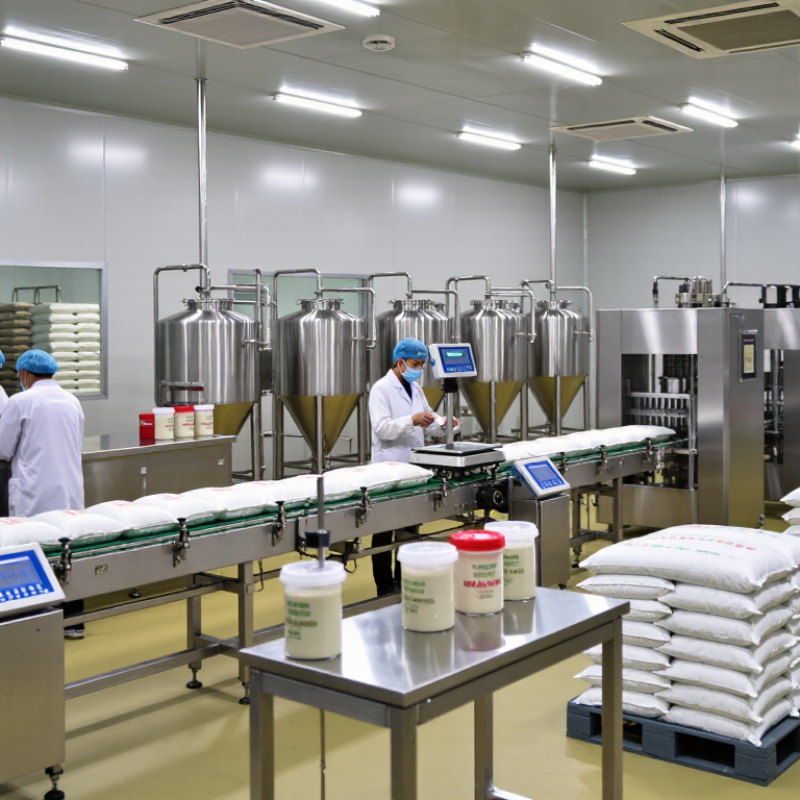
How to Evaluate Plant Protein Suppliers for Global Buyers?

Define Your Plant Protein Sourcing Requirements

Before evaluating plant protein suppliers, global buyers should define exactly what they need. A clear requirement prevents attractive samples from creating expensive problems later. Specify the protein source, such as pea, rice, soy, or fava bean. Then set the required protein percentage, particle size, color, flavor, and solubility. These details affect formulation, processing, and consumer acceptance.

Your application should guide the specification. A protein for a ready-to-drink beverage may need fast dispersion and a mild taste. A bakery ingredient may require heat stability and water absorption. Define packaging size, pallet configuration, target annual volume, and preferred delivery schedule. Include acceptable origin countries and documentation needs. Certificates, allergen statements, specification sheets, batch records, and traceability evidence should be available before commercial approval.

Do not ignore practical constraints. Confirm minimum order quantities, production capacity, sample timelines, and shelf-life expectations. Ask how the supplier manages seasonal raw material changes. A polished sample is not enough. Request several batches when consistency matters. I have seen buyers focus heavily on price, then discover that freight costs or poor dispersibility changed the calculation. That mistake is easy to make. Requirements should also include testing methods and acceptance limits, although these limits may need revision after pilot trials. Leave room for learning, but do not leave critical quality points vague.

Assess Supplier Qualifications and Production Capacity

A practical supplier review starts with verified qualifications, not a polished presentation. Check the company’s registration, food safety certificates, export records, and quality management procedures. Confirm that certificates match the actual production site and remain valid. Ask for recent audit reports, allergen-control plans, sanitation records, and batch traceability examples. A reliable supplier should explain how one lot can be traced from raw material intake to final shipment.

Production capacity needs evidence. Request the number of processing lines, monthly output, storage volume, and current utilization rate. Compare these figures with your forecast, including seasonal demand. A factory claiming 2,000 tons monthly may operate near full capacity already. That creates delays during peak periods. Ask for recent production schedules, average lead times, and records from comparable orders. If possible, inspect the facility or arrange a live video audit. Look at weighing areas, packaging rooms, testing equipment, and warehouse conditions.

Do not rely on capacity figures alone. Evaluate backup equipment, maintenance routines, workforce training, and alternative raw material sources. Ask how the supplier handles rejected batches, unexpected shortages, or specification changes. A strong certificate is not proof of perfect performance. I would still request trial batches and independent laboratory testing. Small inconsistencies can expose weak process control. Supplier evaluation is not a one-time task. Recheck performance through delivery accuracy, complaint response, and test results over several shipments.

Verify Product Quality, Safety, and Regulatory Compliance

Global buyers should treat plant protein verification as a documented investigation, not a certificate-collection exercise. The WHO’s Estimates of the Global Burden of Foodborne Diseases reports 600 million illnesses and 420,000 deaths each year from contaminated food. A supplier must therefore provide recent, lot-specific testing for Salmonella, E. coli, yeast, mold, heavy metals, pesticides, and mycotoxins. Generic certificates are weak evidence.

Check the production site, not only the trading office. Request the latest ISO 22000 or equivalent food-safety certificate, audit findings, corrective-action records, allergen controls, and sanitation procedures. Compare the certificate scope with the actual protein, factory address, and manufacturing process. Ask for a chain-of-custody record from raw material intake to sealed shipment. Small gaps matter. A missing lot number can break traceability.

Regulatory compliance also depends on the destination market. Review specifications for protein content, amino-acid claims, allergens, additives, labeling, and novel-food status with qualified local experts. The FAO/WHO Codex General Principles of Food Hygiene recommends risk-based controls, validation, monitoring, and documented verification. Suppliers should explain how they meet those controls, not merely quote Codex. The 2024 State of the Industry report from the Good Food Institute shows continued growth in plant-based food categories, increasing pressure on supply consistency. Yet growth can expose weak controls. Re-test high-risk lots independently before release, even when the supplier appears reliable. Mistakes happen. Your approval process should allow for them.

Compare Pricing, Logistics, and Supply Chain Reliability

Global buyers should compare plant protein suppliers by landed cost, not only the quoted price per kilogram. A low offer may exclude freight, insurance, duties, packaging, or testing fees. Request pricing at identical protein levels and specifications. Check minimum order quantities, payment terms, and price validity periods. Small details matter.

Ask suppliers to separate production lead time from shipping time. A reliable quotation should identify the loading port, transport method, booking process, and expected delivery window. Review storage requirements carefully, including humidity control and pallet protection. Delays often begin with unclear handover points. Freight savings can disappear after one missed vessel.

Supply chain reliability needs evidence, not confident promises. Examine recent delivery records, batch consistency, certificate accuracy, and traceability from raw material to finished bags. Ask how the supplier handles crop shortages, equipment failure, or rejected batches. A second production site can reduce risk, but it does not guarantee continuity. No spreadsheet captures every disruption. Buyers should test communication during a small trial order before committing to annual volume. In practice, response speed during a minor problem often reveals more than a polished factory presentation. Some evaluations still overvalue price and undervalue recovery planning. That mistake deserves review.

Evaluate Sustainability, Communication, and Long-Term Partnership Potential

When evaluating plant protein suppliers, global buyers should look beyond certificates and quoted prices. Sustainability must be visible in daily operations. Ask for farm-origin records, water-use data, energy sources, packaging details, and waste-handling procedures. Request recent audit findings, not only polished summaries. During factory visits, observe storage conditions, batch labeling, and how workers explain corrective actions. These details often reveal whether sustainability is practiced or simply presented.

Communication deserves equal attention. Measure response speed, technical clarity, and willingness to disclose limitations. A dependable supplier should explain delays early and provide evidence when specifications change. One missed email is minor; repeated vague answers can disrupt production planning. Long-term potential depends on shared improvement. Discuss forecast sharing, quality review meetings, contingency plans, and investment in better processing. I have found that flexible suppliers handle unexpected harvest variation more constructively. Still, no evaluation is perfect. A supplier may perform well during an audit and struggle during peak demand.

Tips: Compare at least three suppliers using the same questions and scoring criteria. Start with a controlled trial order before making larger commitments. Check whether sustainability data remains consistent across documents, interviews, and site observations. Keep written records of promises, corrective actions, and review dates. A strong partnership should feel transparent, responsive, and practical—not flawless.

FAQS

What should buyers define before contacting plant protein suppliers?

Specify the protein source, protein percentage, particle size, color, flavor, and solubility. A beverage powder may need quick dispersion and a mild taste. A bakery ingredient may need heat stability and strong water absorption. Also define packaging, pallet layout, annual volume, delivery timing, and acceptable origins. Do not leave critical limits vague.

What documents should a supplier provide before approval?

Request certificates, allergen statements, specification sheets, batch records, and traceability evidence. Ask for valid documents matching the actual production site. Recent audit reports and sanitation records are useful. A document can look complete. Still, verify it.

How can buyers check whether a supplier has enough production capacity?

Ask about processing lines, monthly output, storage space, and current utilization. Compare capacity with your forecast and seasonal demand. A factory producing heavily near full capacity may face peak-season delays. Request recent schedules, average lead times, and comparable order records. Numbers alone are not enough.

Should buyers inspect the supplier’s factory?

Yes, when practical. Arrange a site visit or live video audit. Observe weighing areas, packaging rooms, testing equipment, and warehouse conditions. Check batch labels and storage practices closely. I would not rely on a polished presentation alone.

How can buyers test product consistency?

Request several trial batches when consistency matters. Use independent laboratory testing for important specifications. Compare protein content, dispersibility, flavor, color, and particle size. Record every result beside the agreed acceptance limits. Small differences may become expensive later.

What questions reveal how a supplier handles problems?

Ask about rejected batches, raw material shortages, equipment failures, and specification changes. Request examples of corrective actions and response times. Discuss backup equipment, maintenance routines, staff training, and alternative raw material sources. A strong certificate does not prove perfect performance. Problems happen.

How should sustainability be evaluated?

Request farm-origin records, water-use data, energy information, packaging details, and waste-handling procedures. Compare these records with audit findings and factory observations. Look at storage conditions and batch labeling during an inspection. Ask workers how corrective actions are managed. The evidence may still be incomplete.

How can buyers compare several suppliers fairly?

Compare at least three suppliers using identical questions and scoring criteria. Evaluate quality, capacity, communication, sustainability, pricing, and delivery reliability. Begin with a controlled trial order before making a larger commitment. Keep written records of promises, actions, and review dates. It is easy to overvalue price.

What makes a plant protein supplier suitable for long-term cooperation?

The supplier should communicate clearly and report delays early. Discuss forecast sharing, quality meetings, contingency plans, and process improvements. Review delivery accuracy, complaint handling, and test results across several shipments. A supplier may perform well during an audit, then struggle during peak demand. Recheck performance regularly.

Conclusion

Learning how to evaluate plant protein suppliers begins with clearly defining your sourcing requirements, including protein type, application, specifications, volume, certifications, and target markets. Buyers should then assess each supplier’s technical qualifications, manufacturing capabilities, production capacity, quality control systems, and ability to maintain consistent supply. Product samples, testing records, traceability procedures, food safety programs, and compliance with applicable regulatory standards are essential for confirming reliability and suitability.

A complete evaluation should also compare pricing, minimum order quantities, lead times, shipping arrangements, payment terms, and contingency planning. Beyond cost, buyers should review supply chain transparency, sustainability practices, responsible sourcing, packaging options, and environmental objectives. Clear communication, responsive technical support, and a willingness to provide documentation can indicate strong partnership potential. By considering quality, capacity, compliance, logistics, sustainability, and long-term cooperation together, global buyers can make more confident and informed sourcing decisions.

Liam

Liam

Liam is a dedicated marketing professional with a profound expertise in the industry, where he excels at highlighting the unique advantages of our core products. With a keen understanding of market trends and consumer needs, Liam frequently updates our company’s professional blog, providing......