What Factors Affect Plant Protein Quality for Global Buyers?

Time:2026-08-30 Author:Mason
0%

The demand for plant proteins is rising dramatically among global buyers. This trend is driven by the growing awareness of health and sustainability. However, one crucial question remains: what factors affect plant protein quality?

Dr. Alice Chen, a leading expert in nutrition at the Global Institute of Food Sciences, states, “Understanding the nuances of plant protein quality is essential for the future of food.” She emphasizes that amino acid profiles, digestibility, and the presence of anti-nutritional factors significantly influence protein quality.

Data from the International Food Research Journal indicates that plant-based proteins vary widely in their amino acid composition. For instance, legumes are protein-rich but often low in methionine. Conversely, quinoa is a complete protein but lower in yield. These factors can complicate sourcing decisions for manufacturers. Buyers must carefully assess quality metrics to meet consumer demands. The variability in plant protein quality presents both challenges and opportunities. Addressing these complexities requires informed discussions among industry players.
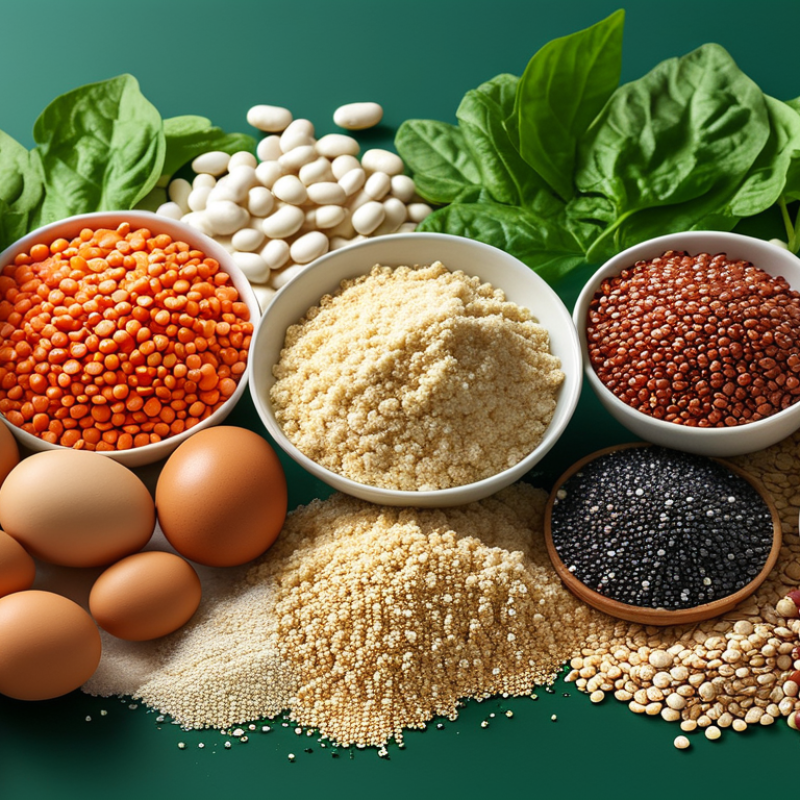
What Factors Affect Plant Protein Quality for Global Buyers?

Factors Influencing Plant Protein Quality in the Global Market

The quality of plant protein is crucial for global buyers. Various factors play a significant role in determining this quality. One key aspect is the amino acid profile. Different plants offer varying levels of essential amino acids. For instance, legumes typically provide a better balance than grains. Yet, the exact ratio can fluctuate based on cultivation methods and selection.

Growing conditions also significantly influence protein quality. Soil health, climate, and water availability directly affect nutrient content. Plants grown in nutrient-rich soils usually yield higher protein concentrations. However, poor agricultural practices can lead to diminished quality. Buyers must consider both sourcing and sustainability to ensure optimal protein standards.

Processing methods are equally important. High-temperature processing can degrade protein quality. On the other hand, gentle extraction techniques can preserve more nutrients. This creates a dilemma for producers balancing efficiency with quality. Overall, buyers need to navigate these complexities carefully. Making informed decisions can foster better nutrition for consumers while supporting sustainable agriculture.

Nutritional Composition: Essential Amino Acids and Their Importance

Essential amino acids (EAAs) play a crucial role in determining the quality of plant proteins. These compounds are fundamental for the human body, as they cannot be synthesized internally. When evaluating plant protein sources, it's essential to assess their EAA profile. Different plants offer varying amounts of these vital nutrients. For instance, legumes often provide a balanced profile but might lack some amino acids.

The digestibility of plant proteins also impacts their nutritional value. Even if a protein source is rich in EAA, it may not be easily absorbed by the body. Factors such as fiber content and anti-nutrients can hinder protein utilization. This complexity often leaves consumers confused. They struggle with finding balanced plant-based diets, leading to potential deficiencies.

Understanding amino acid composition is key for global buyers. It requires careful consideration of various sources. Some buyers might overlook the importance of combining different proteins for a complete amino acid profile. A meal comprising rice and beans, for example, achieves a higher protein quality. Buyers should engage with credible nutritionists. This will help ensure they make informed choices. This process involves ongoing reflection and adjustment for better dietary outcomes.

Processing Methods: Impact on Protein Digestibility and Bioavailability

Processing methods play a crucial role in determining the protein digestibility and bioavailability of plant proteins. For instance, data suggests that proper heat treatment can enhance the availability of amino acids. Conversely, excessive heat can lead to protein denaturation, which may hinder digestibility. A report from the Food and Agriculture Organization reveals that adequate processing can increase protein digestibility by up to 30%.

Fermentation is another method that improves plant protein quality. It helps break down anti-nutrients, which can otherwise inhibit nutrient absorption. Studies indicate that fermented plant proteins can have protein digestibility scores increased by 40%. This is significant for buyers looking to maximize the nutritional potential of plant-based products.

When sourcing plant proteins, consider the processing methods employed. Choosing products that have undergone fermentation or controlled heating can enhance protein quality. Remember that not all processing methods yield the same results. Evaluate the impact on nutritional value carefully, as some methods could be more damaging than beneficial. Prioritize transparency in processing to ensure high-quality protein sources.

Impact of Processing Methods on Plant Protein Digestibility

Environmental Factors: Soil Quality and Climate Conditions

Soil quality and climate conditions play crucial roles in determining plant protein quality. Soil impacts nutrient availability. Healthy soils rich in organic matter support better plant growth. A study by the Food and Agriculture Organization (FAO) revealed that nutrient-rich soils can increase protein content by up to 15%. However, degraded soils may lead to reduced protein levels, affecting global supply.

Climate conditions also significantly influence protein quality. Temperature and precipitation patterns directly affect plant development. For instance, high temperatures during critical growth phases can decrease protein synthesis. Research indicates that a temperature rise of just 2°C can lower protein content by approximately 10% in certain legumes. As climate change progresses, understanding these environmental factors becomes essential for global buyers seeking quality plant proteins.

The interaction between soil quality and climate is not straightforward. Improved agricultural practices can mitigate some effects of poor soil and adverse climate conditions. Yet, many regions lack the resources for such advancements. These challenges highlight the need for sustainable practices that focus on enhancing soil health and adapting to climatic changes. Addressing these issues is vital for maintaining a stable protein supply in the future.

What Factors Affect Plant Protein Quality for Global Buyers?

Environmental Factor Impact on Protein Quality Measurement Unit Optimal Range
Soil Quality Nutrient availability and microbial activity NPK levels (N: Nitrogen, P: Phosphorus, K: Potassium) N: 40-50 mg/kg, P: 15-25 mg/kg, K: 80-100 mg/kg
pH Level Affects nutrient solubility Soil pH 6.0 - 7.5
Climate Conditions Temperature and humidity influence growth periods Temperature (°C) 20 - 25
Water Availability Essential for photosynthesis and nutrient transport Soil moisture (% saturation) 25% - 75%
Sunlight Exposure Influences growth rate and protein synthesis Sunlight hours per day 6 - 8 hours

Consumer Preferences: The Role of Sustainability and Ethics in Selection

Consumer preferences are shifting towards sustainability and ethics in food choices. This trend significantly influences the selection of plant proteins. Buyers frequently seek products aligned with their values. They prioritize environmentally friendly sourcing and ethical practices. For many, the source of plant protein matters. They want transparency about production methods and supply chains.

Sustainable farming practices are critical for enhancing plant protein quality. Organic methods often reduce harmful pesticide use. This approach appeals to health-conscious consumers. Additionally, many buyers advocate for fair labor practices. Ethical sourcing ensures farmers earn fair wages. This increases the trust consumers have in the products they choose.

Despite a growing focus on sustainability, challenges remain. Some producers may struggle to balance cost and ethical practices. Consumers often need to weigh their values against price and convenience. This complexity can lead to conflicting decisions. Ultimately, the choice of plant protein reflects a compromise between personal beliefs and practical considerations.

FAQS

: How does heat treatment affect protein digestibility?

: Proper heat treatment can enhance amino acid availability, but excessive heat may lead to protein denaturation, reducing digestibility.

What is the benefit of fermentation for plant proteins?

Fermentation breaks down anti-nutrients, allowing for better nutrient absorption and can increase protein digestibility scores by 40%.

Why is soil quality important for plant protein?

Healthy, nutrient-rich soils support better plant growth and can increase protein content by up to 15%.

How do climate conditions impact protein quality?

Temperature and precipitation directly affect plant development. A rise of 2°C could lower protein content in some legumes by about 10%.

What should consumers consider when sourcing plant proteins?

They should evaluate processing methods, focusing on those involving fermentation or controlled heating for better protein quality.

How are consumer preferences changing regarding plant proteins?

More consumers seek sustainably sourced and ethically produced plant proteins, valuing transparency in production methods.

What challenges do consumers face when selecting ethical plant proteins?

Consumers often navigate the balance between their values, cost, and convenience, which can lead to conflicting decisions.

Why is sustainable farming important?

Sustainable farming reduces pesticide use and supports fair labor practices, enhancing both health and trust in plant protein products.

What role does processing transparency play in protein sourcing?

Transparency in processing helps consumers make informed choices about protein quality and aligns with their ethical values.

Are all processing methods beneficial for plant proteins?

No, not all processing methods yield the same results. Some might be more damaging than beneficial to nutritional value.

Conclusion

Understanding what factors affect plant protein quality is crucial for global buyers seeking to meet nutritional needs and consumer preferences. The nutritional composition of plant proteins, particularly the presence of essential amino acids, plays a vital role in determining their overall quality. Additionally, processing methods significantly impact protein digestibility and bioavailability, influencing how effectively these proteins can be utilized by the body.

Environmental factors such as soil quality and climate conditions also contribute to plant protein quality, affecting both yield and nutritional content. Furthermore, consumer preferences increasingly emphasize sustainability and ethical considerations in the selection of plant proteins. Overall, these combined aspects highlight the complexity of plant protein quality in the global market and the need for awareness among buyers.

Mason

Mason

Mason is a seasoned marketing professional with a deep expertise in the company's offerings and a passion for driving brand awareness. With a strong background in digital marketing strategies, he has an innate ability to connect with diverse audiences and effectively communicate product benefits.......