Choosing the right plant protein source is essential for a balanced diet. With an increasing number of options available, many people find it challenging. To understand how to choose the right plant protein source, one must consider various factors.
Different legumes, grains, and seeds have unique benefits. For example, lentils are high in fiber but lower in certain amino acids. Quinoa, on the other hand, offers a complete protein profile. It can be confusing to weigh these differences. Many people overlook these details when making choices.
Assessing nutritional content, taste, and your personal dietary needs is crucial. Seek reputable sources for this information. Learning how to choose the right plant protein source can enhance your health journey. Remember, not all proteins are created equal. Some require thoughtful combinations to meet your body's needs. Embrace this complexity, and explore various options to find what works best for you.
Understanding Plant Protein Sources: An Overview
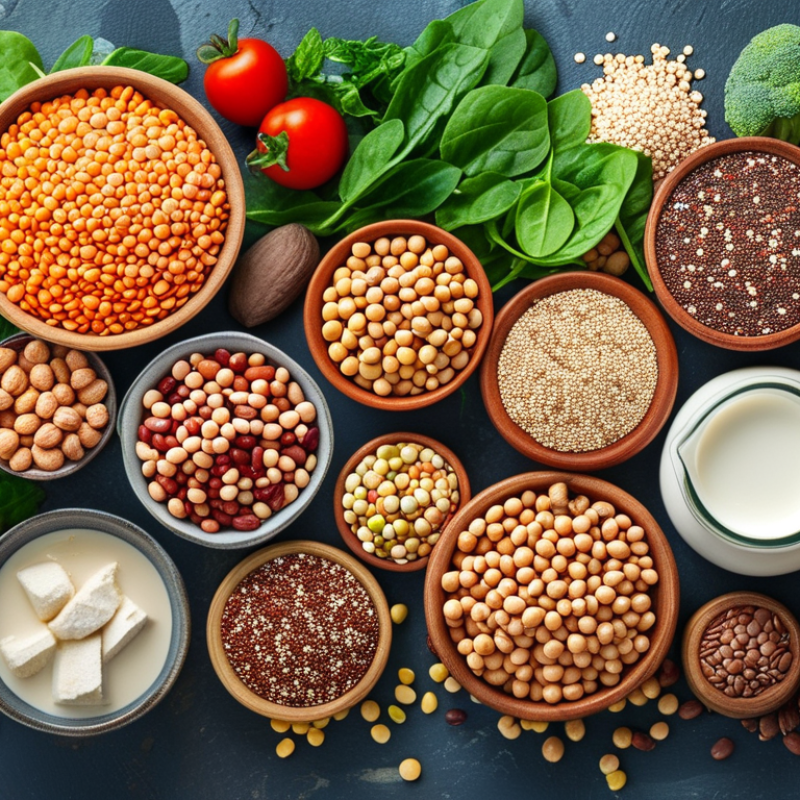
Plant-based proteins have gained significant attention in recent years. They provide a nutritious alternative to animal proteins. Various sources like legumes, nuts, and seeds are key players. A report by the World Health Organization notes that plant proteins are crucial for a balanced diet. They can aid in muscle repair and overall health.
Considering the nutritional profile is essential. For instance, lentils contain about 18 grams of protein per cooked cup. They also offer fiber and folate. Meanwhile, quinoa stands out as a complete protein, providing all nine essential amino acids. However, some plant proteins may be low in certain amino acids, which could impact muscle-building efficiency.
Choosing the right plant protein source can be overwhelming. Not everyone may know how to combine different proteins. This can lead to under-consumption of essential nutrients. Experts recommend consulting nutritional guidelines or a dietitian. This helps ensure a well-rounded intake. Balancing different plant protein sources enhances the overall health benefits.
10 Tips to Choose the Right Plant Protein Source
Evaluating Nutritional Profiles of Different Plant Proteins
Choosing the right plant protein source
requires careful evaluation of nutritional profiles. Different plant proteins vary significantly in essential amino acids,
fiber content, and micronutrients. For example, lentils are high in protein
and also offer a good amount of iron and potassium. In contrast, quinoa
is a complete protein, providing all nine essential amino acids. According to the USDA, one cup of cooked lentils contains
about 18 grams of protein and a wealth of dietary fiber.
Peas also present an excellent option, with approximately 9 grams of protein per cup.
They are low in calories and high in vitamins A and C. However, some plant proteins may lack one or more essential amino acids.
For instance, rice lacks lysine, which is crucial for muscle repair and immune function.
Dietitians from the Academy of Nutrition and Dietetics stress the importance of combining
different protein sources to ensure a well-rounded intake.
Mixing lentils with rice can enhance the overall amino acid profile.
Consideration of allergens is also vital. Some individuals may have sensitivities to
soy or gluten, which could limit their protein sources. It's important to reflect on individual dietary needs and preferences
when choosing proteins. Making informed choices leads to better nutrition and overall health.
Sourcing Sustainability: The Environmental Impact of Plant Proteins
When selecting plant protein sources, sustainability plays a crucial role. Many plant-based proteins require significant land, water, and energy. For instance, legumes like lentils are generally more sustainable than some nuts, which need more resources. Understanding the resource demands of each protein source is vital for mindful consumption.
The environmental impact of sourcing is often overlooked. The carbon footprint of transporting plant proteins can be substantial. Locally sourced options typically reduce this impact. Additionally, monocultures can deplete soil nutrients and biodiversity. Diversifying plant sources not only benefits personal health but also the ecosystem.
It's essential to examine sourcing methods deeply. Some agricultural practices harm the environment, despite being labeled "organic." Researching farming practices provides clarity. Engaging with local farmers or sustainable organizations may reveal better choices. Balancing environmental concerns with dietary needs requires thoughtful consideration and ongoing evaluation.
Allergies and Sensitivities: Choosing Safe Plant Protein Options
When selecting plant protein sources, allergies and sensitivities must be top of mind. Some individuals may react negatively to common proteins such as soy, wheat, or nuts. According to the American College of Allergy, Asthma, and Immunology, approximately 2% of adults are allergic to one or more of these proteins.
Consider alternatives like pea protein or hemp protein. These sources are less likely to trigger allergies. Pea protein is hypoallergenic and a good option for those avoiding dairy, soy, or gluten. Hemp protein is another safe choice, rich in omega-3 fatty acids. Moreover, hemp contains all nine essential amino acids, making it a complete protein source.
Keep in mind that cross-contact can occur during processing. Always check for labels indicating gluten-free or allergen-free status. The Food Allergy Research and Education organization estimates that 32 million Americans have food allergies. It's crucial to choose safe protein options to avoid potential reactions. The balance of nutrition and safety can be tricky, but with informed choices, you can find suitable plant-based proteins.
Combining Plant Proteins for a Complete Amino Acid Profile
Combining different plant protein sources can help achieve a complete amino acid profile. Many plant-based proteins lack one or more essential amino acids. For example, beans are low in methionine, while grains often lack lysine. According to the Food and Agriculture Organization (FAO), pairing these foods can provide a balanced intake.
Using legumes with grains is a common approach. A simple meal of rice and beans highlights this strategy. Such combinations can deliver all essential amino acids needed for optimal health. Research shows that a diverse diet promotes better absorption of nutrients. However, some people overlook this, leading to potential deficiencies.
Nuts and seeds can also enrich your protein intake. They offer healthy fats alongside protein, making them a nutritious choice. A report by the Journal of Nutrition indicates that incorporating a variety of plant proteins is crucial for overall well-being. Yet, accessibility and cost may limit some individuals’ options. Some may struggle to find affordable sources. Thus, understanding how to combine these proteins effectively is vital.
FAQS
: Allergies and sensitivities are important factors. Some may react to soy, wheat, or nuts.
Pea protein and hemp protein are safer options. They are less likely to trigger allergies.
Yes, pea protein is hypoallergenic. It works well for avoiding dairy, soy, or gluten.
Hemp protein is rich in omega-3 fatty acids. It contains all nine essential amino acids too.
Cross-contact can occur during processing. Always check labels for allergen-free status.
Different sources can fill amino acid gaps. Many plant proteins lack one or more essential amino acids.
Pair legumes with grains. A simple dish of rice and beans provides a balanced amino acid profile.
They provide healthy fats alongside protein. This combination supports overall nutrition.
Accessibility and cost may limit choices. Some struggle to find affordable plant protein sources.
Effective combinations help avoid deficiencies. A diverse diet supports better nutrient absorption.
Conclusion
Choosing the right plant protein source involves understanding the various options available, evaluating their nutritional profiles, and considering sustainability factors. It’s essential to have an overview of different plant proteins, such as legumes, grains, and nuts, each offering unique benefits and amino acid compositions. When assessing how to choose the right plant protein source, one should look at the protein content, essential nutrients, and environmental impacts associated with production.
Additionally, individuals must take into account any allergies or sensitivities when selecting plant proteins. Combining different sources can help achieve a complete amino acid profile, ensuring that dietary needs are met. By following these guidelines, one can effectively navigate the diverse landscape of plant protein sources to make informed choices that support both health and sustainability.

 Bolly Biology