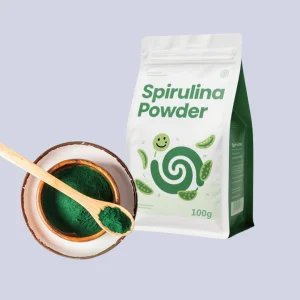
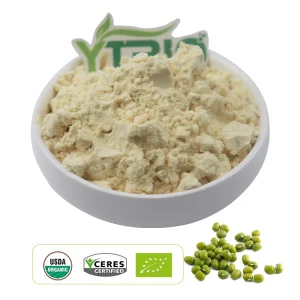
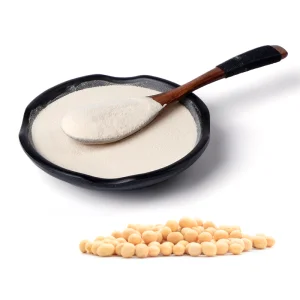
Direct factory-to-business bulk supply, engineered for enhanced functional properties, clean labeling, and premium nutritional value.
As the plant-based protein transition moves beyond soy and pea, food technology is embracing seed-derived isolates. Sesame seed protein (Sesamum indicum) stands out as a highly functional ingredient due to its unique amino acid configuration, structural versatility, and high hypoallergenic profile.
The demand for sesame seed protein is growing at an estimated CAGR of 7.2% globally. Buyers look to seed proteins to overcome clean-label texture challenges and mitigate allergen limitations typical of soy and dairy.
Rich in sulfur-containing amino acids (methionine and cysteine), sesame protein matches perfectly with pulses (like pea or fava bean protein), which are traditionally deficient in methionine. Formulators use these blends to achieve a PDCAAS score close to 1.0.
China operates some of the world's most advanced, high-throughput extraction facilities. Suppliers like Ningbo Bolly biology Co., Ltd. leverage geographical proximity to prime crop sourcing, ensuring stable supply chains and competitive cost-efficiency.
Achieving a high-purity sesame isolate requires careful extraction processes to preserve protein structure, functionality, and taste profile.
Using low-temperature mechanical cold pressing to extract primary oils without denaturing the valuable storage proteins (globulin and albumin).
Solubilizing proteins under mild alkaline conditions (pH 8.5–9.5) and precipitating at their isoelectric point (pH 4.5–5.0) to achieve an isolate purity of >80%.
Employing specific endo-peptidases to produce bioactive peptides that optimize solubility, whipping properties, and intestinal absorption rate.
Applying ultrafiltration (UF) systems to concentrate proteins while removing minerals and small-molecule bitter components, followed by spray drying.
At Ningbo Bolly biology Co., Ltd., we combine state-of-the-art centrifugal separation and ceramic membrane filtration. This approach eliminates the need for harsh solvent extractions, keeping our label clean and maintaining chemical structure integrity.
Sesame seed protein offers unique functional properties, including gelation, emulsification, and water-binding capacities that solve key product challenges.
Ideal for premium protein shakes and bars. It pairs with pea protein to provide a complete essential amino acid profile, promoting muscle recovery.
Its emulsifying capabilities help mimic the mouthfeel of dairy fats, making it suitable for plant-based milks, creamers, and fermented alternatives.
Naturally occurring sesamol and sesamolin lignans act as powerful antioxidants, protecting tissues against oxidative stress.
Hydrolyzed sesame peptides provide film-forming capabilities and deep moisture retention, supporting skin repair and hair conditioning formulations.
Ningbo Bolly biology Co., Ltd. is a leading China vegetal protein manufacturer specializing in high-quality plant protein ingredients for food and beverage applications. With a strong commitment to innovation, quality, and sustainability, the company provides comprehensive plant-based protein solutions to customers worldwide.
Leveraging advanced production technologies and strict quality management systems, Ningbo Bolly biology offers a diverse portfolio of vegetal protein ingredients, including soy protein, pea protein, rice protein, wheat protein, and other specialty plant proteins. These ingredients are widely used in functional foods, beverages, nutritional supplements, sports nutrition products, meat alternatives, dairy alternatives, bakery products, and health foods.
The company places great emphasis on research and development, continuously exploring new plant protein technologies to meet the evolving demands of the global food industry. Its experienced R&D team works closely with customers to develop customized ingredient solutions that enhance nutritional value, improve texture, optimize taste, and support clean-label product development.
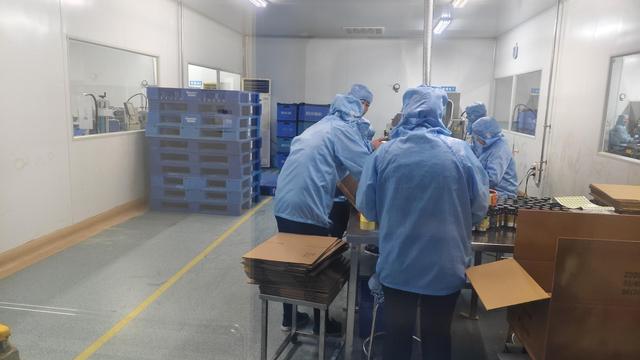
Quality and safety are at the core of Ningbo Bolly biology' operations. The company implements rigorous quality control procedures throughout the entire production process, ensuring that all products meet international standards and customer requirements. By maintaining consistent product quality and reliable supply capabilities, the company has established long-term partnerships with food manufacturers, distributors, and brand owners across multiple international markets.
Driven by customer satisfaction and sustainable development, Ningbo Bolly biology Co., Ltd. continues to deliver innovative vegetal protein solutions that help customers create healthier, more sustainable, and market-competitive food and beverage products worldwide.



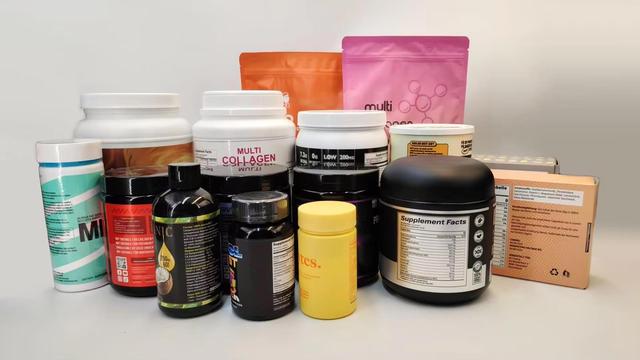
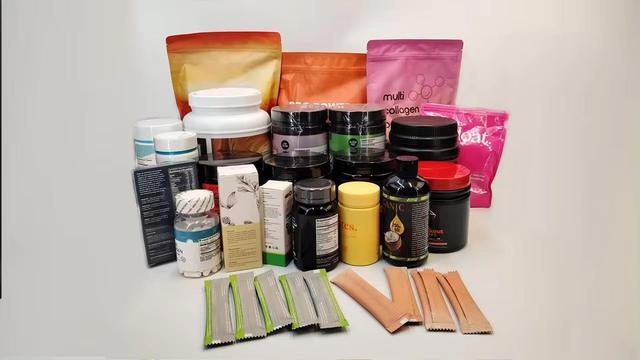
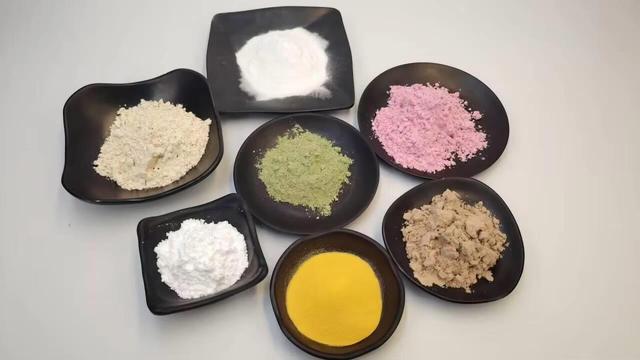

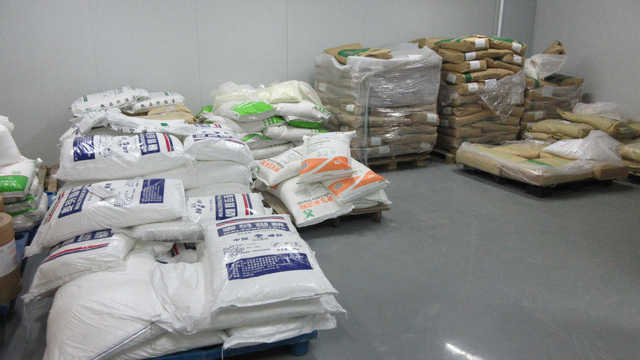

The protein market continues to evolve toward allergen-free, sustainable source profiles. Next-generation processes focus on increasing yield and functional properties.
As global warming and soil quality issues challenge traditional agriculture, oilseed proteins present a low-water-footprint alternative. Sesame crops are drought-tolerant, requiring less water than soy or almonds, making sesame seed protein a resilient choice for sustainable sourcing.
Combining sesame protein with high-lysine plant sources (such as pea, mung bean, or fava bean protein) produces a balanced amino acid profile. This approach provides target products with high nutritional value and clean-label appeal.
Get answers to technical questions about our vegetal and sesame protein ingredients.
Our standard sesame seed protein isolate offers a protein content of 80% or higher on a dry basis. We also provide customized formulations and concentrates ranging from 50% to 70% to meet specific functional requirements.
Soy protein is a complete protein, whereas sesame protein contains high levels of methionine and cysteine but is lower in lysine. Blending sesame and pulse proteins (such as fava bean or pea) creates a complete amino acid profile, achieving a PDCAAS close to 1.0.
Yes, all vegetable proteins supplied by Ningbo Bolly biology Co., Ltd. are derived from verified Non-GMO crops. While sesame is recognized as a major allergen in some regions, it serves as an excellent soy-free and gluten-free alternative for targeted formulations.
Through controlled enzymatic hydrolysis, we produce highly water-soluble sesame peptides. These keep their stability across a wide pH range, preventing sedimentation in RTD beverages, functional sports drinks, and clear liquid applications.
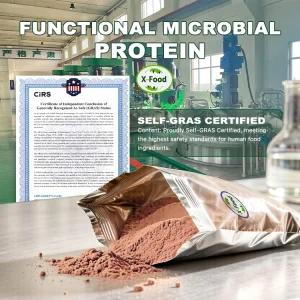
Our production lines maintain compliance with international regulatory systems, holding certifications including ISO 9001, HACCP, Halal, Kosher, and Self-GRAS. This ensures compliance for import requirements across Europe, North America, and Asia-Pacific markets.
Yes. Hydrolyzed wheat and sesame proteins are widely used in cosmetics to replace hydrolyzed keratin or collagen. Their high content of sulfur-containing amino acids helps form protective films on hair and skin, supporting structural repair.
Explore our full line of plant-derived proteins, peptide powders, and processing enzymes.
 Bolly Biology