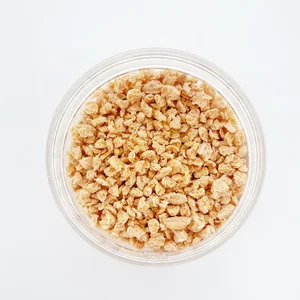
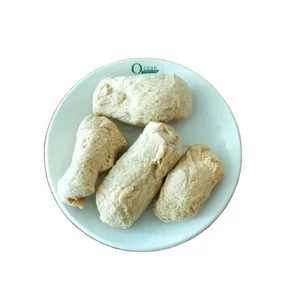
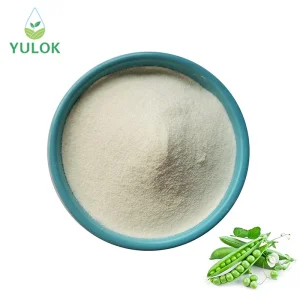
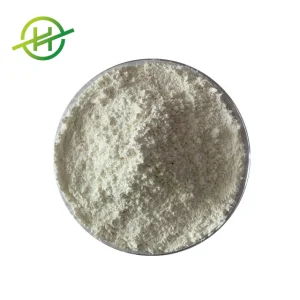
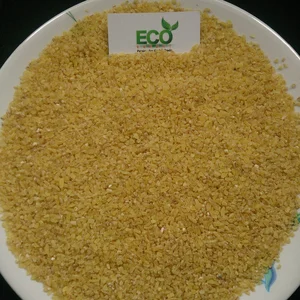
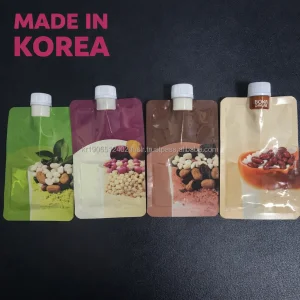
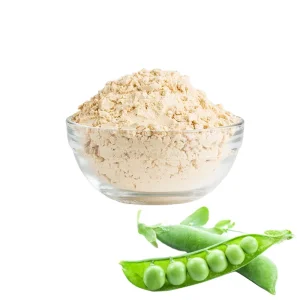
Explore our curated industrial-grade agricultural protein fractions. Select an ingredient to access tech specs, sample requests, and molecular profiles.
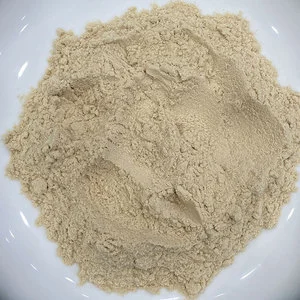
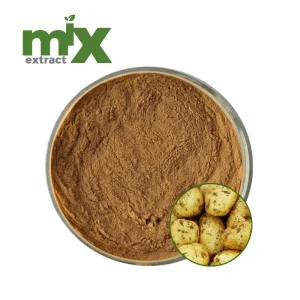
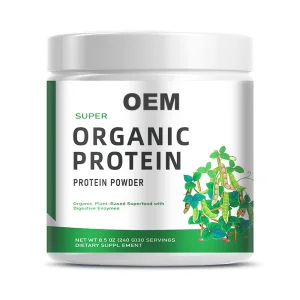
How shifts in supply chains, allergen avoidance, and clean-label regulations have positioned sunflower seeds as a leading plant-based protein source.
Unlike soy and wheat, sunflower seed protein does not fall under the major allergens designated by global food regulatory agencies. This makes it an ideal ingredient for clean-label sports nutrition formulations and allergen-sensitive retail food applications.
The global market for plant-based proteins is projected to exceed USD 23 billion by 2030, with sunflower protein registering a high CAGR. Driven by sustainability, consumers and corporate groups are moving from high-input soy towards circular cold-pressed sunflower meals.
By extracting plant-based proteins directly from residual oil cake generated during oil-crushing operations, companies minimize carbon footprints. This industrial cycle presents a sustainable strategy for major buyers.
Understanding the difference between sunflower concentrate and sunflower isolate starts at the molecular extraction level.
The industrial extraction of proteins from Helianthus annuus relies on optimizing yields while preserving functional properties such as water solubility, gelling capacity, and emulsification. Historically, sunflower protein faced a key hurdle: the presence of high levels of phenolic compounds, specifically chlorogenic acid (CGA) and caffeic acid. Under alkaline extraction conditions, these phenolics oxidation products react with protein amino groups, producing a dark green discoloration. Modern R&D lines have bypassed this issue by applying acidic washing methods and organic solvent extractions, securing clean, neutral-colored powders suitable for dairy alternatives and baking formulations.
Used primarily for concentrates (50-60% protein content). The seeds are mechanically pressed at temperatures below 50°C to extract oil. The remaining meal is ground into fine powder. This method preserves natural vitamins, minerals, and dietary fibers, making it ideal for organic products.
This process extracts proteins by adjusting pH to alkaline levels, dissolving the proteins, and using centrifugation to separate the insoluble fiber. The liquid is then adjusted to the protein's isoelectric point (around pH 4.0–4.5) to precipitate out highly purified isolate (80%+ protein) with minimal oil residues.
A specialized extraction technique using low pH levels to prevent green discoloration caused by chlorogenic acid. Combined with ultrafiltration membrane systems, this method produces premium isolate with superior digestibility, light color, and neutral taste.
An objective, analytical assessment of the world's leading industrial scale suppliers, evaluating their processing tech, output capacity, and market regions.
Ningbo Bolly biology Co., Ltd. is a leading China vegetal protein manufacturer specializing in high-quality plant protein ingredients for food and beverage applications. Leveraging advanced production technologies and strict quality management systems, Ningbo Bolly biology offers a diverse portfolio of vegetal protein ingredients, including soy protein, pea protein, rice protein, wheat protein, and other specialty plant proteins.
Austrade is a pioneer in organic, non-GMO sunflower protein concentrates. Their products feature low levels of anti-nutritional factors and are widely utilized in European nutrition matrices, offering stable gelling properties and clean profiles for bulk ingredients supply.
Strategically positioned in the heart of Europe’s sunflower agricultural belt, SunPro processes vast quantities of locally grown sunflower seeds. Their proprietary extraction process produces high-protein concentrates with balanced amino acid profiles, low lipids, and pleasant flavor.
Ukraine has historically been the world's top sunflower seed producer. Agro-Lig utilizes this abundance, supplying industrial clients worldwide. Their products are valued for their solubility, natural fiber matrix, and cost efficiency in mass production.
Bioriginal specializes in custom plant-based formulations, combining sunflower protein with other seeds to optimize digestibility. They focus on providing the nutritional industry with clean-label, ready-to-use plant protein blends.
ET Chem focuses on high-purity protein isolates (75-80%) extracted under strict quality standards. Their advanced processing equipment removes bitterness and green color, making it suitable for clean-label food applications.
Allgreen Impex is a fast-growing exporter of agricultural derivatives, providing cost-effective sunflower meal and protein concentrates. They supply diverse food manufacturers seeking functional ingredients.
Naturz Organics provides high-quality plant proteins with a focus on supply chain transparency. Their organic sunflower protein is cold-pressed and milled under strict regulations to ensure chemical-free, natural powders.
Clearspring primarily serves the organic food industry, offering cold-pressed sunflower protein powder with high fiber content. They focus on supplying the retail health sector with high-quality organic ingredients.
Topnutri offers organic and conventional sunflower proteins processed using low-temperature technology. They provide consistent quality, reliable logistics, and custom packaging sizes for food manufacturers.
A direct comparison of sunflower protein against other plant-based options highlights its nutritional value and functional advantages.
| Functional Property | Sunflower Protein (Isolate) | Pea Protein (Isolate) | Soy Protein (Isolate) | Wheat Gluten |
|---|---|---|---|---|
| Protein Content (dry basis) | 80% - 85% | 80% - 85% | 90% - 92% | 75% - 80% |
| Allergen Declaration | Not required (Allergen-free) | Not required (Low-allergen) | Required (Major Allergen) | Required (Contains Gluten) |
| Digestibility (PDCAAS) | 0.65 - 0.70 | 0.78 - 0.82 | 0.98 - 1.00 | 0.25 - 0.35 |
| Flavor Profile | Mild, nutty, neutral | Grassy, earthy, distinct pea taste | Beany, astringent notes | Neutral, flour-like |
| Browning Reactions (Maillard) | Excellent | Moderate | High | Low |
| Water Holding Capacity | Moderate (3-4 g/g) | High (5-6 g/g) | Very High (6-8 g/g) | Elastic/Insoluble |
While soy protein provides a higher overall protein content and PDCAAS value, sunflower protein isolate is highly valued for clean-label products due to its lack of major allergens and light flavor. Additionally, sunflower protein is rich in essential amino acids like sulfur-containing methionine and cysteine, which are typically low in legumes like pea and soy. Creating blends of pea and sunflower protein provides food formulators with a complete amino acid profile, maximizing nutritional value and functional performance.
Ensuring compliance with local food safety standards and certifications is critical for international plant protein sourcing.
In the EU, sunflower protein from defatted seeds is classified as food rather than a "Novel Food," simplifying regulatory approval. However, compliance with strict EU limits on pesticide residues, heavy metals, and PAHs is required.
For US markets, manufacturers must ensure their sunflower protein holds "Generally Recognized as Safe" (GRAS) status. This documentation confirms the ingredient is safe for use across diverse food and beverage formulations.
Global exports require certification to meet cultural and dietary standards. Top manufacturers maintain non-GMO project verifications along with Kosher and Halal audits, ensuring compliance across international markets.
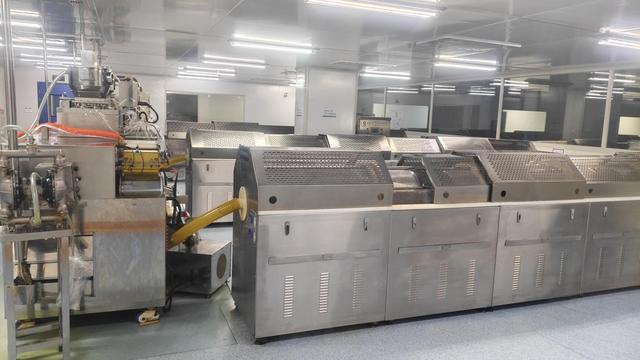
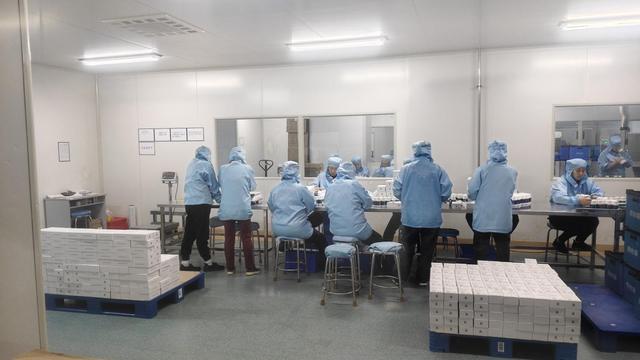
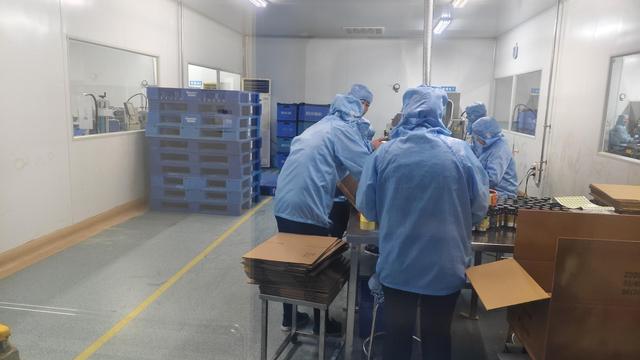
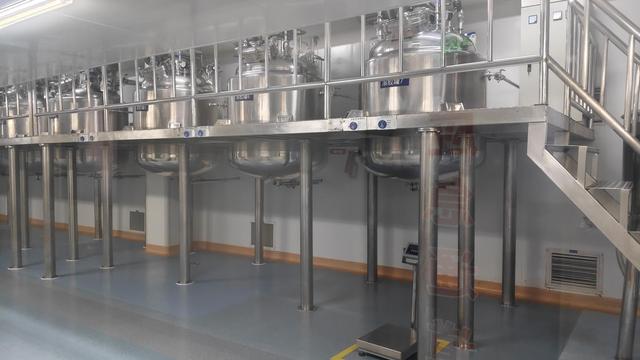
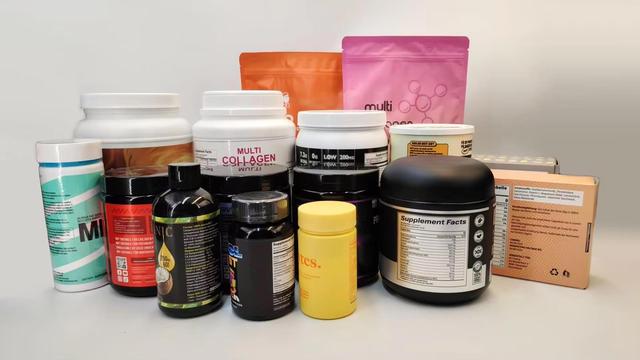
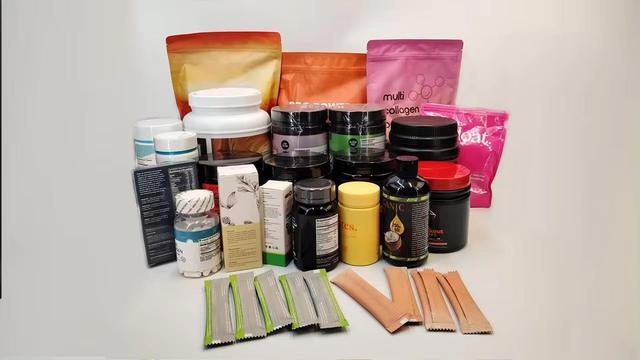
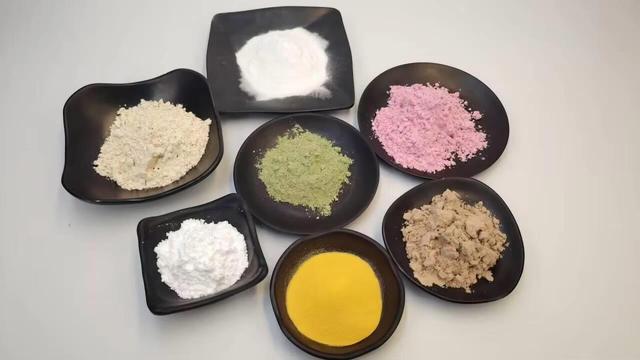
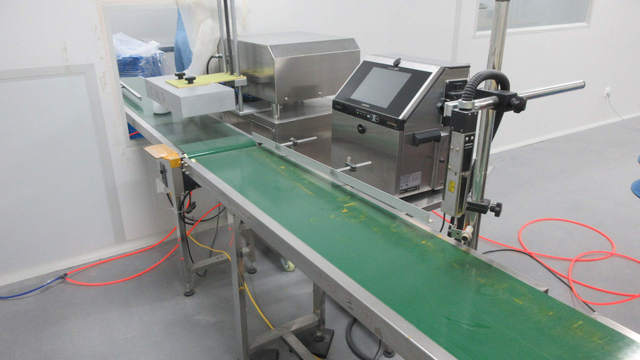
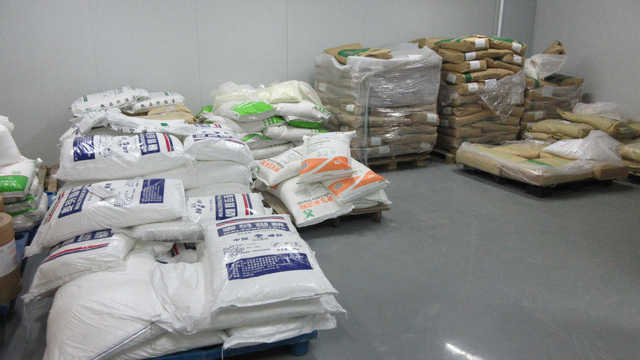
A closer look at the processing steps, quality control, and advanced facilities at our China-based plant protein production center.
Ningbo Bolly biology Co., Ltd. places great emphasis on research and development, continuously exploring new plant protein technologies to meet the evolving demands of the global food industry. Its experienced R&D team works closely with customers to develop customized ingredient solutions that enhance nutritional value, improve texture, optimize taste, and support clean-label product development. Quality and safety are at the core of Ningbo Bolly biology' operations. The company implements rigorous quality control procedures throughout the entire production process, ensuring that all products meet international standards and customer requirements. By maintaining consistent product quality and reliable supply capabilities, the company has established long-term partnerships with food manufacturers, distributors, and brand owners across multiple international markets.

Detailed technical answers to common queries regarding plant protein sourcing, formulation properties, and logistics.
This color change is caused by the reaction of chlorogenic acid (CGA), a natural antioxidant in sunflower seeds, with alkaline ingredients like baking soda (sodium bicarbonate). Under alkaline pH conditions, this reaction turns the protein a green shade. Formulators can prevent this by adding food-grade acids (such as citric acid, lemon juice, or cream of tartar) to lower the pH below 7.0, or by sourcing specialty de-phenolated sunflower isolates.
Soy protein has a PDCAAS of nearly 1.0, whereas sunflower protein is around 0.65 to 0.70 due to lower levels of the essential amino acid lysine. However, sunflower protein is rich in sulfur-containing amino acids (methionine and cysteine), which are typically low in legumes. Combining sunflower protein with lysine-rich sources like pea protein creates a balanced blend that achieves a complete amino acid score near 1.0.
Yes. Sunflower seeds are not listed among the major allergen groups (such as soy, wheat, dairy, or nuts) by the US FDA or the European Food Safety Authority. This makes it an ideal ingredient for clean-label, hypoallergenic, and gluten-free food products.
Bulk sunflower protein powders typically have a shelf life of 18 to 24 months when stored in a cool, dry warehouse (below 25°C and under 60% relative humidity) in their original, unopened packaging. Keeping the product sealed prevents moisture absorption and preserves the quality of the natural lipids.
Every shipment from Ningbo Bolly Biology is accompanied by a Certificate of Analysis (CoA) documenting key parameters, including protein assay levels, moisture content, ash, particle size distribution, and heavy metal and microbiological tests. Additional paperwork, such as Phytosanitary certificates, Non-GMO declarations, and organic verification, is provided based on regional import requirements.
Complete your formulations with our range of plant proteins, extracts, and complementary ingredients designed for the global food industry.
 Bolly Biology