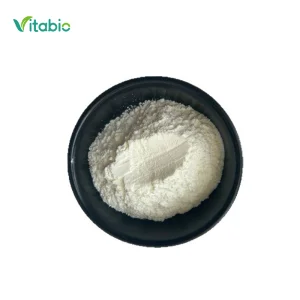
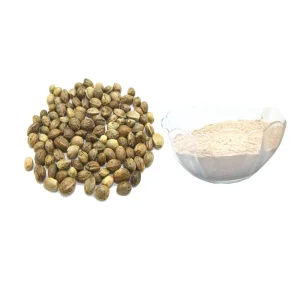
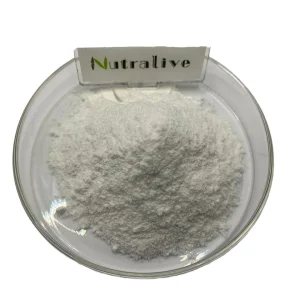
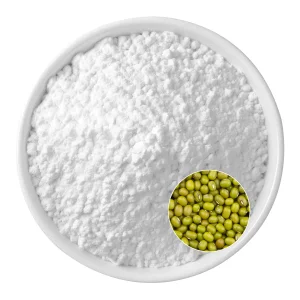
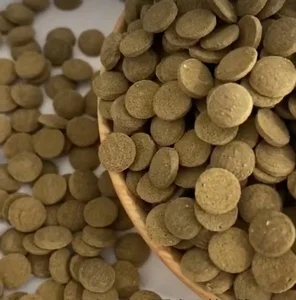
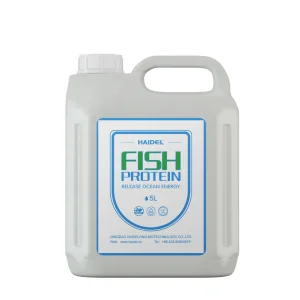
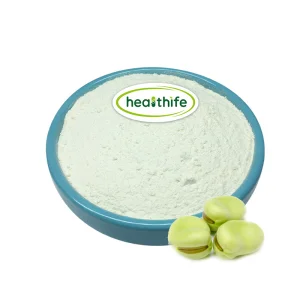
Explore our core plant-based protein lineup designed for clean-label, high-performance nutritional applications globally.

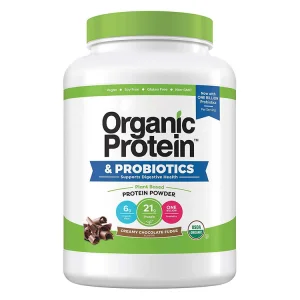
The global plant-based protein sector is undergoing a massive shift. As consumers push beyond soy and gluten due to allergy concerns, clean-label formulation has become the primary benchmark. High-purity protein extracted from raw materials like tapioca (cassava), mung beans, and oats has surged in demand.
With unique functional attributes including low viscosity, high solubility, allergen-free composition, and exceptionally neutral taste profiles, tapioca protein serves as an ideal structural partner for sports nutrition, clinical formulas, and dairy alternatives.
Unlike soy or pea proteins which frequently impart grassy notes and bitter off-flavors, tapioca-based extracts and peptide complexes deliver a smooth mouthfeel without requiring heavy taste-masking agents.
Critical Industrial Solutions Addressed:
A comprehensive analysis of leading global suppliers delivering clean-label plant protein products, highlighting manufacturing capabilities and strategic specialties.
Ningbo Bolly Biology Co., Ltd. is a leading China vegetal protein manufacturer specializing in high-quality plant protein ingredients for global food and beverage applications. Utilizing advanced isolation and enzymatic hydrolysis platforms, the company provides comprehensive plant-based protein solutions. Their diverse portfolio includes soy, pea, rice, oat, mung bean, fava bean, and customized functional starch proteins designed to satisfy clean-label and allergen-free standards.
By maintaining rigorous ISO, Halal, and Non-GMO verification protocols throughout their supply chain, Ningbo Bolly biology ensures reliable supply capabilities and consistent quality control, establishing long-term partnerships with brand owners and distributors across North America, Europe, and Asia.
Cargill operates as a premier multi-national agricultural refinery producing high-functionality starches, texture systems, and plant-derived proteins. Leveraging their proprietary global milling networks and advanced starch processing technology, Cargill supplies modified and native starch-proteins. These products are engineered to improve emulsion stability and water retention in heavy-processing industrial bakery and savory systems.
Recognized globally for ingredient solutions, Ingredion leads the clean-label transition through starch modification and protein extraction. By utilizing non-GMO cassava crops sourced globally, Ingredion produces functional flours and texturizers that deliver clean taste profiles, serving as critical binders in allergen-free plant-based meats and dressings.
Roquette is a global pioneer in plant-based proteins and pharmaceutical excipients. Through extensive biorefinery innovation, Roquette focuses on micro-filtration extraction lines. This allows them to produce highly functional plant isolates from yellow peas, corn, and root crops, securing consistent quality parameters for clinical nutrition brands.
Tate & Lyle provides structural solutions focused on sugar reduction and mouthfeel optimization. Utilizing specialized cassava-root starch extraction pipelines, they manufacture highly digestible fiber and texturizing matrices that aid in mouthfeel simulation for lower-calorie dairy and beverage products.
As Germany’s largest producer of starch products, Emsland Group manufactures ingredients from raw materials like potatoes, peas, and root tubers. Their advanced processing lines optimize gel strength and thermal stability, serving the meat processing, pet food, and technical food preparation industries.
ADM is a global leader in human and animal nutrition, managing complex supply chains to deliver diverse plant-based ingredients. Through active research in clean-label soy alternative matrices, ADM processes various plant-based starches and specialty protein isolates to provide structural integrity to alternative meats.
Beneo focuses on developing physiological and technological ingredients that support balanced metabolic profiles. By refining high-purity rice and root-based starches, Beneo assists infant formula and clinical food developers in meeting strict hypoallergenic and digestive tolerance parameters.
AGRANA specializes in the industrial refining of corn, wheat, potato, and organic-certified root starches. Operating advanced processing units, they produce organic-certified texturizers and clean-label thickening agents designed to withstand high shear forces during sterilization and packaging.
Royal Avebe is an international cooperative focused on extracting starches and high-value proteins from potatoes and other root vegetables. Their extraction technologies preserve protein functionality, providing the food industry with gelling agents, foam stabilizers, and clean-label texture modifiers that replace animal proteins.
A look at the enzymatic separation pathways and purification steps used to isolate protein from cassava roots.
The raw cassava pulp undergo alpha-amylase digestion. This process hydrolyzes the complex amylose and amylopectin matrices into soluble dextrins while keeping the protein structures intact.
Decanter centrifuges separate the liquid protein-rich phase from the insoluble fibers. Multiple washing cycles help minimize total starch levels to achieve isolate status.
Gentle low-temperature spray drying preserves the native protein configuration. This step helps secure high solubility indexes and clean flavor performance in liquid applications.
Exporting plant proteins globally requires meeting complex compliance frameworks. Manufacturers must verify safety standards across different regions, including:
Ningbo Bolly Biology ensures supply chain traceablity by monitoring raw material sourcing, helping global brands maintain production continuity and comply with local standards.


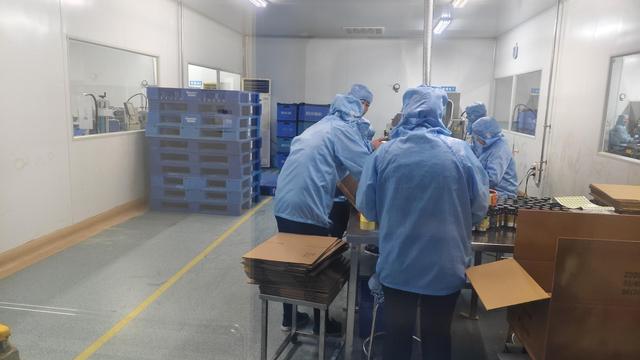

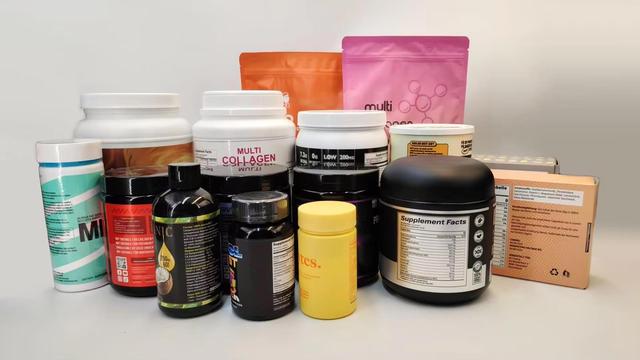

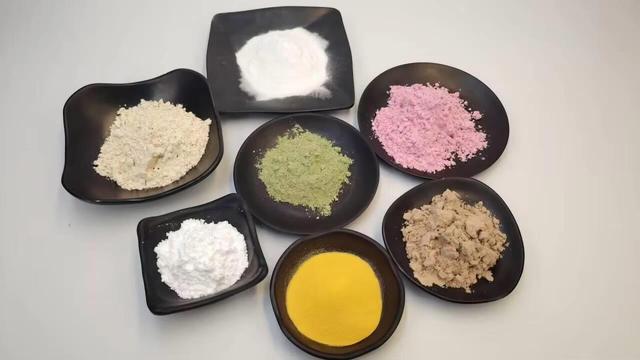

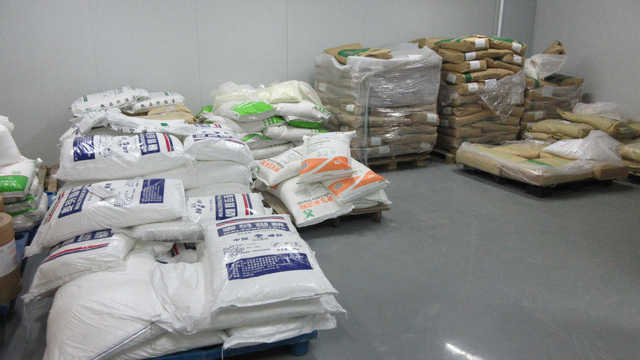

How plant proteins solve texture and nutritional challenges across different consumer food sectors.
Starch-derived proteins are used to improve emulsification in oat milks and vegan cheeses, helping to prevent phase separation and oil syneresis during pasteurization without affecting the product's flavor profile.
Because it is naturally free from common allergens like gluten, soy, dairy, and nuts, tapioca protein provides a reliable option for infant nutrition products targeting sensitive digestive systems.
Combining starch-derived peptides with rice or pea proteins helps create complete amino acid profiles. This integration also helps improve powder solubility and prevents protein bars from hardening over their shelf life.
Technical answers to common questions about sourcing, quality, and formulating with plant-based proteins.
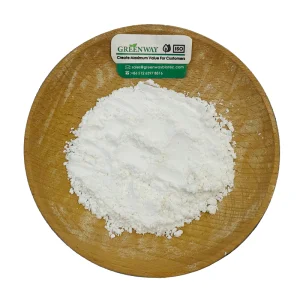
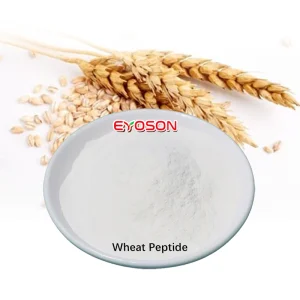
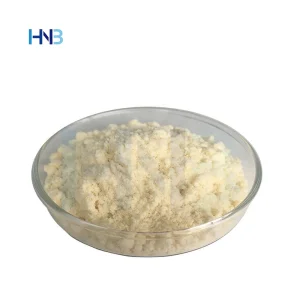
Explore our complete plant-based protein selections designed for professional food manufacturing, health supplements, and technical applications.

 Bolly Biology