Optimized plant protein isolates engineered for local beverage, meat alternative, and functional food manufacturing hubs in Manila.
A comprehensive analysis of Metro Manila's rapidly expanding alternative protein landscape, infrastructure pipelines, and plant-based commercial hubs.
Metro Manila, as the economic core of the Philippines, is undergoing a profound structural shift in its food processing and cosmetics manufacturing sectors. Driven by rising domestic consumer awareness of health, sustainability, and food security, alternative proteins are transitioning from niche retail products to critical industrial feedstocks. Historically reliant on traditional agricultural imports, major industrial zones across Cavite, Laguna, Batangas, Rizal, and Quezon (CALABARZON) are actively seeking advanced protein formulations, including high-solubility wheat peptides and emerging microalgae protein fractions.
The localization of plant protein supply chains within Manila's manufacturing corridors offers significant advantages. By utilizing hydrolyzed wheat proteins and pea isolates, local food technologists can design high-yield, nutritious alternatives that meet the unique texture and taste requirements of Southeast Asian consumers. This industrial development is highly aligned with the Philippine Government's agricultural modernization initiatives and national health drives, positioning Manila as an emerging hub for alternative protein research and development within the ASEAN region.
"The integration of advanced functional plant proteins is no longer just a sustainable initiative—it is a critical supply-chain hedge against global protein volatility for the food and cosmetic manufacturing sectors in Manila."
In addition to food applications, Manila's personal care and cosmetic manufacturing industry has experienced unprecedented demand for bio-compatible raw ingredients. Hydrolyzed wheat protein, valued for its exceptional moisture-binding properties and hair follicle repair characteristics, has become a staple formulation ingredient in Quezon City and Pasig manufacturing plants. Simultaneously, technical research into microalgae (Chlorella and Spirulina) cultivation models along coastal Luzon points toward a future where marine-based proteins complement land-based wheat and pea proteins in creating high-value formulations.
Addressing global food security, supply-chain resilience, and carbon mitigation through optimized bio-refining.
On a macro-industrial scale, the reliance on traditional animal-based agriculture poses severe threats to carbon neutrality targets, land utilization, and water resources. The cultivation of microalgae and the processing of cereal-based proteins, such as wheat gluten, represent highly efficient avenues for high-density protein yield. Microalgae protein factories consume up to 90% less land and fresh water than beef production, operating as closed-loop systems capable of utilizing industrial CO2 as a carbon source for photosynthesis.
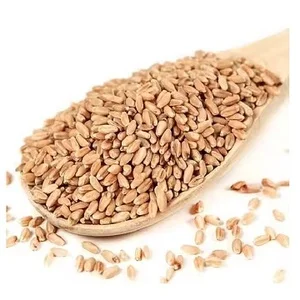
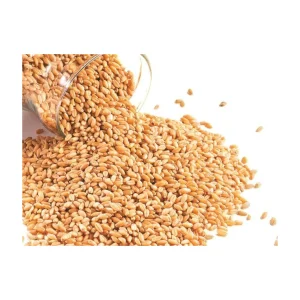
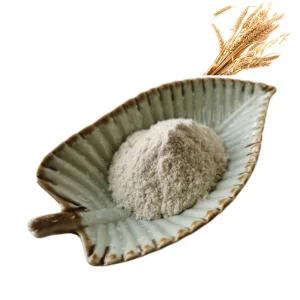
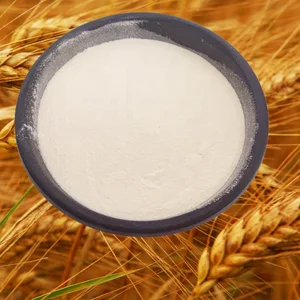
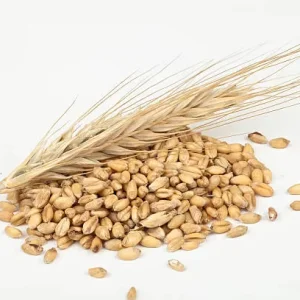
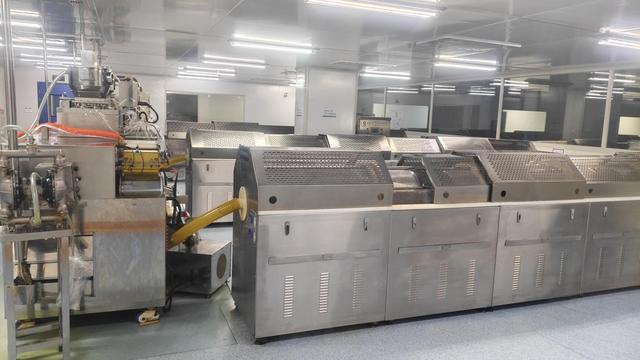
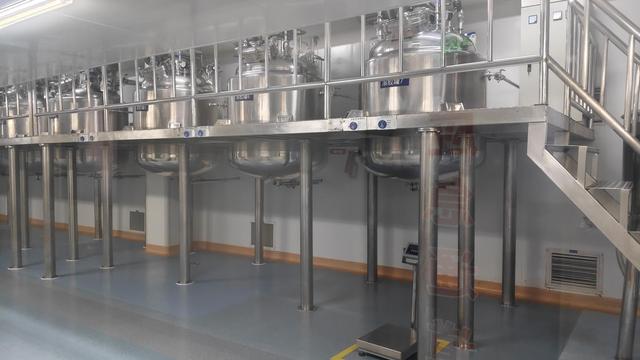
To implement these macro solutions, food manufacturers require scalable, highly functional ingredients that replicate the structural properties of animal proteins. Ningbo Bolly Biology addresses these industrial needs by delivering clean-label ingredients featuring optimized amino acid profiles, thermal stability, and specific gelling properties. By utilizing advanced wet-milling, enzymatic hydrolysis, and spray-drying technologies, our production facilities process wheat grains and plant proteins into highly bioavailable oligopeptides that solve functional manufacturing challenges worldwide.
| Ingredient Category | Functional Properties | Primary Industrial Applications | Key Macro Environmental Benefit |
|---|---|---|---|
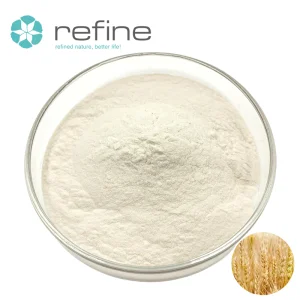
| Hydrolyzed Wheat Protein | Excellent film-forming, moisture retention, low molecular weight | Cosmetics (hair care, skincare), functional bakery, plant-based emulsifiers | Cereal crop-derived, low carbon footprint compared to animal collagen |
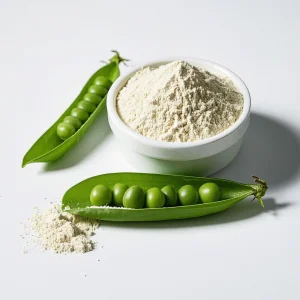
| Pea Protein Isolate | High gelation, fat-binding capacity, rich in branched-chain amino acids | Meat alternatives (burgers, sausages), sports nutrition, dairy-free beverages | Nitrogen-fixing crop, minimal fertilizer requirement, low water use |
| Algae Protein / Peptides | Complete amino acid profile, antioxidant activity, deep pigment potential | Superfoods, medical nutrition, bioactive cosmetics, aquafeed fortification | Photosynthetic carbon capture, zero arable land requirements |
Mapping the shift toward smart industrial ingredients, bio-refining innovations, and trans-continental supply networks.
The global market for alternative proteins is expected to surpass USD 290 billion by 2035. As North American and European markets mature, the Asia-Pacific region is experiencing the fastest acceleration in consumer demand and processing capacity. Industrial hubs are shifting from simple agricultural commodity trading to high-technology extraction and bio-refinery plants. This paradigm shift requires manufacturers to secure reliable partnerships with raw material processors who hold stringent quality certifications (such as ISO 9001, HACCP, Halal, and Kosher).
Furthermore, the convergence of microalgae farming and plant-based protein texturization is enabling the next generation of hybrid products. By combining the fibrous structure of texturized wheat gluten with the rich micronutrient profiles of microalgae fractions, industrial food processors can formulate meat alternatives that offer matching bite profiles and superior nutritional metrics. Ningbo Bolly Biology remains at the forefront of this movement, supplying global markets with bulk plant proteins that comply with the strictest GMO-free and clean-label standards.
Enabling seamless integration into Philippine supply chains through rigorous standards, local clearance, and Halal certification.
Our plant-based protein ingredients are manufactured to comply with Philippine FDA requirements, allowing local food and cosmetic brands to accelerate their License to Operate (LTO) and Certificate of Product Registration (CPR) approvals.
Recognizing the significance of Halal compliance within the Philippines and adjacent ASEAN markets, our manufacturing protocols are strictly audited to secure certified Halal streams, ensuring suitability for diverse consumer groups.
We maintain streamlined export logistics pathways to the Port of Manila, offering containerized bulk shipping solutions, cold-chain preservation management, and customized packaging options (20kg, 25kg, and bulk super-sacks).
How manufacturers are utilizing wheat and algae proteins to satisfy specific regional consumer and process demands.
1. Plant-Based Local Cuisine Formulations: Traditional Filipino foods, such as Longganisa, Tocino, and Sisig, rely heavily on specific fat-to-protein ratios and texture structures. Using texturized wheat protein combined with high-purity pea protein isolates allows local manufacturers to recreate these classic profiles with 100% plant-based inputs, meeting the tastes of local consumers while offering a low-fat alternative.
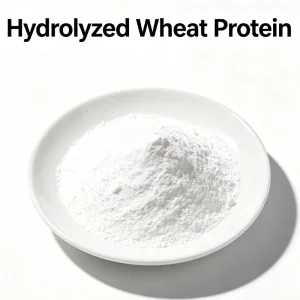
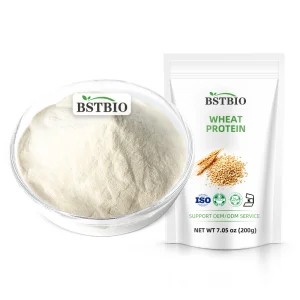
2. Tropical-Grade Personal Care & Hair Treatment: The humid climate in Metro Manila drives demand for hair care products that prevent frizz and retain moisture. Cosmetic manufacturing hubs in Quezon City incorporate our low-molecular-weight hydrolyzed wheat protein powder to formulate intensive conditioners and hair repair serums, utilizing its natural film-forming properties to protect hair from humidity and heat stress.
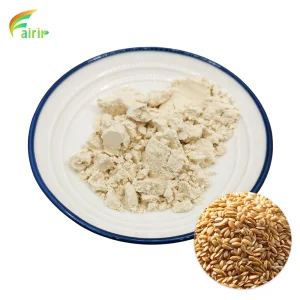
3. High-Protein Baking & Pan de Sal Fortification: As nutritional enrichment campaigns gain traction across the Philippines, industrial bakeries are fortifying staple products like Pan de Sal. Integrating wheat protein isolates and wheat germ peptides increases protein density without compromising crumb texture, elasticity, or oven rise.
Our commitment to continuous innovation, advanced extraction processes, and next-generation protein research.
Scaling sub-1000 Dalton peptide fractions of hydrolyzed wheat protein for ultra-high solubility in acidic beverages and clear cosmetic formulations.
Commercializing co-extrusion methods that merge microalgae biomass with wheat gluten matrices to deliver seafood-grade plant-based analogs with high Omega-3 profiles.
Eliminating chemical processing agents entirely, shifting to water-based physical isolation and closed-loop enzyme loop recovery for zero-waste manufacturing.
Direct B2B supply of certified wheat and vegetal proteins for food, beverage, and personal care manufacturers in Manila and beyond.
Your Trusted Partner in Premium Vegetal Protein Innovation and Global B2B Supply.
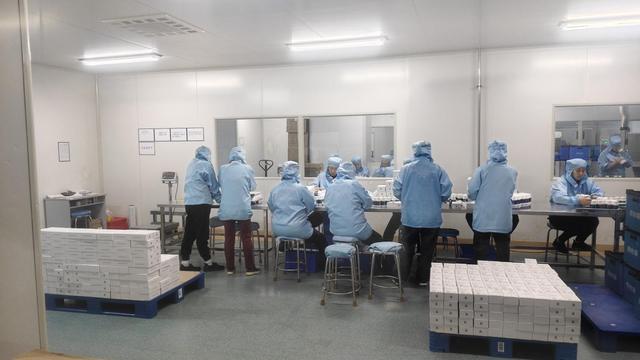
Ningbo Bolly biology Co., Ltd. is a leading China vegetal protein manufacturer specializing in high-quality plant protein ingredients for food and beverage applications. With a strong commitment to innovation, quality, and sustainability, the company provides comprehensive plant-based protein solutions to customers worldwide.
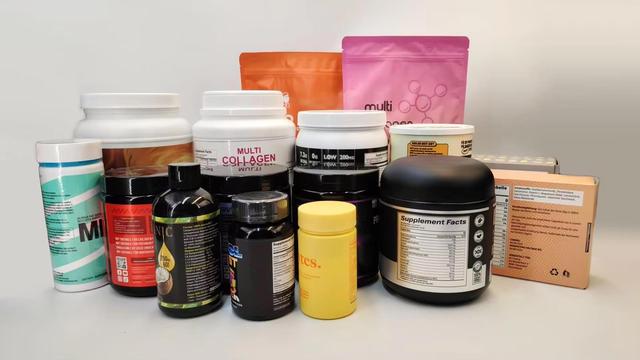
Leveraging advanced production technologies and strict quality management systems, Ningbo Bolly biology offers a diverse portfolio of vegetal protein ingredients, including soy protein, pea protein, rice protein, wheat protein, and other specialty plant proteins. These ingredients are widely used in functional foods, beverages, nutritional supplements, sports nutrition products, meat alternatives, dairy alternatives, bakery products, and health foods.
The company places great emphasis on research and development, continuously exploring new plant protein technologies to meet the evolving demands of the global food industry. Its experienced R&D team works closely with customers to develop customized ingredient solutions that enhance nutritional value, improve texture, optimize taste, and support clean-label product development.
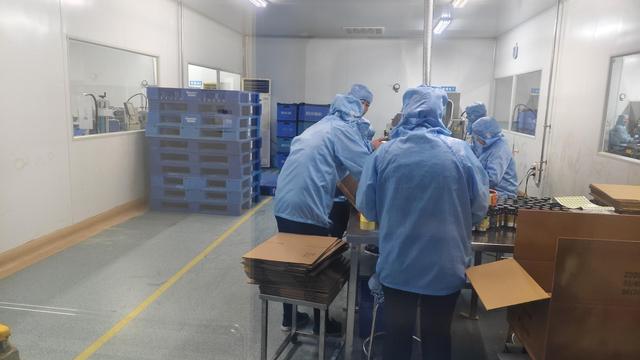
Quality and safety are at the core of Ningbo Bolly biology' operations. The company implements rigorous quality control procedures throughout the entire production process, ensuring that all products meet international standards and customer requirements. By maintaining consistent product quality and reliable supply capabilities, the company has established long-term partnerships with food manufacturers, distributors, and brand owners across multiple international markets.
Driven by customer satisfaction and sustainable development, Ningbo Bolly biology Co., Ltd. continues to deliver innovative vegetal protein solutions that help customers create healthier, more sustainable, and market-competitive food and beverage products worldwide.

Expert answers to common queries regarding plant protein sourcing, compliance, and application in Manila.
 Bolly Biology