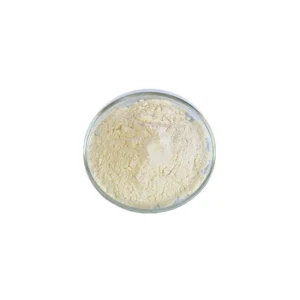
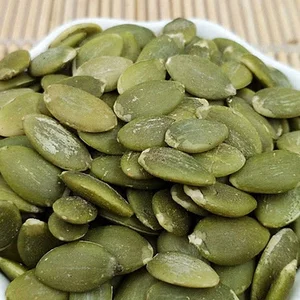
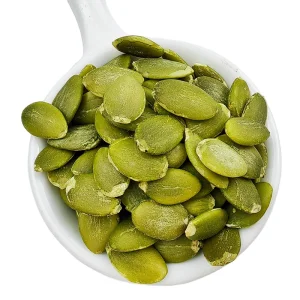
Pioneering solutions engineered to support local nutritional fortification, industrial baking, and highly bioavailable supplemental food matrices.
The global shift toward sustainable food supplies is rapidly gaining momentum in the Horn of Africa. Ethiopia, with its population of over 120 million, is positioning itself as a hub for agro-processing and food technology innovation. While traditional agricultural models rely heavily on unprocessed pulses and imported animal proteins, the modern Ethiopian industrial food sector demands highly functional, shelf-stable, and allergen-free alternatives. As a pioneer in commercial biotechnology, Ningbo Bolly biology Co., Ltd. introduces advanced fermented plant proteins to meet these specific market requirements.
Our focus on Pumpkin Seed Protein (Cucurbita pepo) and advanced bio-fermentation processes resolves a key challenge for local manufacturers: delivering highly digestible, mineral-rich, and clean-label protein isolates. This whitepaper analyzes the current commercial realities, technical roadmaps, and local optimization potentials of fermented plant-based proteins in Ethiopia.
The global plant-based protein market is projected to reach USD 36 billion by 2030, driven by clean-label demands, allergen avoidance, and carbon footprint reduction goals. Soybean and pea protein isolates have historically dominated the market. However, anti-nutritional issues, GMO concerns, and allergen labelling laws have forced global food scientists to seek alternatives like pumpkin seed, hemp, and chickpea proteins.
Bio-fermentation has emerged as the definitive processing standard to improve the sensory characteristics of these botanicals. Fermentation breaks down volatile hexanals (which cause "beany" off-flavors) and hydrolyzes complex polypeptides into highly soluble, short-chain bioactive peptides.
Ethiopia's food processing sector is transitioning from raw primary agricultural commodities to highly engineered, nutrient-dense products. Key industrial hubs, such as the Hawassa Industrial Park and Bole Lemi, are actively expanding their processing capacities for dry beverages, instant foods, therapeutic nutrition, and infant formulas.
Local manufacturers face several challenges when importing plant proteins: high shipping costs, import duty complexities, and varying functional performance when blended with local grains such as Tef (Eragrostis tef), Sorghum, and Barley. Standardizing high-quality imports is essential to ensuring stable production lines.
"By integrating fermented plant proteins into local supply chains, Ethiopian food processors can bypass the functional limitations of raw pulses, offering high-solubility solutions that seamlessly blend into traditional and contemporary diets alike."
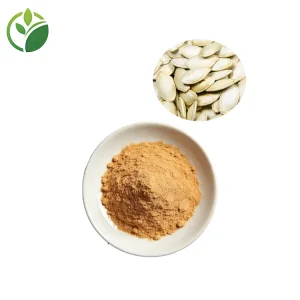
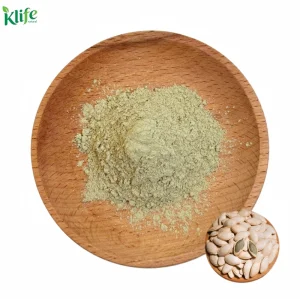
Pumpkin seed protein has transitioned from a niche organic ingredient to a highly functional industrial superfood. Derived from the nutrient-dense seeds of Cucurbita pepo, our cold-pressed and enzymatic/fermentation refined processing ensures a high concentration of protein (60% to 70% active assay) along with an impressive micro-nutrient profile.
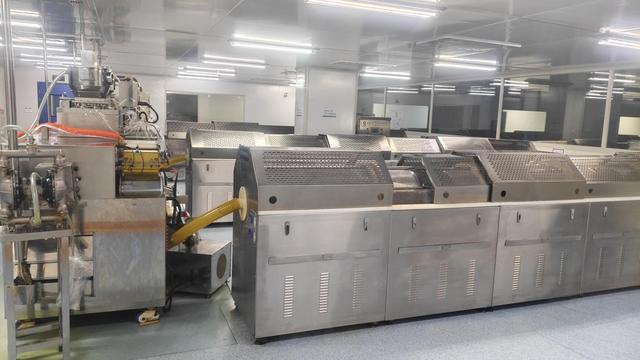
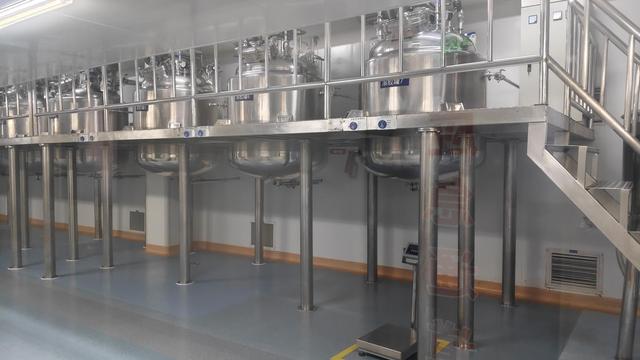
Ningbo Bolly Biology utilizes a controlled, state-of-the-art bioprocessing setup designed to optimize both nutritional density and physical behavior in food matrices. Our technological protocol involves:
Our Quality Management System adheres to stringent global criteria. Certified with ISO 22000, HACCP, Halal, and Kosher standards, we verify that every batch destined for Ethiopia meets strict safety tolerances for heavy metals, pesticides, and microbial pathogens, guaranteeing an uninterrupted supply chain for your factory operations.
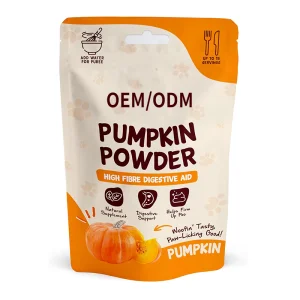
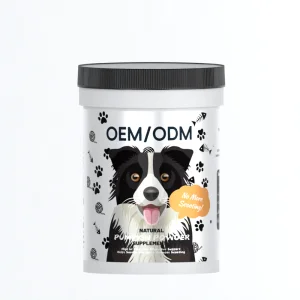
Designed to address functional requirements in animal husbandry, pet feeds, and dietary supplement lines in East African distribution networks.
To successfully integrate imported proteins into Ethiopia, products must match local dietary habits and industrial constraints. Our high-solubility fermented proteins are specifically tested for:
Traditional Injera fermentation takes several days and relies heavily on Tef. While Tef has a rich nutrient profile, augmenting the flour with 5% to 10% fermented pumpkin seed protein significantly increases the overall amino acid score without altering the characteristic sour taste, sponge-like texture, or bubble structure (eyes) of the Injera. This addresses nutritional deficiencies at a low cost.
In urban centers like Addis Ababa, the demand for instant nutritional powders and shakes is growing rapidly. Our micro-milled pumpkin seed protein features high dispersibility, minimal sediment formation, and a pleasant, nutty flavor profile. This allows manufacturers to reduce sugar and masking agent additions, aligning with the clean-label movement.
We work closely with humanitarian agencies and dry-food packagers in the Horn of Africa. Fermented pumpkin seed protein is an ideal base for RUTF pastes due to its low water activity, high density of naturally occurring zinc and magnesium, and low allergen risk compared to peanut or milk powders.
Ningbo Bolly biology Co., Ltd. is a leading China vegetal protein manufacturer specializing in high-quality plant protein ingredients for food and beverage applications. With a strong commitment to innovation, quality, and sustainability, the company provides comprehensive plant-based protein solutions to customers worldwide.
Leveraging advanced production technologies and strict quality management systems, Ningbo Bolly biology offers a diverse portfolio of vegetal protein ingredients, including soy protein, pea protein, rice protein, wheat protein, and other specialty plant proteins. These ingredients are widely used in functional foods, beverages, nutritional supplements, sports nutrition products, meat alternatives, dairy alternatives, bakery products, and health foods.
The company places great emphasis on research and development, continuously exploring new plant protein technologies to meet the evolving demands of the global food industry. Its experienced R&D team works closely with customers to develop customized ingredient solutions that enhance nutritional value, improve texture, optimize taste, and support clean-label product development.
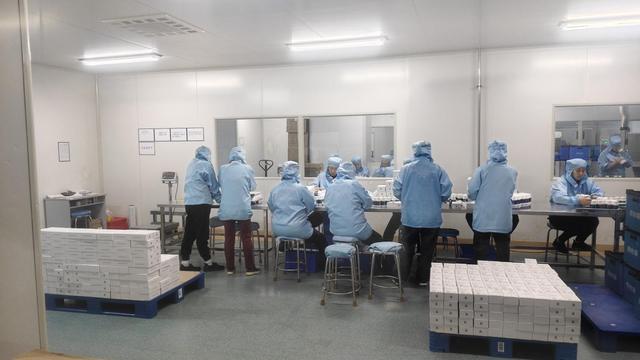
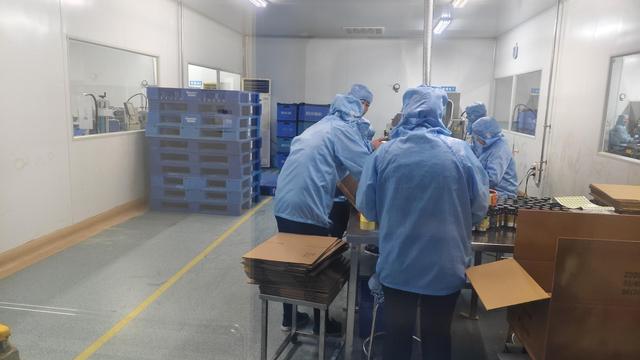
Quality and safety are at the core of Ningbo Bolly biology' operations. The company implements rigorous quality control procedures throughout the entire production process, ensuring that all products meet international standards and customer requirements. By maintaining consistent product quality and reliable supply capabilities, the company has established long-term partnerships with food manufacturers, distributors, and brand owners across multiple international markets.
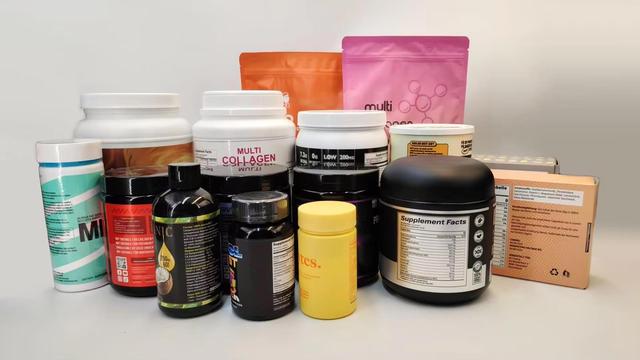
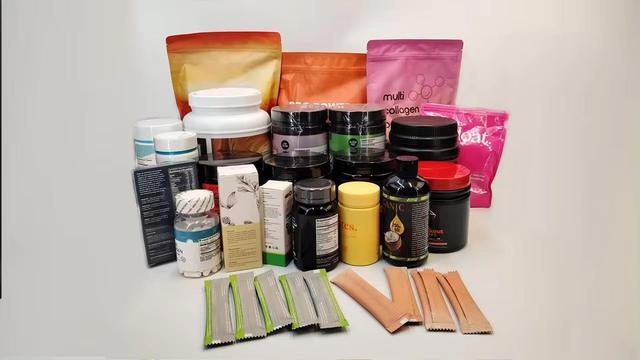
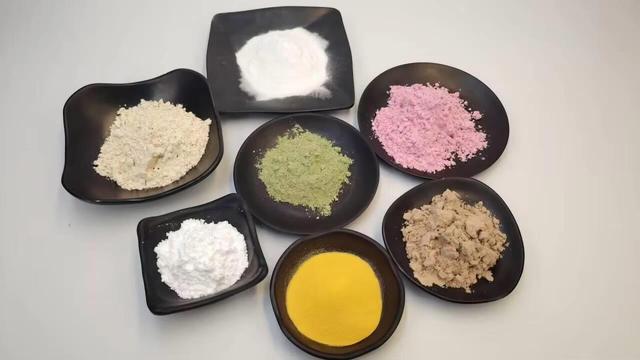
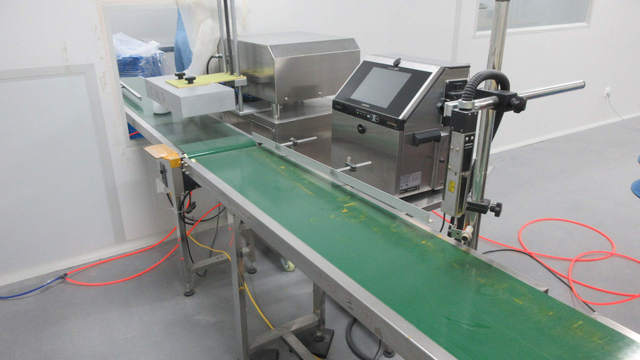

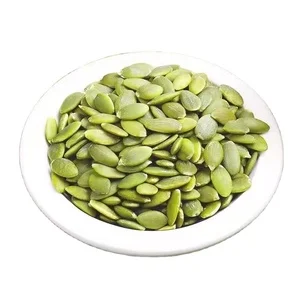
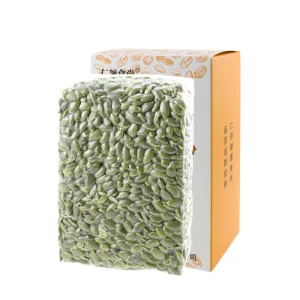
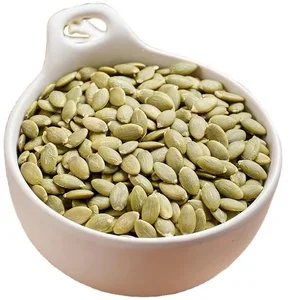
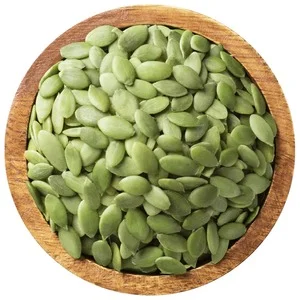
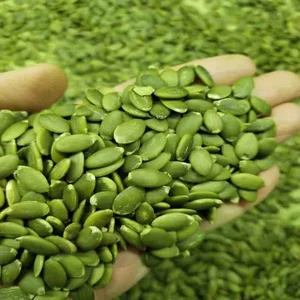
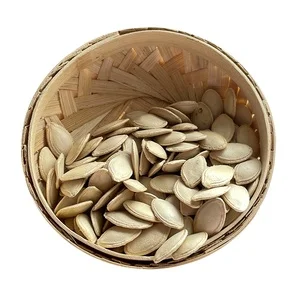
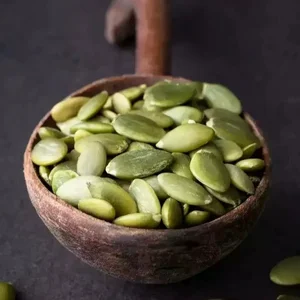
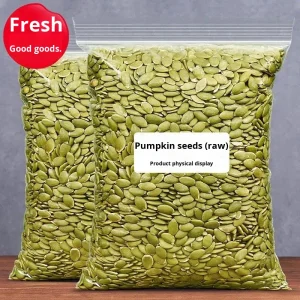
Select from our premium grades of raw and processed pumpkin kernels. Ideal for direct consumption, commercial baking, or industrial milling lines.
Addressing critical compliance, shipping, and formulation queries for Ethiopian food processors.
A: Fermentation significantly degrades anti-nutrients like phytic acid and enzyme inhibitors, improving mineral (iron/zinc) bioavailability. It also breaks down large proteins into smaller peptides, improving solubility and emulsification while removing the "beany" off-flavor commonly found in pea and soy proteins.
A: We ship primarily via maritime container cargo (FCL/LCL) to the Port of Djibouti, which handles most of Ethiopia's imports. From Djibouti, shipments are transported by truck or the ethio-djibouti railway to major industrial parks or dry ports like Modjo.
A: Yes, our plant proteins carry major global certifications, including EU/USDA Organic, Non-GMO Project Verified, HACCP, ISO 22000, Halal, and Kosher. We provide full certificates of analysis (COA) and phytosanitary documentation with every shipment.
A: Absolutely. It offers a complete amino acid profile, high digestibility, and excellent dispersion, making it a viable 1:1 plant-based alternative to whey protein concentrate (WPC 80) in sports nutrition, wellness blends, and clinical nutrition formulas.
A: Our experienced R&D team works closely with clients to custom-tailor protein content (60%-70%), particle size distribution (for smooth liquids or bakery applications), and blend formulation. Contact our team through our contact page to outline your specifications.
Connect with our technical R&D team to request samples, review import compliance documents, or receive customized quotes for your Ethiopian manufacturing plant.
 Bolly Biology