Berlin Customized Plant Extracts & Soluble Protein Powders for High-Performance Industrial Applications
Analyzing local shifts, economic indicators, and formulation challenges in the German capital's food technology ecosystem.
The global shift toward plant-based diets has accelerated structural updates within the European Union's food manufacturing sectors. Berlin, recognized as Europe's start-up capital and a pioneering hub for vegan biotechnology, represents a major market for Hemp Protein and Corn Protein ingredients. Food designers and chemical engineers in Berlin are increasingly looking beyond simple soy alternatives to unlock complex functional benefits such as clean labeling, hypoallergenic profiles, and advanced texturization.
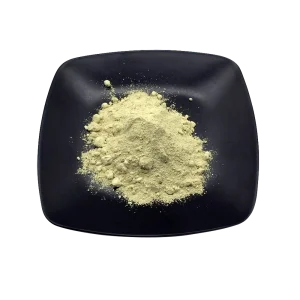
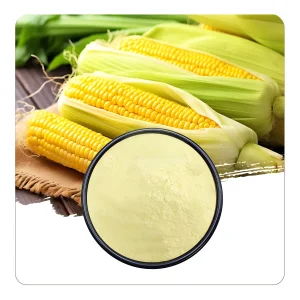
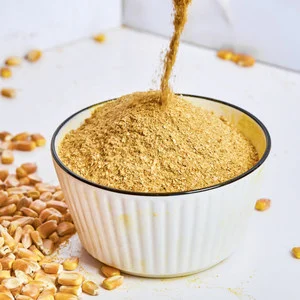
From a biological standpoint, industrial hemp (Cannabis sativa L.) provides an exceptional nutritional matrix. Composed primarily of edestin (approximately 65%) and albumin (35%), hemp protein exhibits outstanding digestibility and a balanced amino acid spectrum. Meanwhile, corn protein co-products—specifically Zein and highly purified corn gluten meals—offer unique hydrophobic and film-forming properties that make them ideal for specialized coatings, texturized plant proteins (TVPs), and animal nutrition products.
Contextualizing the trade flows, market drivers, and regional regulations within Germany and the global landscape.
In Berlin and the surrounding Brandenburg metropolitan region, the demand for botanical proteins is driven by two main sectors: the fast-growing functional food start-up scene and a deeply rooted industrial dairy/meat processing sector transition. Traditional operations are adapting production lines to accommodate plant-based compounds. Berlin’s consumer base prioritizes sustainability, organic certification, and allergen-free profiles. Hemp protein fits these criteria perfectly as it does not require allergen labeling under EU regulations, unlike soy and wheat.
In addition, corn-derived proteins like Zein are finding applications in Berlin's pharmaceutical and cosmetic packaging sectors. With Germany's strict commitment to the circular economy, local manufacturers are using bio-based zein films as biodegradable alternatives to synthetic barrier coatings. This localized demand links local research hubs (such as those in Adlershof) with international ingredient suppliers who can guarantee consistent batch-to-batch quality.
Globally, the market for plant proteins is projected to surpass $20 billion by 2030. Within this market, corn protein derivatives—traditionally relegated to animal feed—have been elevated to high-value food-grade ingredients through advanced enzymatic wet-milling and extraction. At the same time, the relaxation of industrial hemp cultivation regulations worldwide has stabilized raw material supply chains, reducing pricing volatility for hemp meal and protein isolates.
Aligning with European Food Safety Authority guidelines to guarantee non-GMO safety and clean-label compliance across all formulations.
Overcoming botanical sedimentation issues through partial hydrolysis and micro-milling techniques developed for RTD beverages.
Providing clean, gluten-free, and soy-free alternatives to address the growing demographic of consumers with dietary sensitivities.
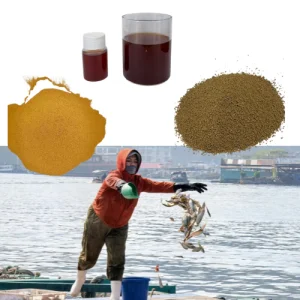
Preserving raw protein value for high-efficiency aquaculture and livestock feeds in the EU market.
How advanced bio-catalysts optimize wet milling yields and improve botanical protein functionality.
Extracting high-purity protein from corn and hemp involves complex plant cell-wall matrices. Classic extraction methods rely on harsh alkaline solutions that can damage the protein structures, reducing solubility and nutritional value. The modern technical roadmap utilizes targeted enzymatic hydrolysis and advanced wet-milling processes.
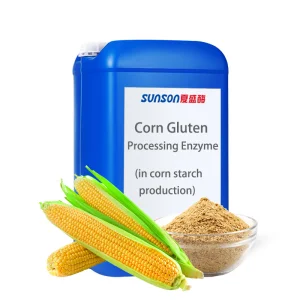
By using specific enzymes (such as alpha-amylases and glucoamylases) during corn starch processing, manufacturers can systematically break down starch molecules. This increases the concentration of corn gluten meal and yields high-purity Zein. Furthermore, enzymatic processing reduces the moisture content of the protein filter cake, lowering drying energy requirements and supporting sustainable manufacturing goals.
Developing tailored ingredient solutions for Berlin’s dynamic commercial sectors.
As food manufacturers in Berlin reformulate products to meet clean-label requirements, raw material suppliers must provide comprehensive solutions rather than simple commodities. The combination of protein isolates and functional soluble fibers (like Resistant Dextrin) allows for the development of clean, stable plant-based foods.
Ningbo Bolly biology Co., Ltd. — Delivering certified vegetal protein systems worldwide.
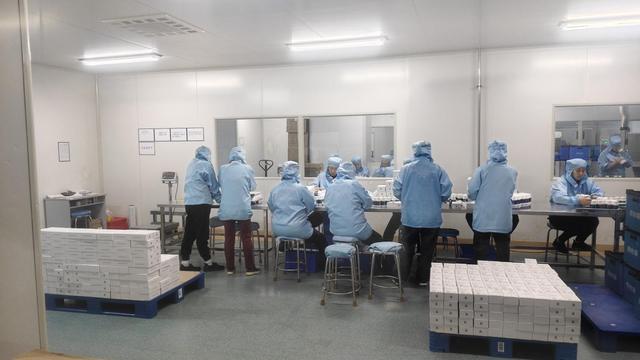
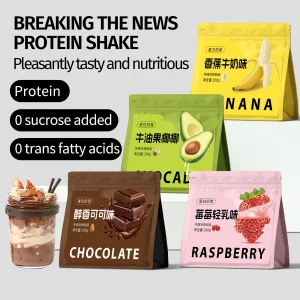
Ningbo Bolly biology Co., Ltd. is a leading China vegetal protein manufacturer specializing in high-quality plant protein ingredients for food and beverage applications. With a strong commitment to innovation, quality, and sustainability, the company provides comprehensive plant-based protein solutions to customers worldwide.
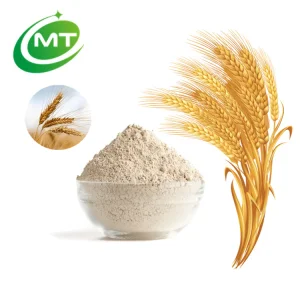
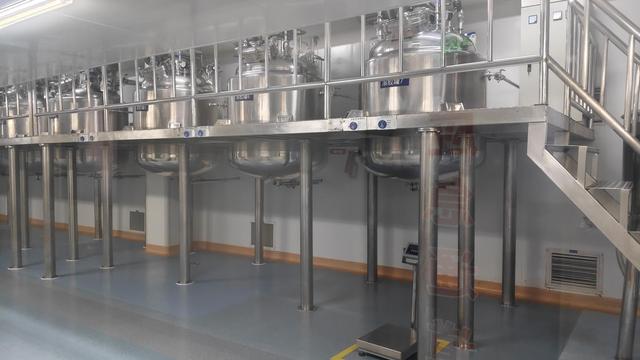
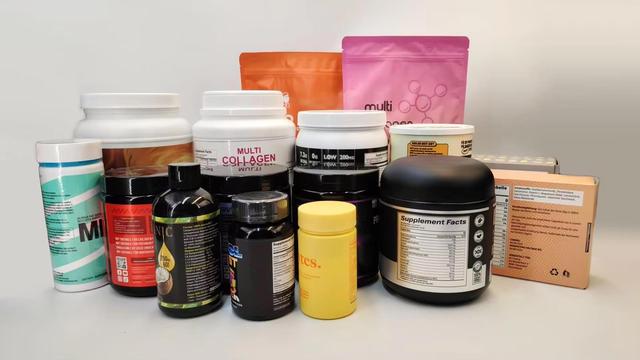
Leveraging advanced production technologies and strict quality management systems, Ningbo Bolly biology offers a diverse portfolio of vegetal protein ingredients, including soy protein, pea protein, rice protein, wheat protein, and other specialty plant proteins. These ingredients are widely used in functional foods, beverages, nutritional supplements, sports nutrition products, meat alternatives, dairy alternatives, bakery products, and health foods.
The company places great emphasis on research and development, continuously exploring new plant protein technologies to meet the evolving demands of the global food industry. Its experienced R&D team works closely with customers to develop customized ingredient solutions that enhance nutritional value, improve texture, optimize taste, and support clean-label product development.
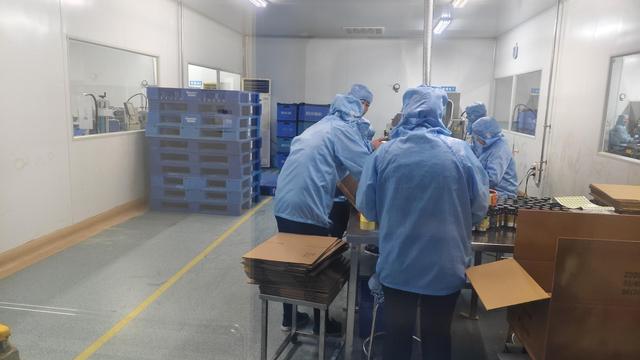
Quality and safety are at the core of Ningbo Bolly biology' operations. The company implements rigorous quality control procedures throughout the entire production process, ensuring that all products meet international standards and customer requirements. By maintaining consistent product quality and reliable supply capabilities, the company has established long-term partnerships with food manufacturers, distributors, and brand owners across multiple international markets.
Driven by customer satisfaction and sustainable development, Ningbo Bolly biology Co., Ltd. continues to deliver innovative vegetal protein solutions that help customers create healthier, more sustainable, and market-competitive food and beverage products worldwide.

Addressing technical, logistics, and formulation questions for sourcing plant proteins in Europe.
Standard hemp powder is produced by milling the seed press-cake, typically yielding 30% to 50% protein. Hemp protein isolate undergoes additional steps, such as air classification or aqueous extraction, to remove fats and fibers. This raises the protein content to over 70% or 80%, while improving solubility and color for beverage formulations.
Zein is highly hydrophobic and insoluble in water, but soluble in hydro-alcoholic mixtures. When applied as a coating, the alcohol evaporates, leaving a glossy, water-resistant film. This makes it an effective natural barrier against moisture and grease for eco-friendly packaging and foods.
Yes. We implement strict identity preservation (IP) systems across our supply chain. All raw materials, including corn, oats, and wheat, undergo PCR testing to confirm they are non-GMO and meet European Union import standards.
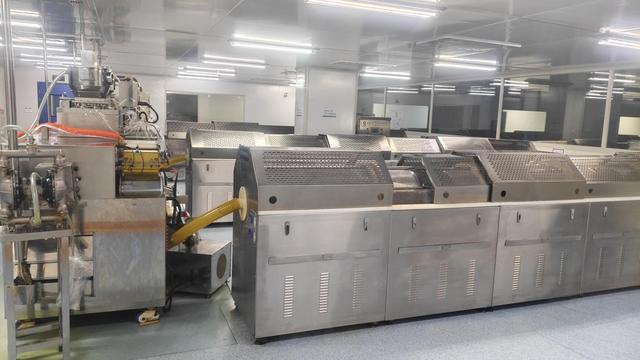
Enzymes break down cell walls and starch-protein complexes during processing. This increases starch yields, improves starch-gluten separation, and reduces the moisture content of the final protein cake, which lowers overall drying costs.
Premium plant proteins, functional fibers, and dietary ingredients for global distribution.
 Bolly Biology