Bolly Biology
1 / 5
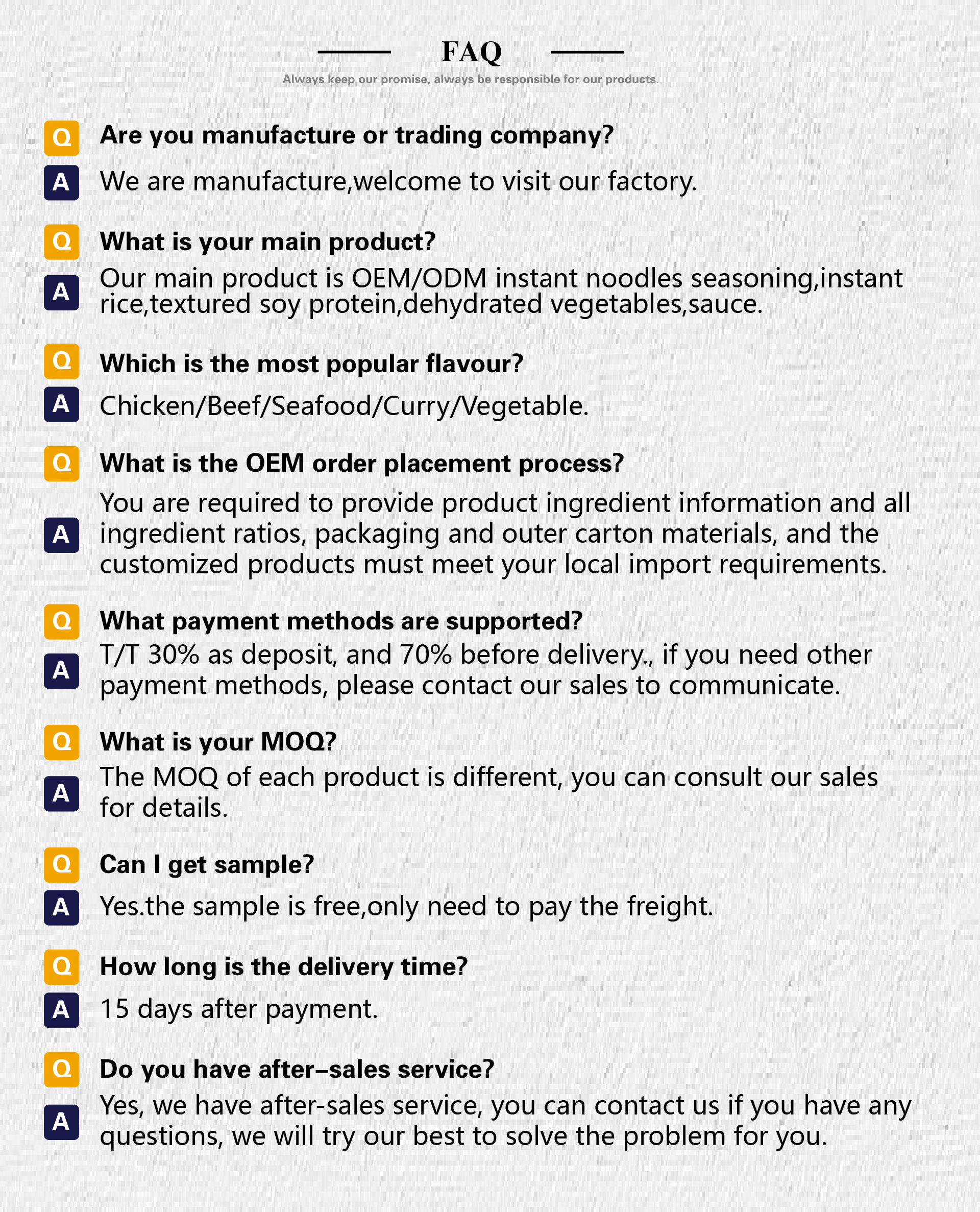

Welcome to send us a consultation, we will reply your questions in time, you can also send us your contact information, we will get in touch with you as soon as possible. Welcome to leave a message for after-sales problems, we will try our best to solve them for you!
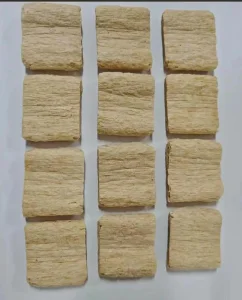
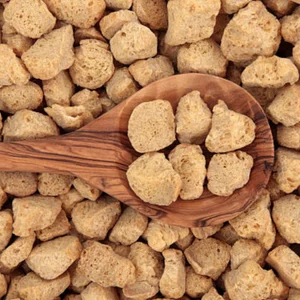
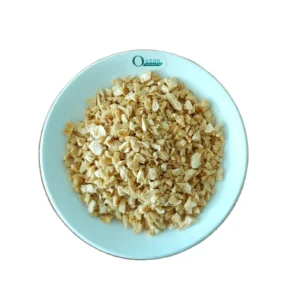
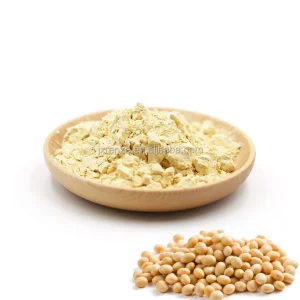
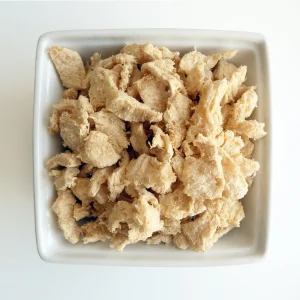
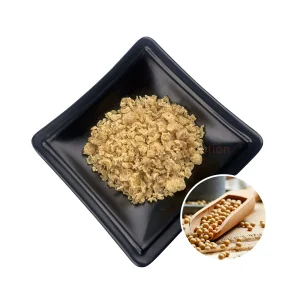
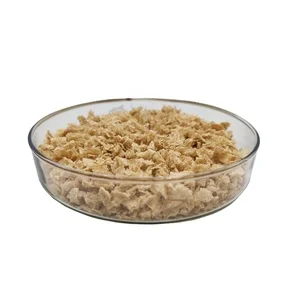
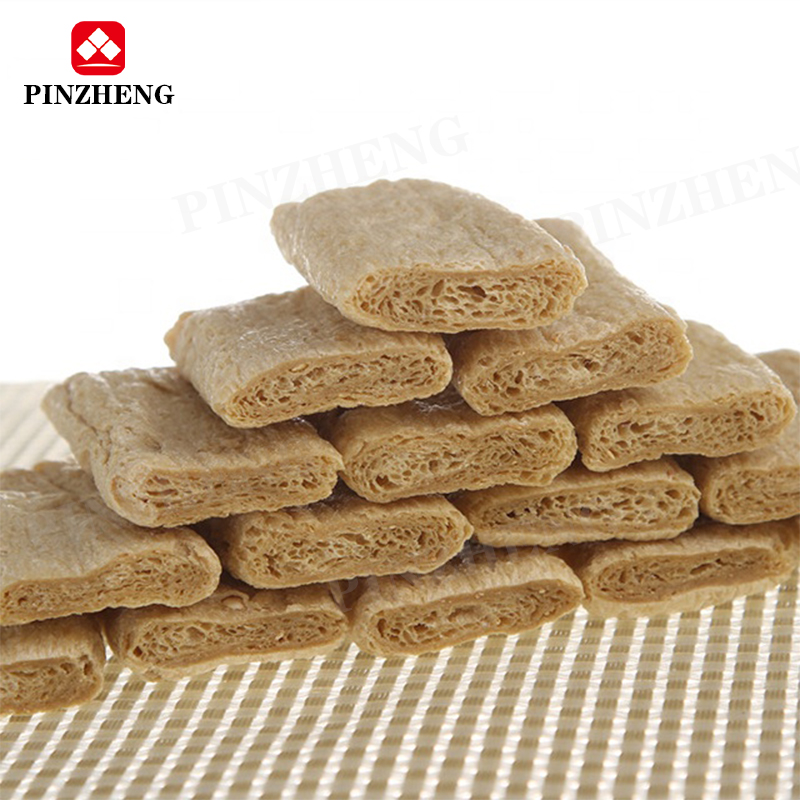
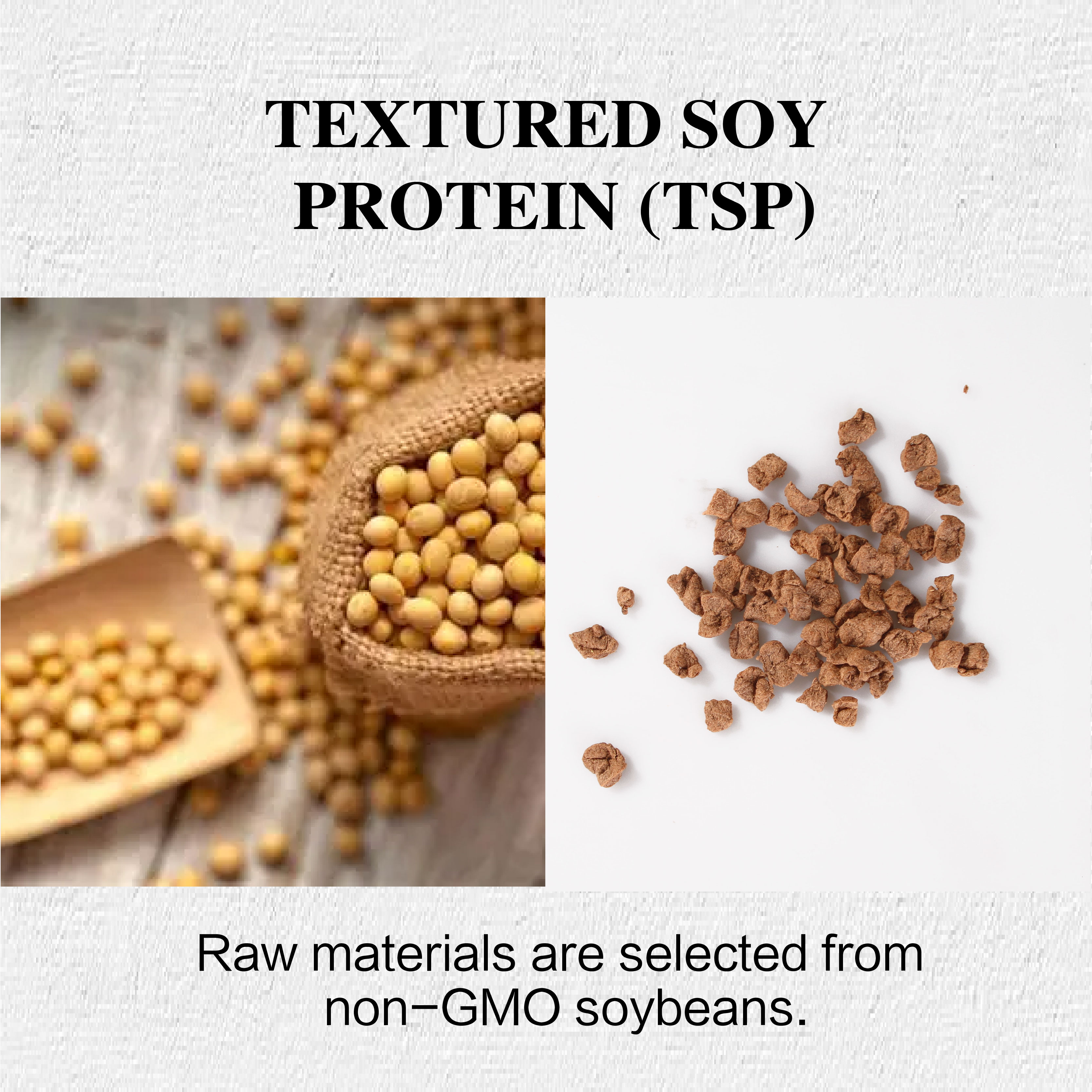
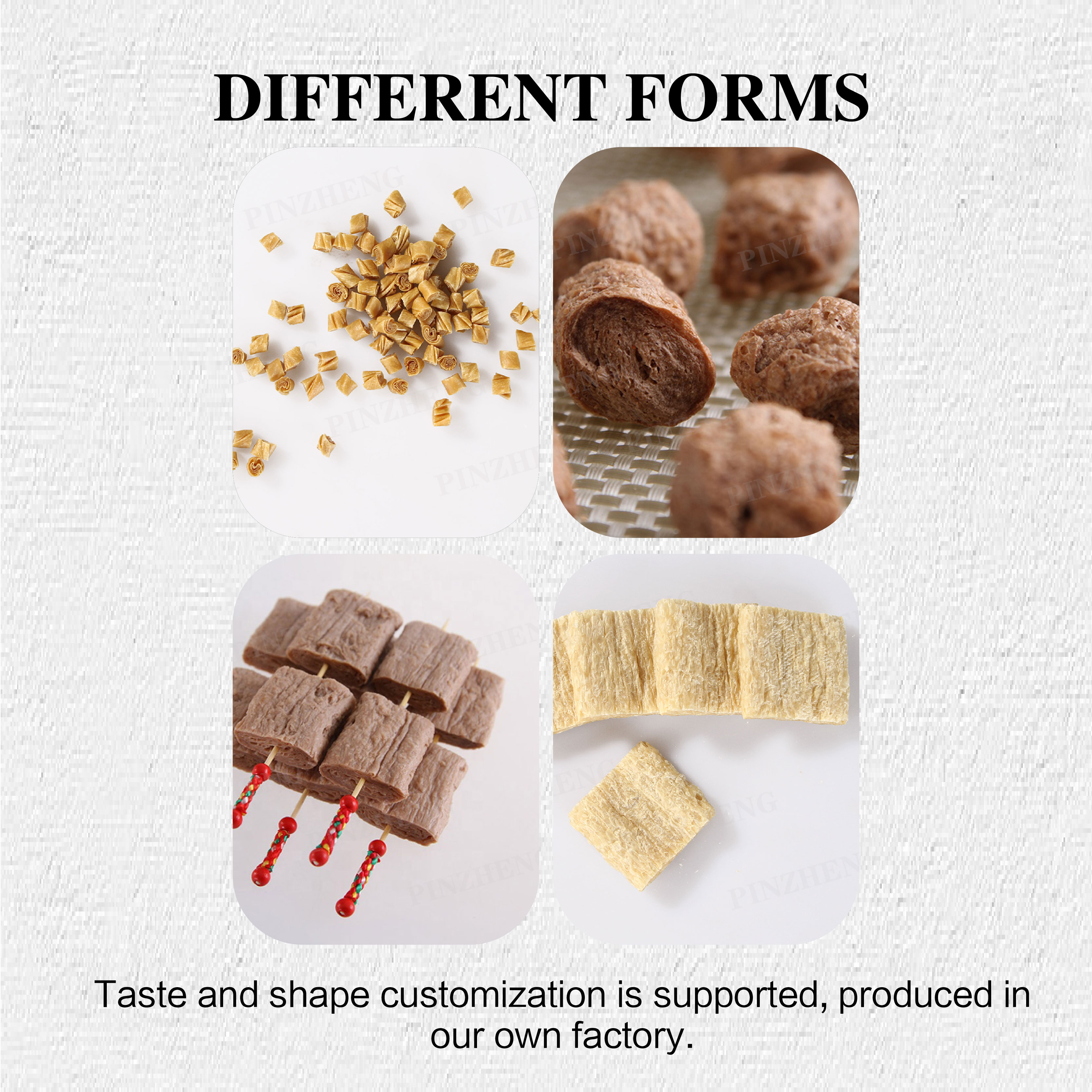
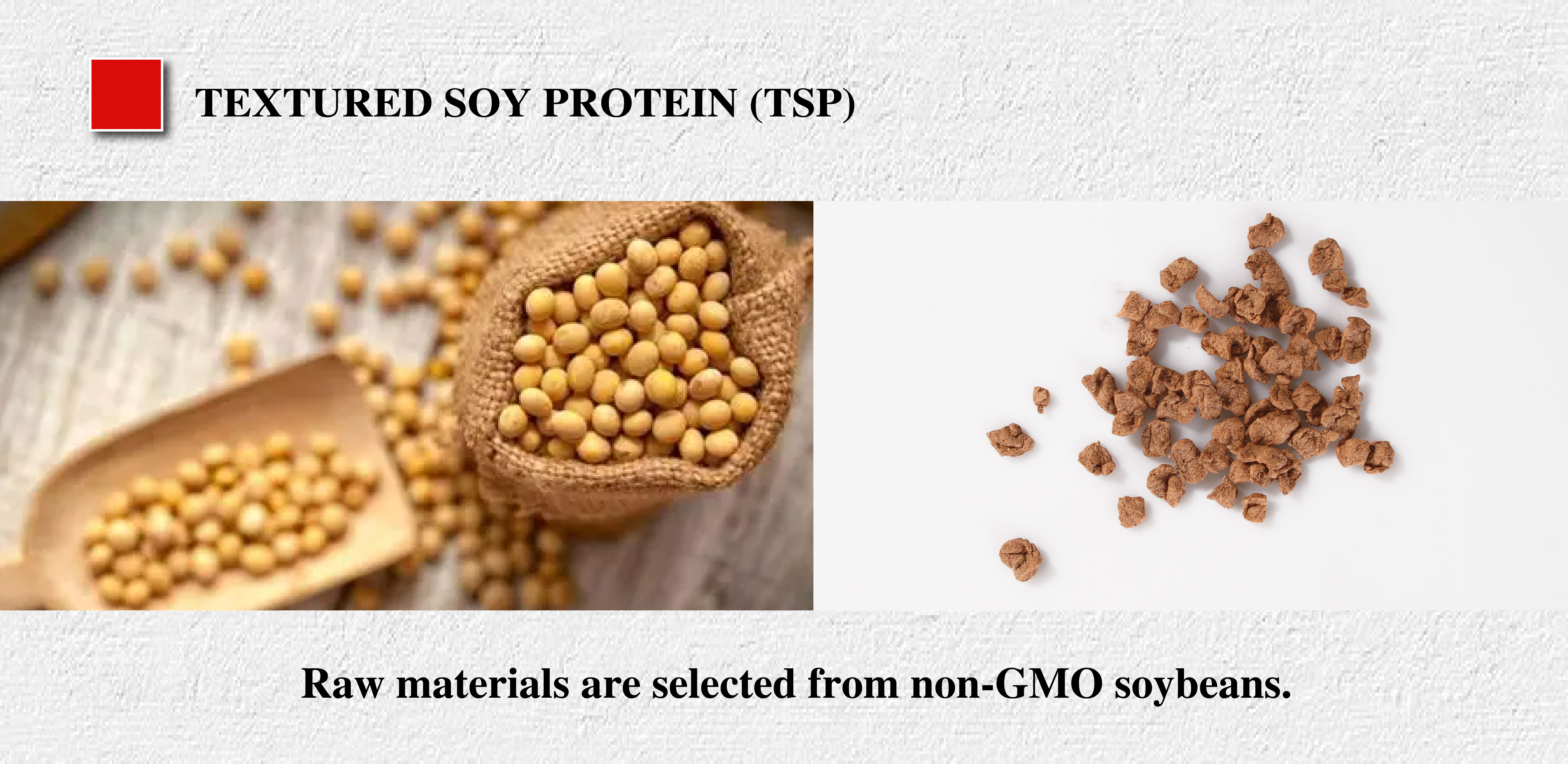
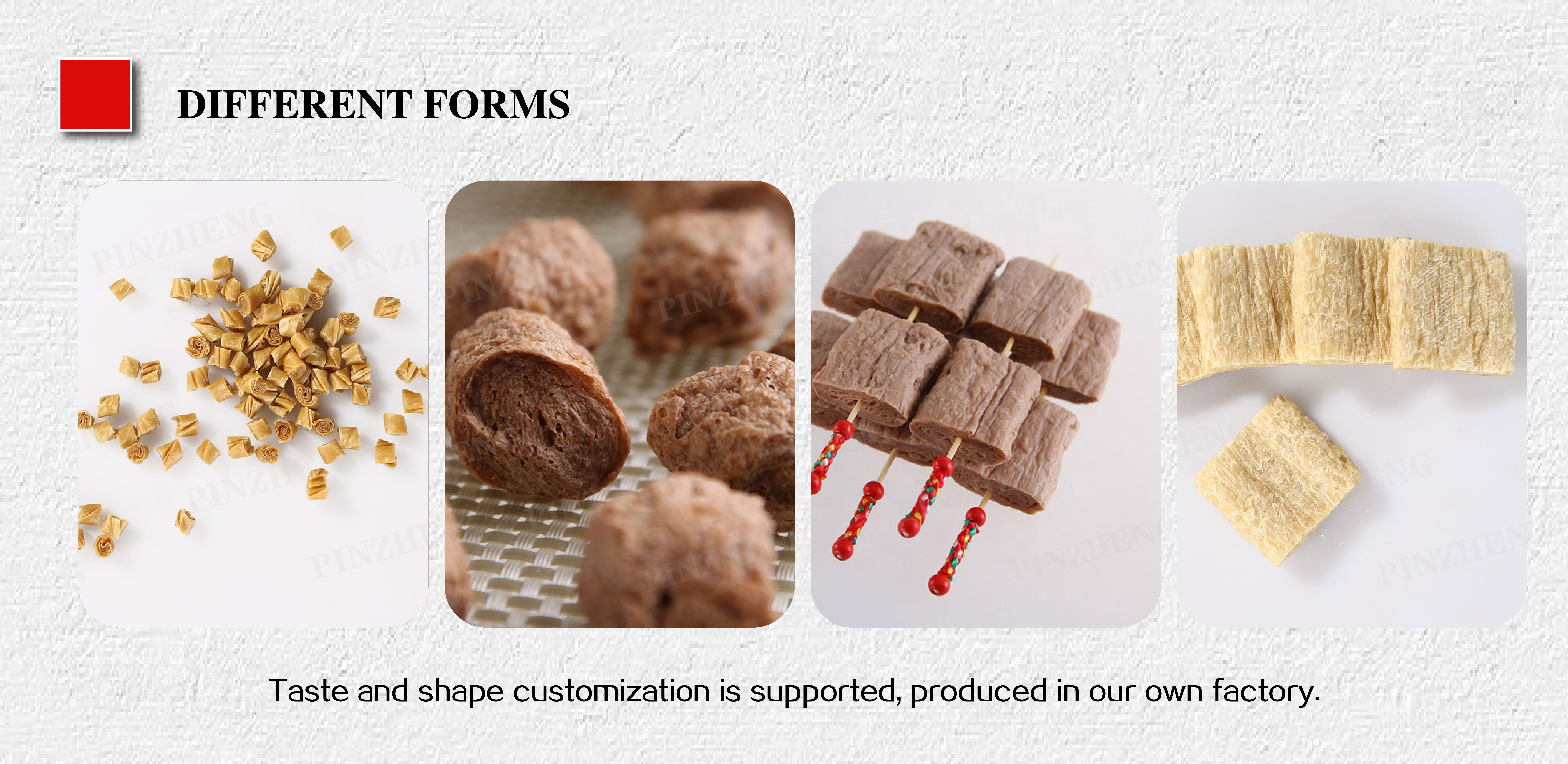
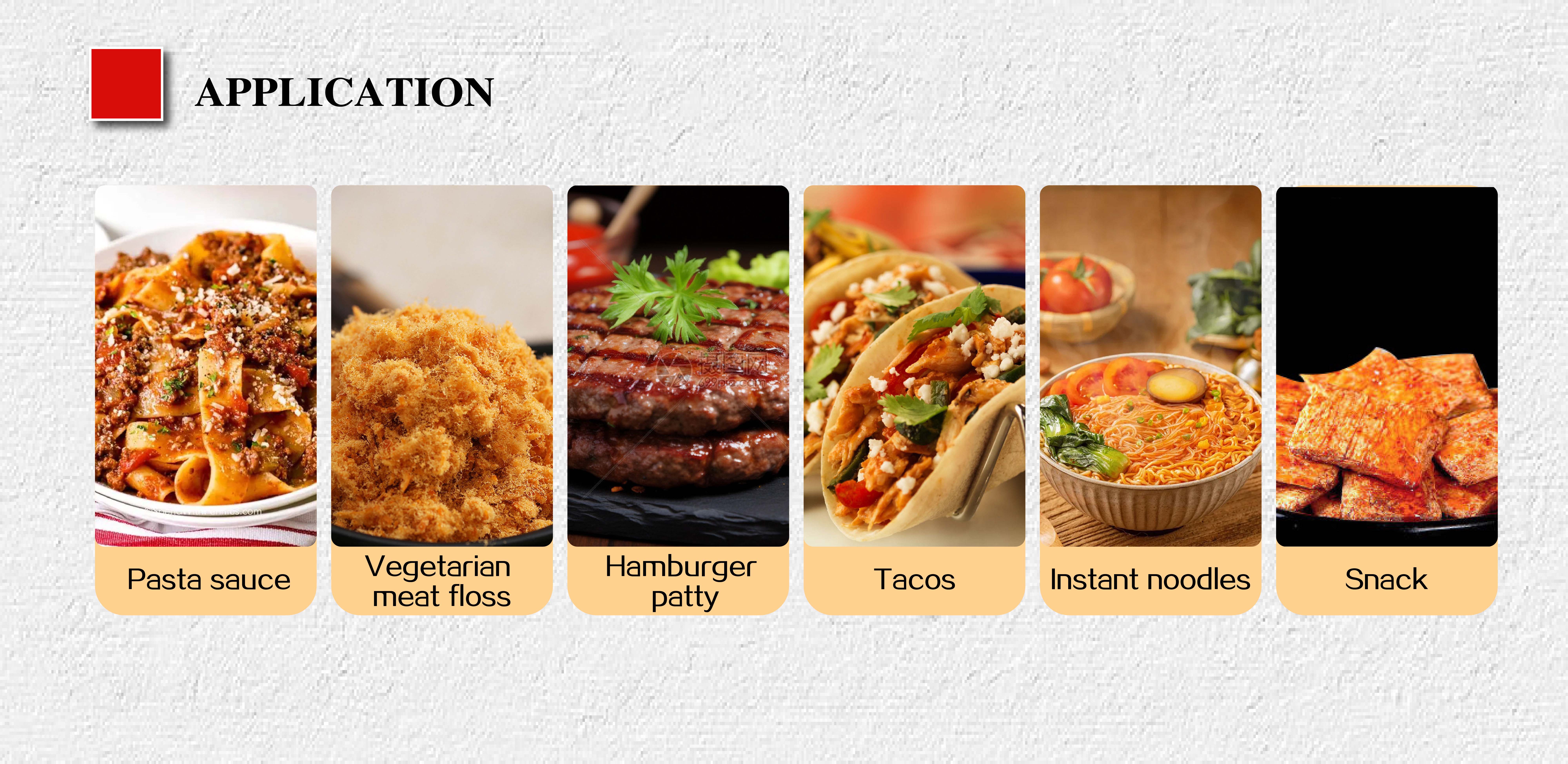
Textured Soy Protein (TSP), also known as textured vegetable protein, is a high-protein food product made from defatted soy flour. It is widely used as a meat substitute or meat extender in various culinary applications due to its fibrous structure and chewy texture.
TSP is an excellent plant-based source of complete protein, containing all essential amino acids. It is naturally low in fat, cholesterol-free, and high in dietary fiber, iron, and calcium, making it a healthy option for vegetarian, vegan, and heart-healthy diets.
To prepare dry TSP, soak it in hot water or vegetable broth in a 1:1 ratio for approximately 10 to 15 minutes. Once it absorbs the liquid and becomes tender, squeeze out any excess moisture, and it is ready to be seasoned and cooked in your recipes.
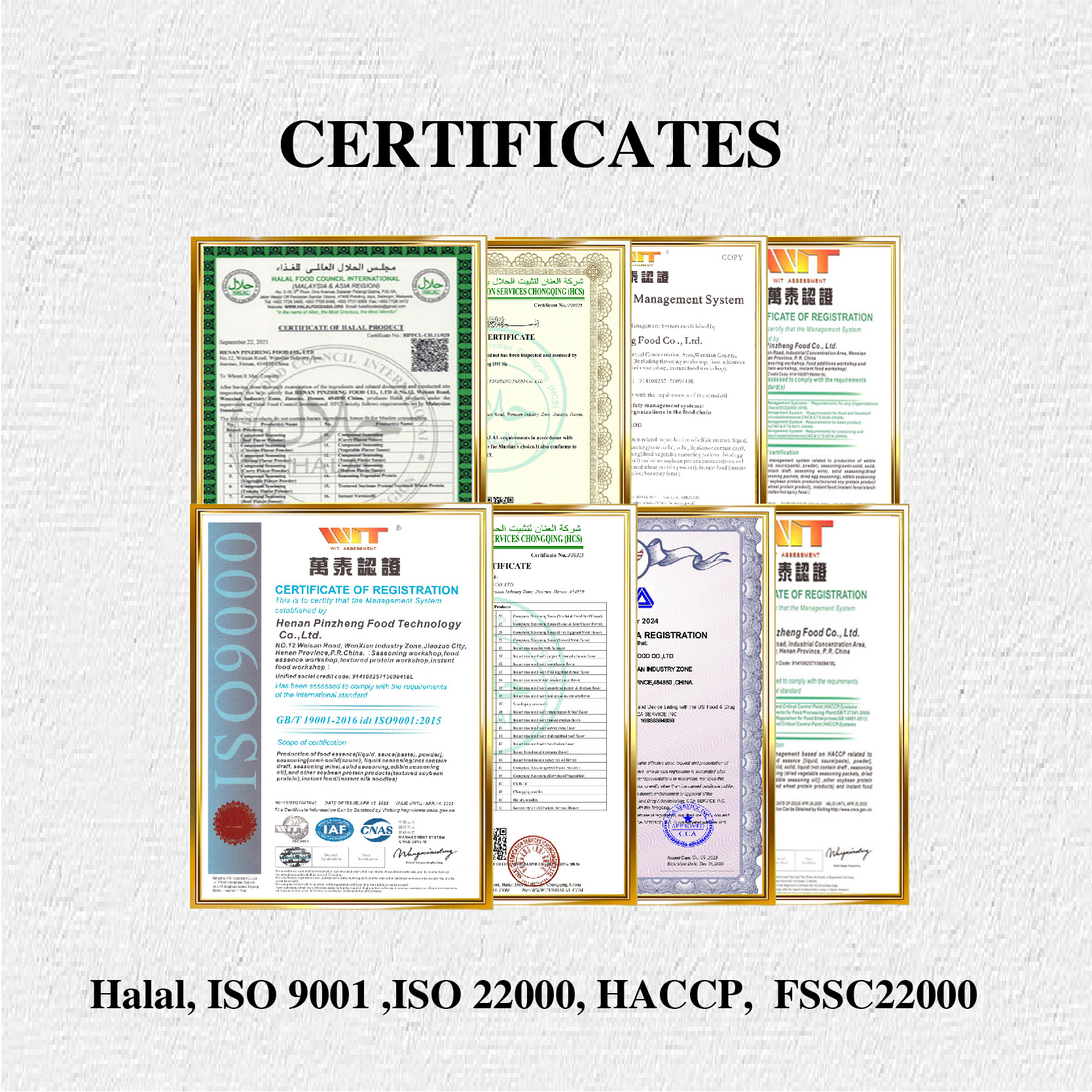
Yes, pure Textured Soy Protein made solely from soybeans is naturally gluten-free. However, it is always recommended to check the specific product packaging for certification, especially for individuals with severe gluten sensitivities or celiac disease.
Dry, dehydrated TSP has a long shelf life and should be stored in an airtight container in a cool, dry, and dark place. Once rehydrated, it must be kept refrigerated and consumed within three to four days, or frozen for longer preservation.