An in-depth analysis of supply security, technical advancements, and nutritional optimization in alternative protein ecosystems.
The global food and agriculture matrix is undergoing its most significant transition since the Green Revolution. Driven by a combination of environmental necessity, shifting consumer preferences, and geopolitical focus on agricultural supply chains, the demand for sustainable proteins is accelerating exponentially. The food science sector defines "sustainable proteins" as those derived from plants, microalgae, fungi, and cellular cultivation that present a dramatically lower carbon and water footprint compared to conventional animal agriculture.
According to current market intelligence, the global alternative protein market is projected to exceed USD 290 billion by 2035, representing approximately 11% of the total global protein market. In this macroeconomic landscape, China has emerged as a crucial node. Possessing robust agricultural manufacturing infrastructure, advanced enzyme extraction technologies, and strategic access to raw crop volumes, Chinese manufacturers are uniquely positioned to address the global protein deficit with highly refined, functional, and economically competitive ingredients.
The determination of a protein's "sustainability profile" relies on comprehensive Life Cycle Assessments (LCAs). When evaluating ingredients like soy isolates, pea peptides, and fava bean concentrates, industry metrics concentrate on three primary pillars:
How cutting-edge biotechnology transforms agricultural raw materials into functional, high-PDCAAS food ingredients.
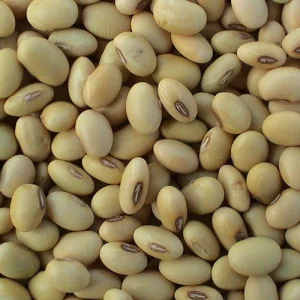
Uses solubilization and isoelectric precipitation to extract proteins up to 90% purity. This process yields superior solubility and gelling capability, critical for dairy and beverage applications.
Employs specific proteases to break protein chains into bio-available peptides (e.g., Rice Peptide 95%, Pea Peptide). This maximizes gastrointestinal absorption and minimizes allergenicity.
Re-aligns globule proteins from soy and wheat into fibrous structures that replicate animal muscle tissue. Essential for generating high-performance Textured Vegetable Proteins (TVP).
A primary benchmark for alternative protein success is the PDCAAS (Protein Digestibility-Corrected Amino Acid Score) and the newer DIAAS (Digestible Indispensable Amino Acid Score). Standard plant proteins sometimes exhibit limiting amino acids (such as lysine in cereal proteins or methionine in legumes). Through targeted blending—such as combining pea and rice proteins—Ningbo Bolly Biology achieves a complete amino acid profile, matching the DIAAS standards of egg or whey protein, establishing a highly functional base for sports nutrition and clinical diets.
Delivering high-purity vegetal proteins, functional peptides, and specialized animal nutrition ingredients globally.
Ningbo Bolly Biology Co., Ltd. stands as a premier Chinese vegetal protein manufacturer, specializing in high-quality plant-derived protein ingredients designed for food, beverage, dietary supplement, and specialized animal feed applications. Grounded in a corporate culture of scientific innovation and verified sustainability, the company serves a diverse global client base with targeted, functional ingredient solutions.
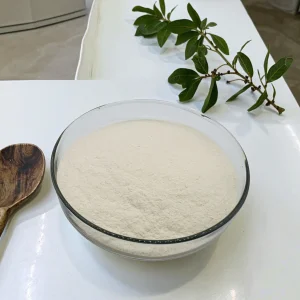
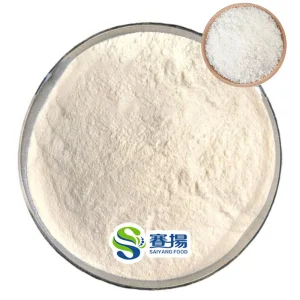
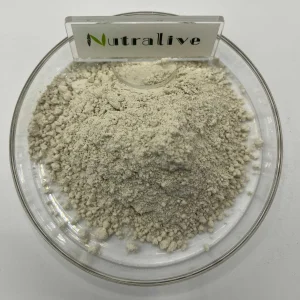
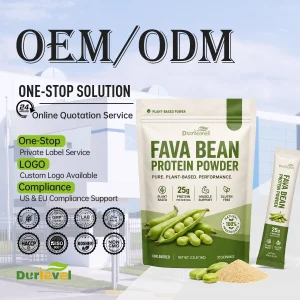
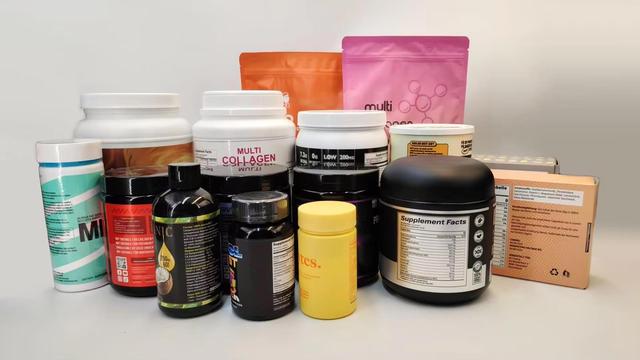
By leveraging advanced wet extraction pathways, precise enzyme modifications, and strict control protocols, Ningbo Bolly Biology offers a broad catalog of plant proteins. This includes soy proteins, pea isolates, organic rice peptides, wheat proteins, and emerging plant alternatives (such as hemp and pumpkin seed isolates). These products are key ingredients in functional foods, sports nutrition shakes, vegetarian meat alternatives, bakery goods, and premium pet foods.
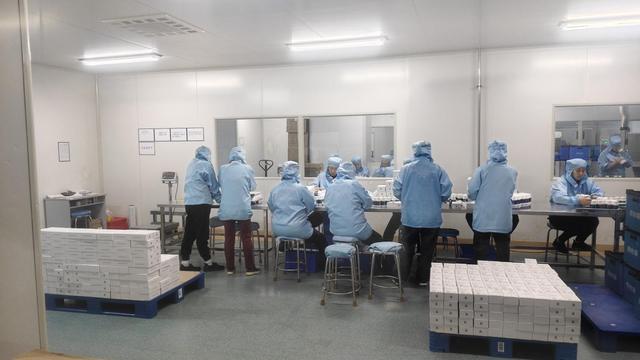
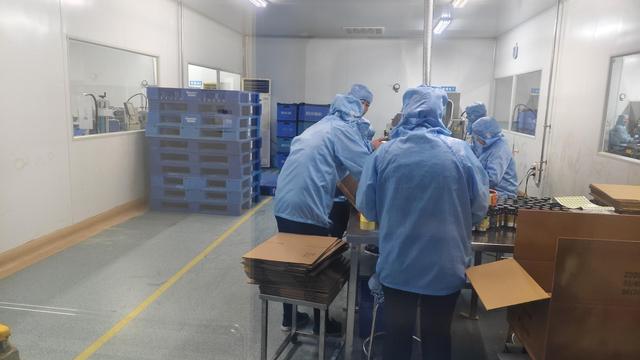
The company maintains a state-of-the-art Research & Development facility, continually developing clean-label ingredients that balance functional parameters (solubility, gel strength, water-binding capacity) with clean, neutral taste profiles. Through strict quality assurance systems spanning raw materials sourcing to finished goods shipping, Ningbo Bolly Biology guarantees trace-level purity, Non-GMO verification, and compliance with rigorous international safety standards (including ISO, HACCP, Halal, and Kosher certifications).


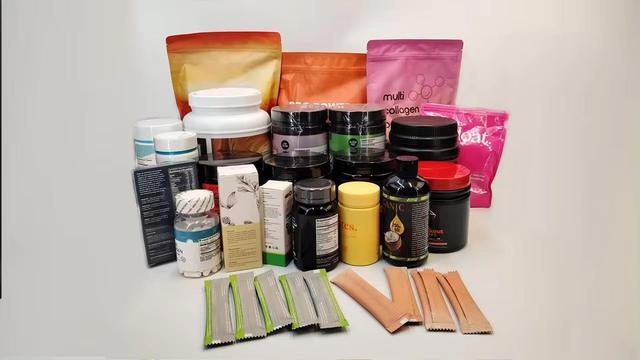
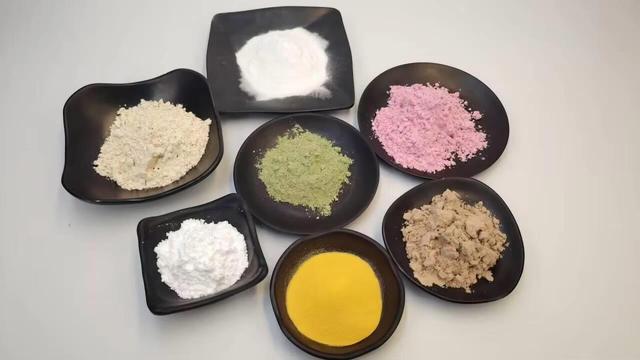

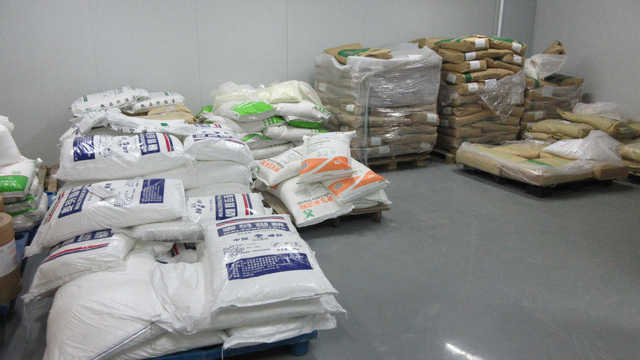

Targeted functional formulations addressing diverse application demands from food processing to intensive aquaculture.
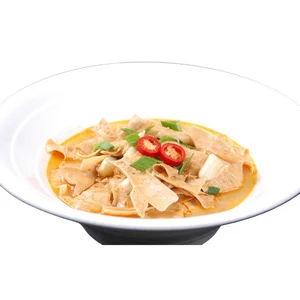
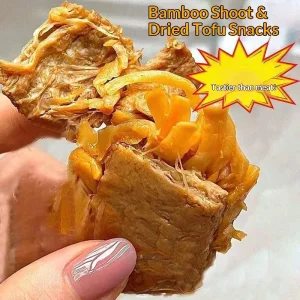
Our Textured Vegetable Protein (TVP) utilizes optimized shear-force processing to mimic animal myofibrillar structures. Key features include high water absorption and clean flavor retention, ideal for burgers, sausages, and vegan ready-to-eat products.
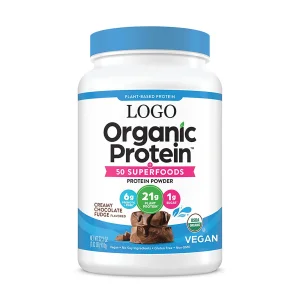
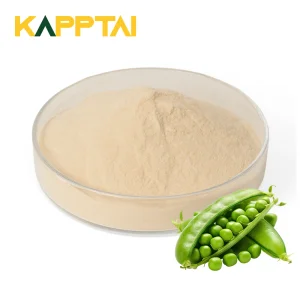
Highly soluble Rice Peptide (95%) and Pea Isolates dissolve easily in beverages without chalky sedimentation. Perfect for clean-label meal replacements, sports recovery formulas, and hypoallergenic formulations.
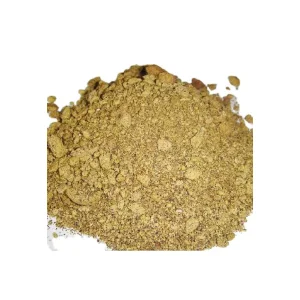
Our high-protein Rapeseed Meal and Spirulina/Chlorella Tablets provide optimal nutrition for intensive aquaculture, swine, and poultry diets. This helps replace expensive fishmeal, optimizing feed conversion ratios (FCR).
Using proprietary cold-pressing and clean solvent-free techniques, ingredients like Hemp Seed Extract and Pumpkin Seed Protein deliver nutrient-dense, allergen-friendly protein alternatives rich in essential minerals and fatty acids.
Technical guidance and sourcing insights for purchasing and food formulation teams.

 Bolly Biology