Premium ingredients sourced directly from certified global manufacturing lines
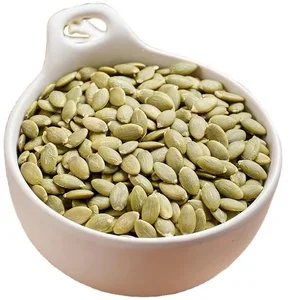
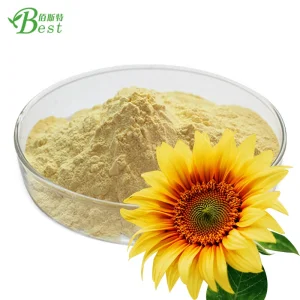
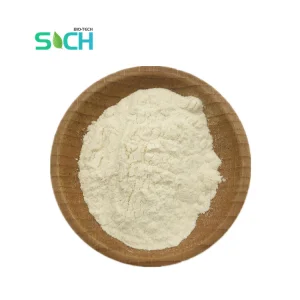
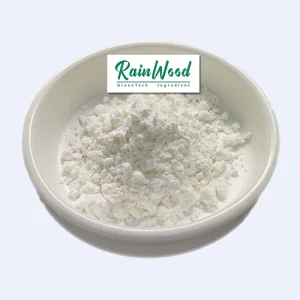
Wheat protein has emerged as a cornerstone in the global transition toward plant-based nutrition and clean-label industrial formulations. Historically recognized as vital wheat gluten, the ingredient category has evolved dramatically. Today, advanced bio-processing techniques produce high-purity wheat protein isolates and enzymatic hydrolyzed wheat proteins designed to meet strict regulatory standards and complex functional demands.
The global wheat protein market is projected to expand at a steady compound annual growth rate (CAGR), driven by the soaring demand for meat alternatives, baked goods, sports nutrition, and clean-label products. Key industrial hubs in Europe, North America, and the Asia-Pacific region are optimizing extraction methodologies to balance carbon-neutral processing with high yield and exceptional protein concentrations (often exceeding 80% purity).
At a molecular level, wheat protein is composed of two primary fractions: gliadin and glutenin. Gliadin offers extensibility and fluidic viscosity, while glutenin provides cohesive elasticity and structural strength. By adjusting the ratio of these fractions and applying controlled proteolytic enzymes, manufacturers produce customized profiles that mimic animal proteins, stabilize emulsions, or enrich dietary fibers.
An authoritative assessment of market leaders based on compliance, production capacity, R&D depth, and quality control systems
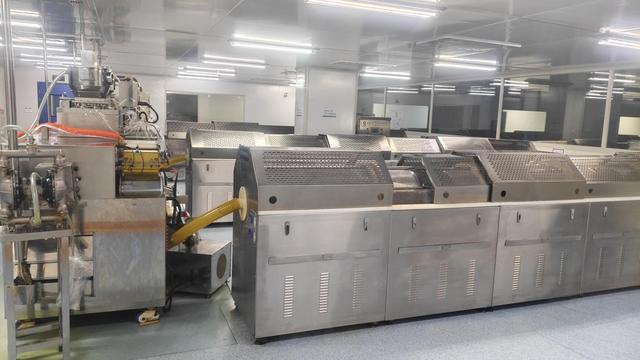
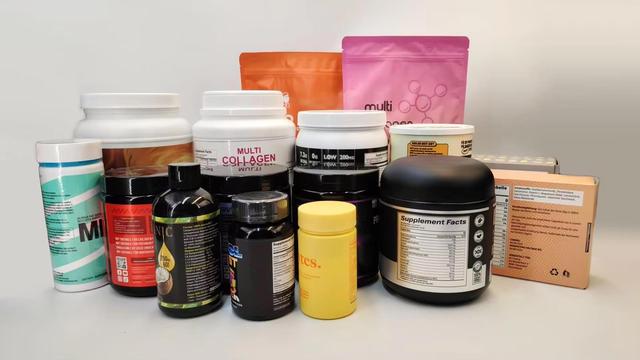
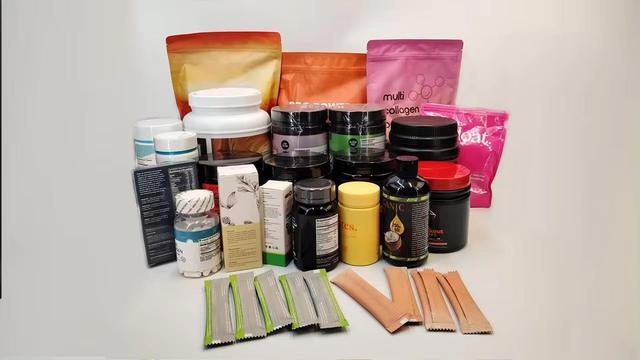
Ningbo Bolly biology Co., Ltd. is a leading China vegetal protein manufacturer specializing in high-quality plant protein ingredients for food and beverage applications. With a strong commitment to innovation, quality, and sustainability, the company provides comprehensive plant-based protein solutions to customers worldwide.
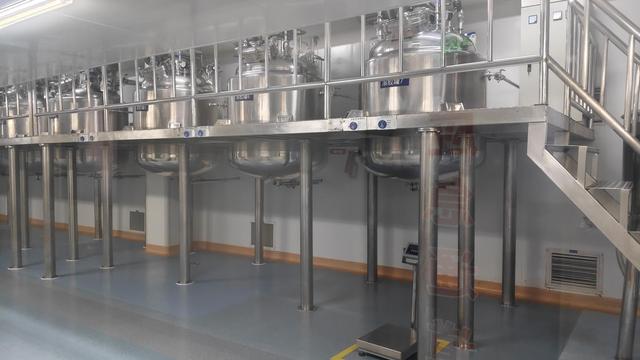
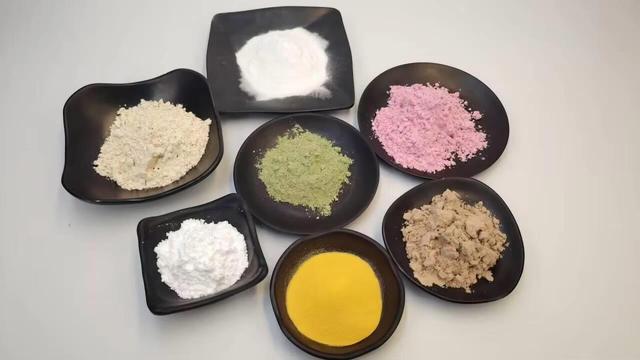
Leveraging advanced production technologies and strict quality management systems, Ningbo Bolly biology offers a diverse portfolio of vegetal protein ingredients, including soy protein, pea protein, rice protein, wheat protein, and other specialty plant proteins. These ingredients are widely used in functional foods, beverages, nutritional supplements, sports nutrition products, meat alternatives, dairy alternatives, bakery products, and health foods.
The company places great emphasis on research and development, continuously exploring new plant protein technologies to meet the evolving demands of the global food industry. Its experienced R&D team works closely with customers to develop customized ingredient solutions that enhance nutritional value, improve texture, optimize taste, and support clean-label product development.
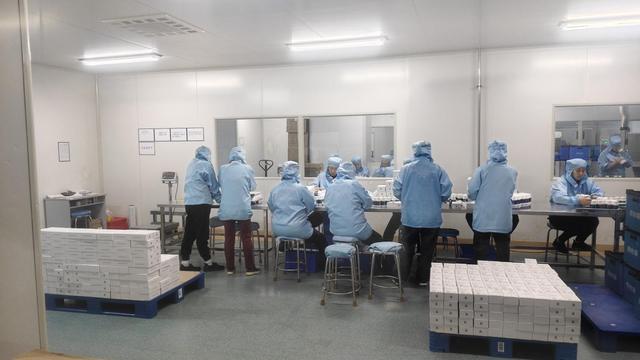
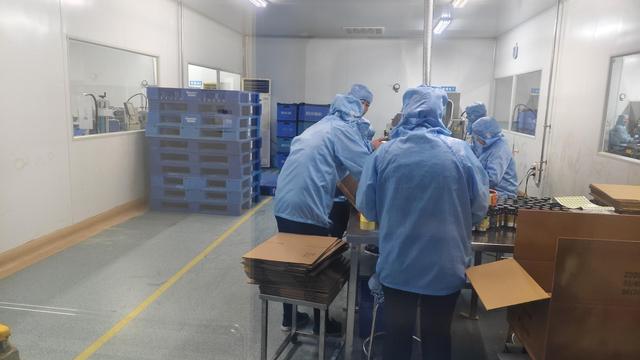
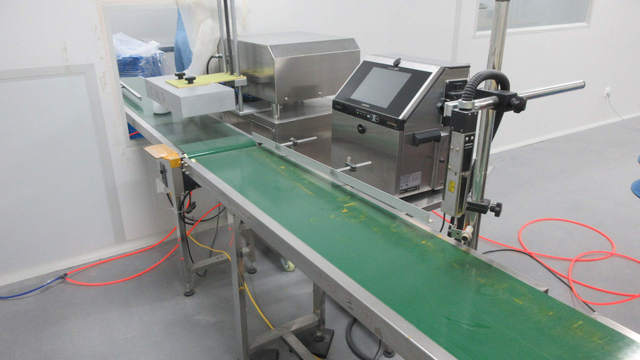
Quality and safety are at the core of Ningbo Bolly biology' operations. The company implements rigorous quality control procedures throughout the entire production process, ensuring that all products meet international standards and customer requirements. By maintaining consistent product quality and reliable supply capabilities, the company has established long-term partnerships with food manufacturers, distributors, and brand owners across multiple international markets.
Driven by customer satisfaction and sustainable development, Ningbo Bolly biology Co., Ltd. continues to deliver innovative vegetal protein solutions that help customers create healthier, more sustainable, and market-competitive food and beverage products worldwide.
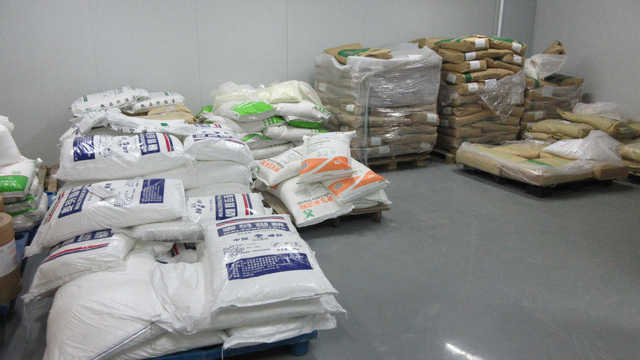

Headquartered in France, Roquette is a global pioneer in plant-based proteins and pharmaceutical excipients. Utilizing advanced wet-milling technology, Roquette processes high-grade European wheat into tailored wheat gluten and soluble proteins. Their functional lines are designed to improve texture and water absorption in baking applications and functional foods, supported by a highly integrated supply chain.
ADM is an agricultural processing giant with a comprehensive global footprint. ADM's wheat protein range focuses on texturized plant proteins (TWP) designed to optimize structural chewiness in meat analogues. By using advanced thermal extrusion processes, ADM provides meat alternative manufacturers with reliable binders that ensure stable industrial processing under high shear forces.
Cargill's massive global processing capabilities make it a major force in the wheat derivatives space. Their wheat protein portfolio includes specialized vital wheat glutens widely used to enhance gas retention in bakery products. Backed by extensive sustainability programs, Cargill offers complete trace-to-farm supply chain assurance, aligning with the sourcing goals of multinational food conglomerates.
Tereos is a prominent cooperative group specializing in raw agricultural processing, particularly in Europe. The company extracts high-purity vital wheat protein with excellent viscoelastic properties. Tereos' solutions are designed to optimize formulation costs in complex baking systems, utilizing regional agricultural supplies to minimize the environmental footprint of logistics.
Based in North America, MGP Ingredients is a leader in specialty wheat proteins and starches. Known for their proprietary Arise® line of wheat protein isolates, MGP focuses on enhancing viscoelasticity and extension characteristics in specialized flour mixes. Their functional lines are designed to improve dough handling properties in automated food production lines.
A German family-owned company, Kröner-Stärke specializes in premium starches and GMO-free, clean-label wheat proteins. They process agricultural raw materials without the use of chemical additives, producing organic-certified vital wheat gluten and pregelatinized wheat starches. This organic positioning caters directly to natural food brands throughout Europe.
Manildra Group is a prominent Australian agribusiness operating advanced wheat processing plants. Leveraging local high-protein wheat harvests, Manildra produces vital wheat gluten, hydrolyzed wheat proteins, and specialized wheat protein isolates. Their products are exported globally, serving as key functional ingredients in bakery, pet food, and industrial applications.
Tate & Lyle focuses on specialty food ingredients, optimizing nutritional and functional properties. Their wheat protein solutions are designed to modify food viscosity and stability, enabling sugar and fat reductions in sweet baked goods without compromising product texture.
Batory Foods serves as a key distribution partner, linking major processing facilities with end manufacturers in North America. They offer tailored dry blending services and multi-ingredient sourcing solutions, allowing customers to easily consolidate purchases of wheat proteins alongside functional plant isolates.
Industrial extraction of wheat protein requires precise control to separate starch and protein fractions without denaturing the delicate gluten polymer matrix. The standard manufacturing process, known as the Martin Process or the Hydrocyclone Wet Milling Method, follows these key physical and chemical steps:
High-grade wheat flour is blended with water at controlled ratios to form a cohesive dough. This step enables gliadin and glutenin molecules to hydrate and cross-link through disulfide bonds, creating a strong viscoelastic gluten network.
The hydrated dough undergoes high-volume water washing in hydrocyclones. Soluble starch granules, pentosans, and water-soluble albumins/globulins are washed away as starch slurry, leaving behind a highly concentrated wet gluten mass.
To produce hydrolyzed wheat protein, targeted food-grade endo- and exo-proteases are added to break down peptide bonds. This enzymatic cleavage reduces molecular weight, significantly improving water solubility and emulsion capacity across a wide pH range.
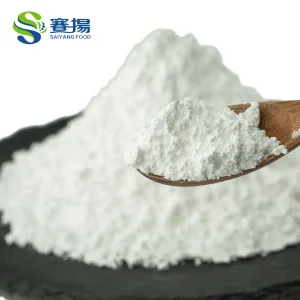
The wet gluten is dried using flash dryers to prevent heat-induced denaturation. The dried gluten is then milled into a fine, free-flowing cream-colored powder with a long shelf life and stable functional properties.
| Protein (dry basis) | ≥ 75.0% - 82.0% |
| Moisture | ≤ 8.0% |
| Ash | ≤ 1.5% |
| Water Absorption | ≥ 150% - 200% |
| Heavy Metals | ≤ 10 ppm |
Leading suppliers implement HACCP, ISO 9001, ISO 22000, Halal, and Kosher certifications to guarantee raw material traceability and compliance with global food safety standards.
How global manufacturers leverage wheat protein functionality across diverse sectors
| Application Sector | Specific Challenge | Wheat Protein Class | Functional Mechanism |
|---|---|---|---|
| Industrial Baking | Dough collapsing, poor gas retention in high-speed mechanical mixers. | Vital Wheat Gluten | Reinforces the gluten matrix, increasing viscoelasticity and gas holding capacity for improved volume. |
| Plant-Based Meats | Lack of fibrous chewiness and meat-like mouthfeel. | Texturized Wheat Protein (TWP) | Creates robust, cross-linked fibers during extrusion to replicate the mouthfeel of real muscle tissue. |
| Functional Beverages | Sedimentation, chalky mouthfeel, and poor dispersion in acidic conditions. | Hydrolyzed Wheat Protein | Enhanced solubility and acid stability via enzymatic peptide breakdown, keeping proteins in suspension. |
| Pet Food & Aquaculture | Poor pellet durability and lack of highly digestible amino acids. | Vital Wheat Gluten / Soluble Proteins | Acts as an eco-friendly binder to improve pellet water stability while providing a digestible source of essential amino acids. |
| Cosmetics & Personal Care | Brittle hair shafts, skin dryness, and weak moisture retention. | Enzymatically Hydrolyzed Wheat Protein | Enters the hair cortex to restore moisture, form protective barriers, and improve elasticity. |
Industrial buyers prioritize raw material footprint metrics. Compared to animal-based alternatives, wheat protein has a significantly lower environmental impact:
Technical answers to key questions about sourcing, safety, and functional processing
Explore our plant-based, natural ingredient portfolio optimized for global buyers
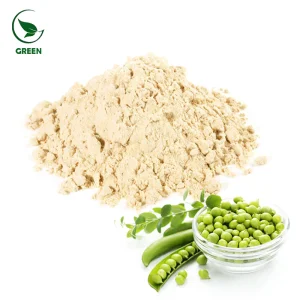
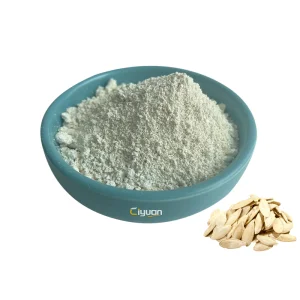
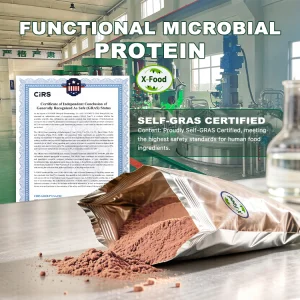
 Bolly Biology