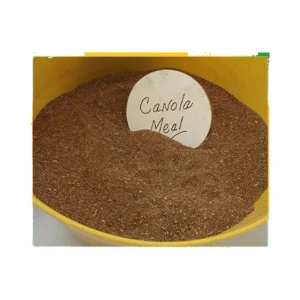
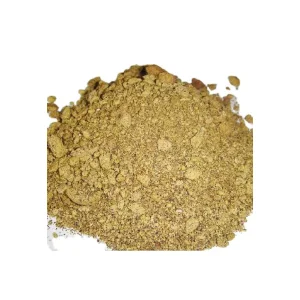
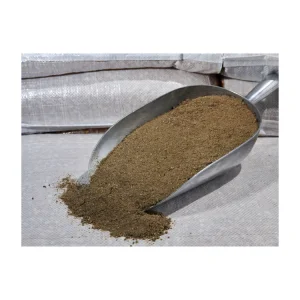
High-solubility, nutrient-dense rapeseed meals and protein isolates engineered to meet stringent Northern European standards.
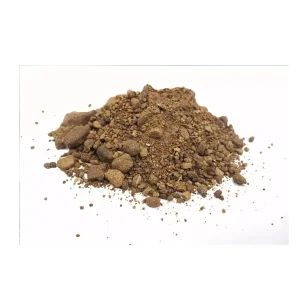
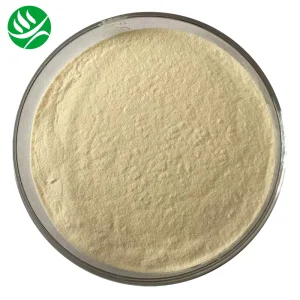
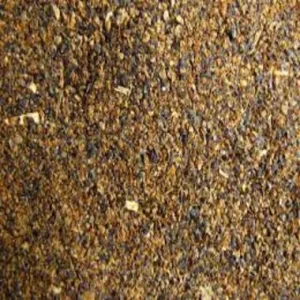
The plant-based protein sector in Northern Europe, specifically in Finland, is undergoing an unprecedented structural transition. While grain staples such as oats and barley have traditionally formed the backbone of local agriculture, the pressing need for sustainable, non-GMO, and highly digestible protein sources has placed canola (rapeseed) protein in the center of strategic interest. In Finland’s cold-climate crop rotation frameworks, domestic rapeseed cultivation serves a dual purpose: soil conditioning and oil extraction. However, the high-value side stream, canola meal, has historically been under-utilized due to the presence of anti-nutritional compounds.
Today, advanced extraction and isolation technologies have enabled producers to transform this raw material into highly functional protein fractions (isolates containing up to 90% protein, and high-protein de-oiled meals containing 60-65% protein). Finnish food processors, animal feed manufacturers, and aquaculture facilities are aggressively seeking stable import channels to supplement local output. This has created a robust lane of trade between global production hubs and Finnish distributors, driving the demand for specialized exporters who can guarantee strict compliance, quality stability, and reliable supply chains.
Key Semantic Factor: Why Canola over Pea or Soy in the Nordics?
Canola protein contains an exceptionally balanced amino acid profile rich in sulfur-containing amino acids (methionine and cysteine), which are typically deficient in legumes like peas and soybeans. This makes it an ideal synergistic ingredient to mix with other domestic European plant proteins to formulate complete-protein profiles for both human nutrition and intensive livestock farming.
Finland’s commitment to achieving carbon neutrality and shifting towards circular bio-economies means that both food-grade developers and feed formulators are actively phasing out imported South American soy meal. The substitution of soy with canola protein reduces the carbon footprint per kilogram of animal feed by up to 40% and completely bypasses deforestation concerns. As a result, the commercial demand for canola protein isolates and high-protein de-oiled meals in the Baltic region is projected to register a compound annual growth rate (CAGR) of 8.4% through 2030.
Understanding the transition from raw rapeseed seeds to high-purity functional protein isolates and specialized feed ingredients.
To isolate canola protein with minimum fiber pollution, the raw seed coat must be split. Mechanical de-hulling coupled with target cellulase enzymes separates the fiber-dense husk from the nutrient-packed cotyledon core, reducing tannin content and enhancing color.
Proteins are solubilized in an aqueous medium under mild alkaline conditions (pH 8.0 - 9.0) or mild salt concentrations. The temperature is strictly maintained below 50°C to prevent protein denaturation and preserve natural gelation, foaming, and emulsifying properties.
The liquid extract is subjected to membrane filtration. Utilizing ultrafiltration and diafiltration, low-molecular-weight anti-nutritional elements, such as phytates and glucosinolates, are systematically washed out, yielding pure cruciferin and napin fractions.
Cruciferin (12S globulin) and napin (2S albumin) are the two major storage proteins found in rapeseed, representing over 85% of total protein content. The isolation of these fractions is critical: cruciferin is stable, dense, and ideal for structural gelation in meat alternatives, whereas napin has excellent solubility across wide pH levels, making it the perfect ingredient for plant-based sports beverages. Through careful separation and spray drying, our production lines isolate these components without altering their functional properties, enabling custom formulations for buyers in Finland and wider Northern Europe.
Aquaculture operations in Finland and Sweden face extremely tight environmental regulations to mitigate phosphorus and nitrogen discharge into the Baltic Sea. Canola protein, with its optimized processing that removes phytate-bound phosphorus, represents a breakthrough feed solution. It provides high digestibility, ensuring maximum nutrient retention in fish, minimizing wastes, and sustaining the rapid growth cycles required for Rainbow Trout and Atlantic Salmon.
Under Northern Europe's extreme temperature drops, dairy cattle and swine require concentrated, highly thermogenic energy-protein feeds. Our de-oiled rapeseed meals, retaining balanced healthy fats alongside 60-65% protein content, provide the optimal metabolic fuel. The inclusion of digestible fiber promotes rumen health in dairy herds, increasing daily milk yields and improving butterfat quality without relying on GMO soybean meals.
Finland's fast-growing vegan and flexitarian consumer segments demand meat analogs with realistic fibrous structures. Hydrolyzed canola protein isolate, with its high solubility and excellent water-binding properties, acts as a binder and texturizer. It matches the elasticity of egg albumin and soy protein, providing a clean-label alternative for bakeries, convenience food producers, and drink manufacturers.
When evaluating canola protein from international manufacturers, ensure these quality thresholds are satisfied:
Bridging advanced manufacturing capabilities with European demands for stable, high-volume plant-based ingredients.
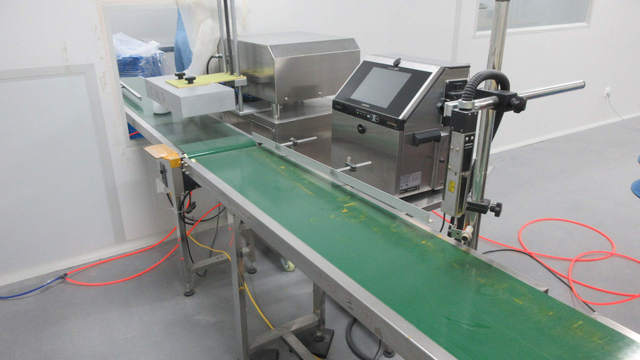
Ningbo Bolly biology Co., Ltd. is a leading China vegetal protein manufacturer specializing in high-quality plant protein ingredients for food and beverage applications. With a strong commitment to innovation, quality, and sustainability, the company provides comprehensive plant-based protein solutions to customers worldwide.
Leveraging advanced production technologies and strict quality management systems, Ningbo Bolly biology offers a diverse portfolio of vegetal protein ingredients, including soy protein, pea protein, rice protein, wheat protein, and other specialty plant proteins. These ingredients are widely used in functional foods, beverages, nutritional supplements, sports nutrition products, meat alternatives, dairy alternatives, bakery products, and health foods.
The company places great emphasis on research and development, continuously exploring new plant protein technologies to meet the evolving demands of the global food industry. Its experienced R&D team works closely with customers to develop customized ingredient solutions that enhance nutritional value, improve texture, optimize taste, and support clean-label product development.
Quality and safety are at the core of Ningbo Bolly biology' operations. The company implements rigorous quality control procedures throughout the entire production process, ensuring that all products meet international standards and customer requirements. By maintaining consistent product quality and reliable supply capabilities, the company has established long-term partnerships with food manufacturers, distributors, and brand owners across multiple international markets.
Driven by customer satisfaction and sustainable development, Ningbo Bolly biology Co., Ltd. continues to deliver innovative vegetal protein solutions that help customers create healthier, more sustainable, and market-competitive food and beverage products worldwide.
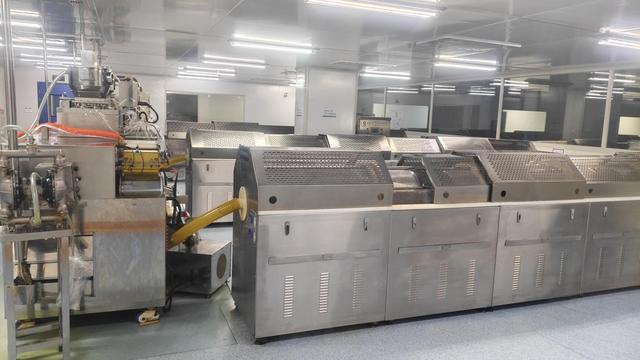
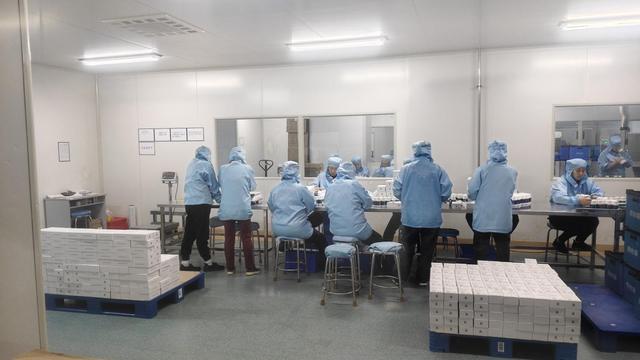
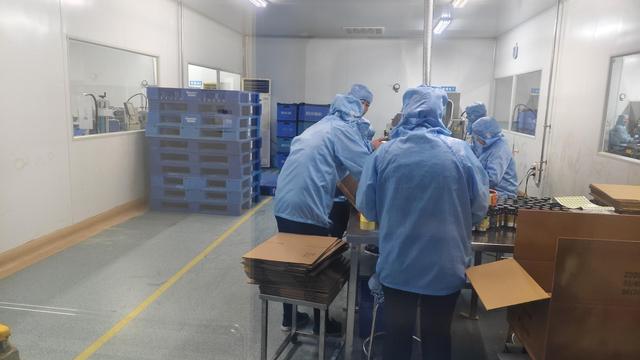
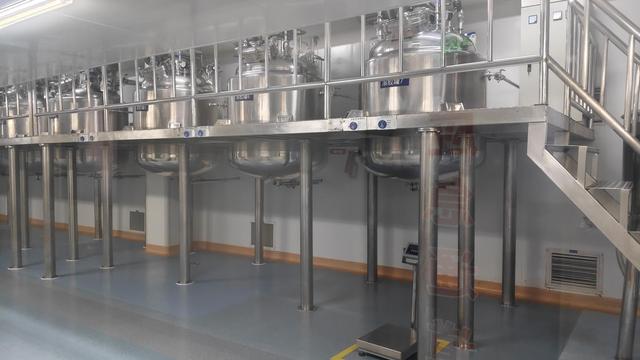
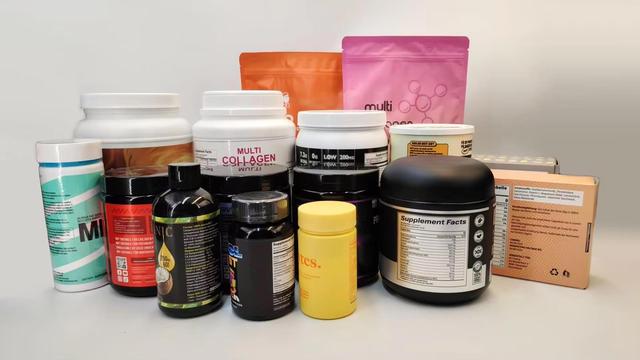
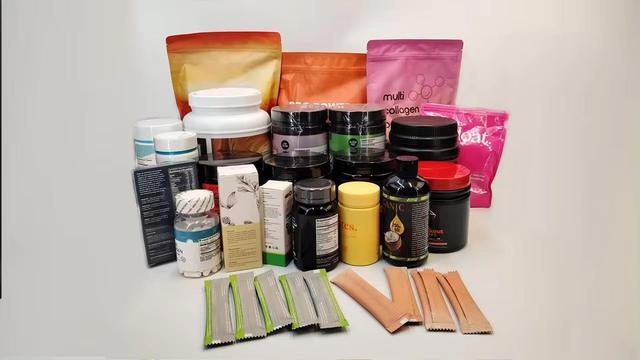

Sourcing plant protein into Finland requires rigorous attention to EU Novel Food guidelines. Canola protein isolate derived from Brassica napus and Brassica rapa must maintain compliance with EU Commission regulations. Our materials undergo complete batch screening to verify allergen profiles and ensure erucic acid concentration levels are kept well within the safety parameters specified by the European Food Safety Authority. Every cargo arrives with complete certification packages containing ISO 22000, HACCP, Halal, and Kosher certifications.
With our production headquarters located in Ningbo, we leverage one of the world's most efficient deep-water ports. For our Finnish buyers, we offer direct maritime cargo lanes from Ningbo Port to the Port of Helsinki or Port of Kotka-Hamina. By managing the supply chain in-house, from container packing to customs documentation, we reduce transit times and safeguard against the environmental humidity spikes that degrade dry protein products. We offer flexible incoterms including FOB, CIF, and DDP to match your logistics infrastructure.
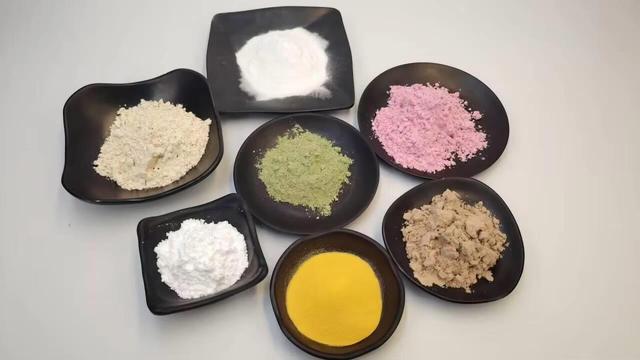
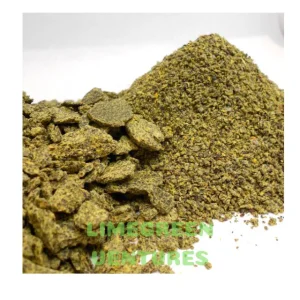
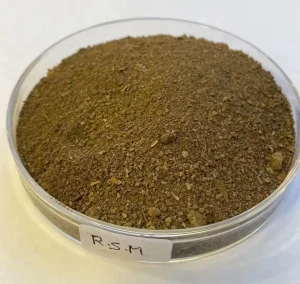
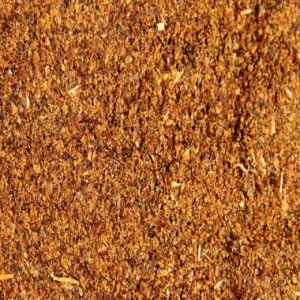
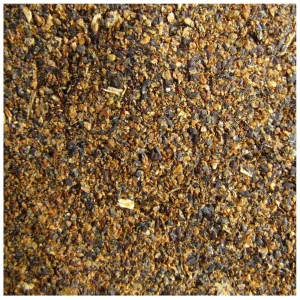
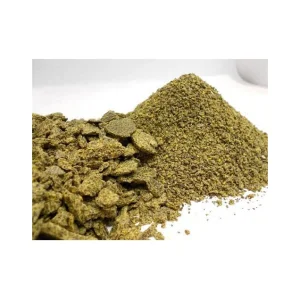
Explore our full line of export-quality, nutrient-dense products. Hover to inspect and select options.
Answers to technical and logistical questions commonly posed by Finnish purchasers, feed formulators, and food scientists.
Our canola protein isolate has a well-balanced amino acid profile rich in methionine and cysteine, making it highly synergistic when blended with leguminous proteins. Functionally, it exhibits excellent fat-binding, water-retention, and thermal gelation properties, which matches or exceeds the performance of soy protein isolate in meat analogs and bakery applications without the risk of GMO contamination.
We strictly process double-low rapeseed (canola) varieties. Through our technical roadmap involving hydrothermal inactivation and multi-stage aqueous-enzymatic extraction, we ensure erucic acid is maintained below 1% of total fatty acids, and glucosinolates are kept below 15 μmol/g, complying fully with EU regulations and safeguarding animal and human health.
Our standard export-grade rapeseed meal is dried to a moisture content of 2-4%. This low level is critical for long-distance maritime transit from Ningbo to Finland. It prevents fungal activity, thermal build-up, and chemical degradation, ensuring a minimum shelf life of 12-24 months when stored under cool, dry conditions.
Yes, absolutely. Our high-protein canola meal (60-65% protein) is widely used in aquaculture feed. We optimize the extraction to reduce phytic acid, which dramatically improves phosphorus availability. This minimizes the excretion of dissolved nutrients into water bodies, preventing eutrophication in closed or semi-closed sea pens.
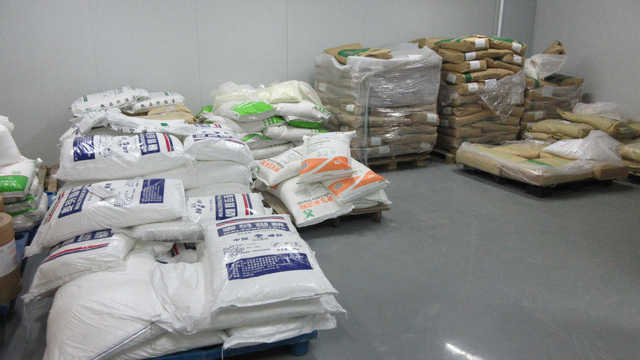
We support diverse packaging formats depending on product class. For food-grade isolates and hydrolyzed powders, we offer 10kg, 20kg, and 25kg multi-layer kraft paper bags with food-safe polyethylene liners. For feed-grade de-oiled meals and pellets, we support bulk container shipments (FCL) and 1000kg FIBC jumbo bags.
Yes, we maintain full Identity Preserved (IP) tracking from farm to factory. Every batch of rapeseed processed at our plant is traced to certified non-GMO agricultural zones. We issue verified PCR testing documentation confirming non-detectable GMO content with every shipment, meeting Finland's clean-label expectations.
Typical ocean shipping time from Ningbo Port to the Port of Helsinki ranges from 35 to 45 days. We issue comprehensive booking confirmations and tracking links, ensuring that customs and import clearance operations can be scheduled well in advance of vessel arrival.
Yes. Backed by our dedicated R&D division, we can adapt our membrane filtration parameters to deliver customized protein, ash, and fiber concentrations. Whether you need a highly dispersible 80% concentrate for sports beverages or a high-fiber 60% meal for ruminant feeds, we can produce customized formulations tailored to your exact technical specifications.
Get in touch with our plant protein specialists to request technical documentation, certificate portfolios, and customized samples matching your formulation needs.
Send Inquiry Now Bolly Biology