Japan’s food processing industry is undergoing a paradigm shift. Historically centered on soy (derived from traditional staples like tofu, miso, and natto), the domestic market is aggressively diversifying into alternative botanical proteins. This pivot is fueled by two primary vectors: the aging demographic (the "Silver Hair" nutritional sector) and the exponential increase in systemic allergen alerts associated with dairy and soy derivatives.
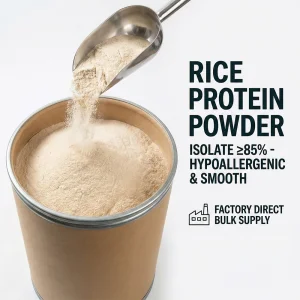
Traditional proteins like soy isolate contain endogenous allergen risks (glycinin and beta-conglycinin) which must be declared under Japanese food allergen labeling laws. Rice protein, conversely, acts as a hypoallergenic champion. Possessing an amino acid score comparable to whey (PDCAAS values exceeding 0.90 when balanced with pea protein), it has emerged as the ingredient of choice for leading food matrices across Tokyo, Osaka, and Nagoya industrial manufacturing zones.
1. Strict Clean-Label Initiatives: Consumers and food brands demand absolute transparency. Products must showcase "Non-GMO", chemical-solvent free extraction methods (avoiding hexane), and low pesticide trace residues. Our organic rice protein processing meets all specifications under the Japanese Agricultural Standards (JAS) system.
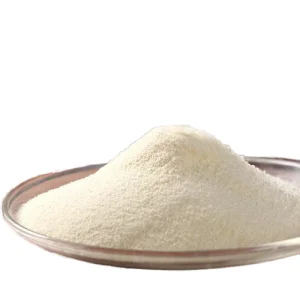
2. Sensory Superlatives: The Japanese palate is uniquely sensitive to textures. Conventional plant protein powders are often criticized for their "gritty" mouthfeel or sandiness. The integration of high-precision milling (600 mesh isolated rice protein) resolves this tactile hurdle, enabling silky suspensions in ready-to-drink (RTD) beverages.
3. Sarcopenia and Active Aging Solutions: With over 29% of the population aged 65 or older, there is a surge in demand for medical foods, easy-to-digest meal replacements, and amino-acid-dense formulas to combat muscle loss (sarcopenia). Rice peptides, due to their low molecular weight (<1,000 Daltons), are highly bioavailable, making them the ultimate active ingredient for geriatric nutrition in Japan.
For multinational food conglomerates and Japanese trading houses (Sogo Shosha), quality assurance is not a negotiation point; it is a structural barrier to entry. Ningbo Bolly Biology addresses these stringent benchmarks via an integrated physical-chemical control system. Our analytical controls cover three main areas:
Japan's Ministry of Health, Labour and Welfare (MHLW) enforces some of the world's tightest restrictions on toxic heavy metals. Rice naturally accumulates inorganic arsenic from soils. Bolly Biology utilizes pre-screened raw brown rice cultivated in low-mineral soils combined with multi-step ion-exchange purification to achieve heavy metal indices far below standard thresholds:
| Test Parameter | Standard Global Limit | Bolly Biology Japanese Spec | Testing Methodology |
|---|---|---|---|
| Inorganic Arsenic (As) | < 0.2 ppm | < 0.1 ppm | ICP-MS (Inductively Coupled Plasma) |
| Lead (Pb) | < 0.5 ppm | < 0.05 ppm | ICP-MS |
| Total Plate Count | < 10,000 cfu/g | < 3,000 cfu/g | AOAC Official Methods |
| Yeasts & Molds | < 100 cfu/g | < 50 cfu/g | FDA-BAM Methods |
In beverage formulations, protein precipitation and sedimentation are critical failure points. Standard 300-mesh rice protein is prone to rapid phase separation. By applying advanced air-jet micronization, we produce 600-mesh rice isolates. With a D90 particle distribution of less than 20 microns, our powder distributes perfectly in liquid phases, yielding clean-label plant milks with smooth textures and minimal grittiness.
Cross-contamination with gluten, soy, or dairy nullifies a product's hypoallergenic claim. Ningbo Bolly Biology has built dedicated, isolated production blocks solely for plant proteins. Regular automated Clean-In-Place (CIP) cycles, verified by ELISA allergen assay swabs, guarantee the physical separation of products, meeting the standards expected by Japanese food importers.
Standard industrial plants rely heavily on alkaline extraction methods. While this process is cheap, it risks denaturing the proteins, degrading key amino acids, and leaving behind chemical residues. Bolly Biology's R&D division has optimized an alternative, eco-friendly enzymatic extraction system.
This biological extraction system delivers several key product advantages:
By applying targeted endopeptidases to our rice protein isolate, we break down long-chain proteins into small molecular weight oligopeptides. These rice peptides have a molecular weight profile where over 85% of the molecules measure below 1,000 Daltons. In the body, these small chains are absorbed directly via the PepT1 transporter system rather than requiring standard enzymatic digestion. This rapid absorption makes them ideal for targeted sports nutrition products and therapeutic clinical recovery formulas.
Ningbo Bolly biology Co., Ltd. is a leading China vegetal protein manufacturer specializing in high-quality plant protein ingredients for food and beverage applications. With a strong commitment to innovation, quality, and sustainability, the company provides comprehensive plant-based protein solutions to customers worldwide.
Leveraging advanced production technologies and strict quality management systems, Ningbo Bolly biology offers a diverse portfolio of vegetal protein ingredients, including soy protein, pea protein, rice protein, wheat protein, and other specialty plant proteins. These ingredients are widely used in functional foods, beverages, nutritional supplements, sports nutrition products, meat alternatives, dairy alternatives, bakery products, and health foods.
The company places great emphasis on research and development, continuously exploring new plant protein technologies to meet the evolving demands of the global food industry. Its experienced R&D team works closely with customers to develop customized ingredient solutions that enhance nutritional value, improve texture, optimize taste, and support clean-label product development.
Quality and safety are at the core of Ningbo Bolly biology' operations. The company implements rigorous quality control procedures throughout the entire production process, ensuring that all products meet international standards and customer requirements. By maintaining consistent product quality and reliable supply capabilities, the company has established long-term partnerships with food manufacturers, distributors, and brand owners across multiple international markets.
Driven by customer satisfaction and sustainable development, Ningbo Bolly biology Co., Ltd. continues to deliver innovative vegetal protein solutions that help customers create healthier, more sustainable, and market-competitive food and beverage products worldwide.
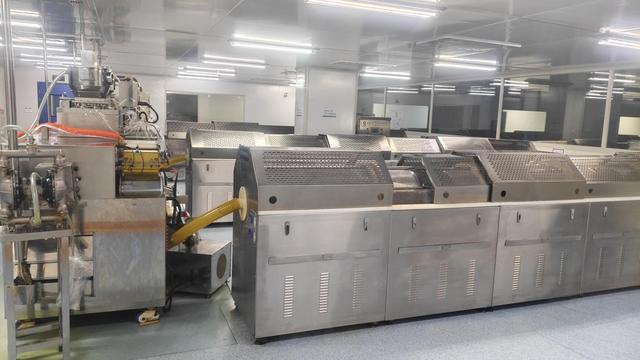

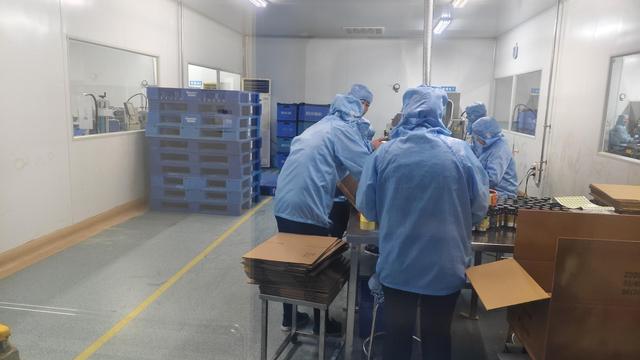

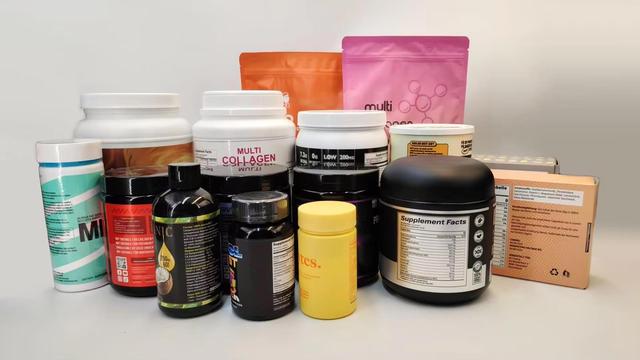
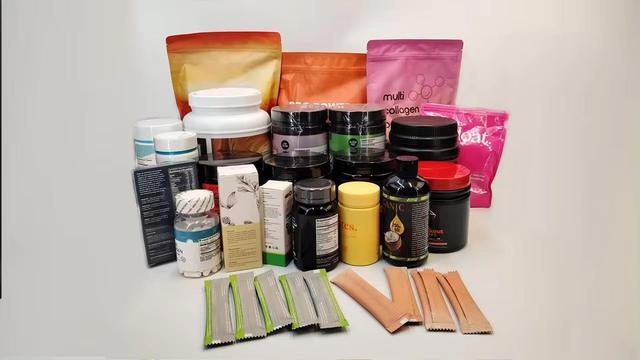
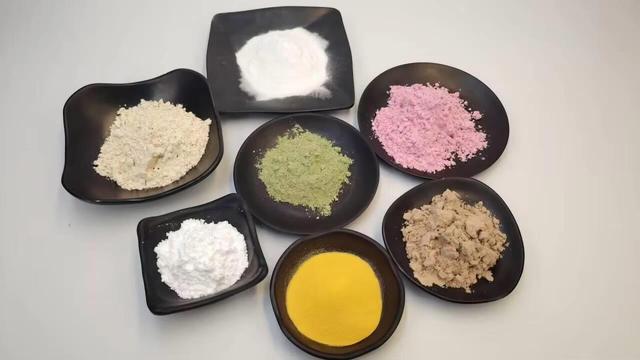

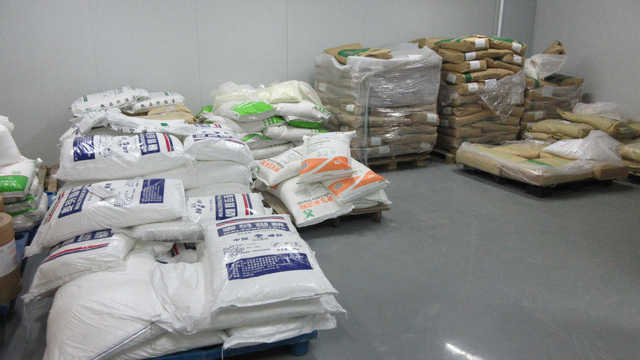

Exporting food ingredients to Japan requires strict adherence to local food sanitation laws. At Bolly Biology, we provide direct compliance support to guide your products through the inspection and clearance process smoothly:
Our organic line is fully compliant with the Japan Agricultural Standards (JAS) organic scheme. This certification ensures our products meet Japan's organic requirements, allowing you to use the official organic JAS mark on your retail packaging.
Under Japan's Positive List System, food products must show minimal pesticide residues. We run comprehensive raw material testing for over 500 pesticide types, ensuring every batch complies with the system's strict requirements.
Located near Ningbo-Zhoushan Port, we offer direct shipping routes to major Japanese entry ports like Tokyo, Yokohama, Kobe, and Osaka. With standard shipping times of 3 to 5 days, we help keep your supply chain efficient and reliable.
Get in touch with our technical sales team for spec sheets, samples, and compliance documentation tailored for the Japanese market.
Send Inquiry Now Bolly Biology