Bolly Biology

1 / 5

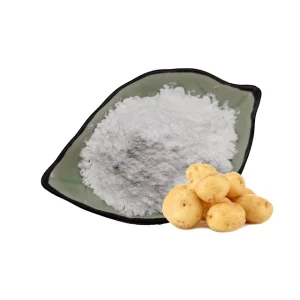
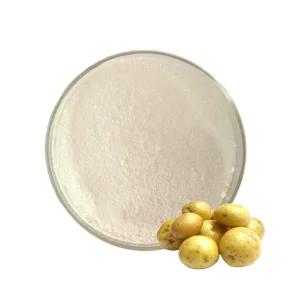
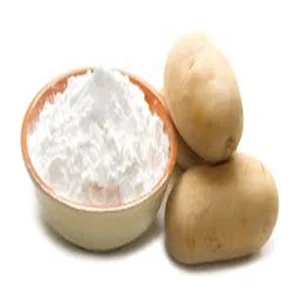
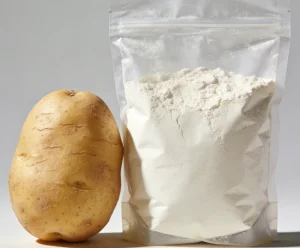
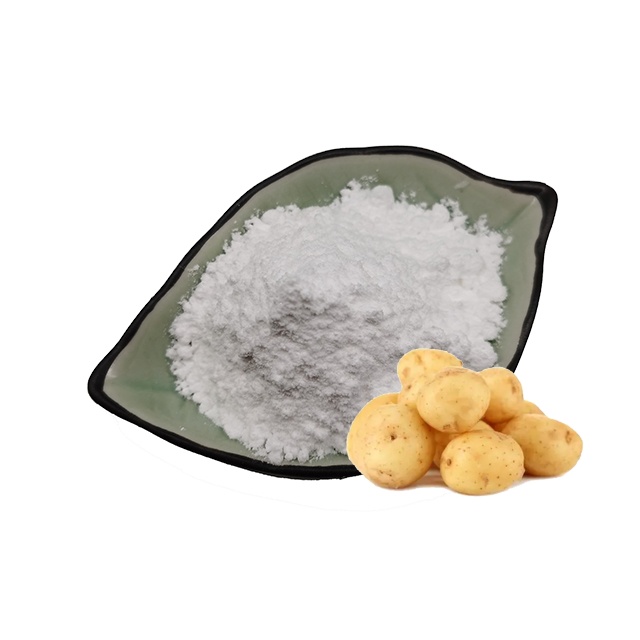
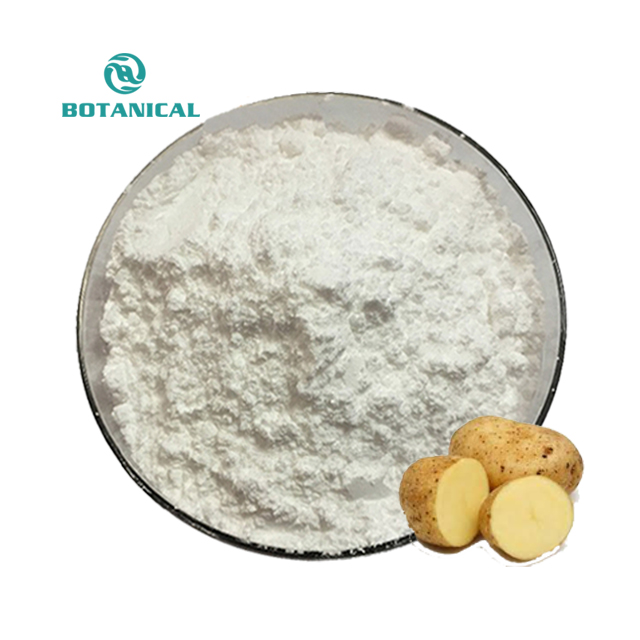
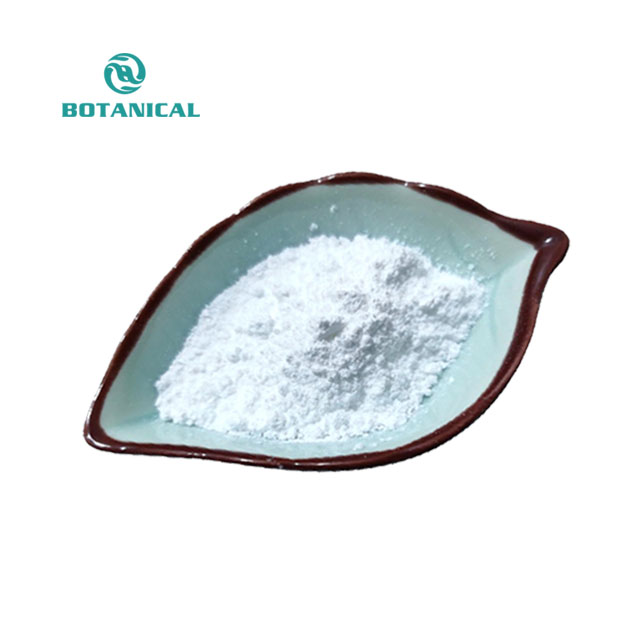
Potato Starch is obtained by washing clean potato powder, filtering, sedimenting, and drying the resulting sediment, which can be used as a thickening agent. Potato Flour is also commonly referred to as potato starch, not to be confused with the two. Although not as thick as Potato Flour for thickening, it retains moisture in some baked goods. Potato Flour is heavier than Potato Flour. Potato flour still tastes like potatoes, whereas Potato Flour has no noticeable taste.
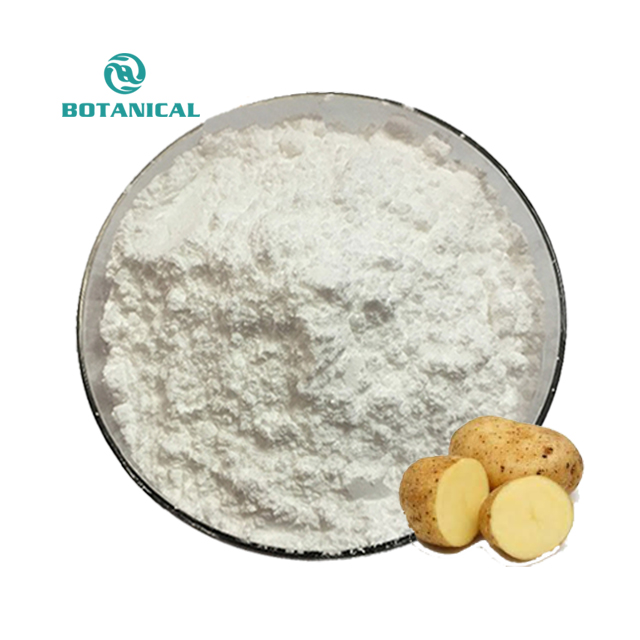
| Product name | Potato starch |
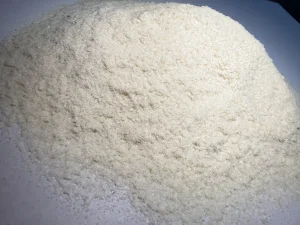
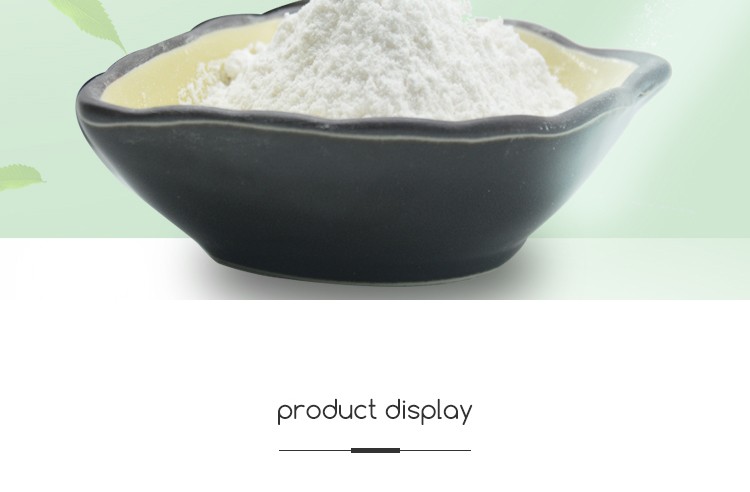
| Appearance | White powder |
| Ingredients | Protein |
| Specification | 85%min |
| Detection method | TLC |
| COA | Available |
| Shelf life | 2 years proper storage |
| Application field | Food |


In confectionery, potato starch is used as a filler and icing to optimize final texture.
Adding potato starch to dough increases toughness, elasticity, water absorption, and reduces total oil content.
High transparency of gelatinized potato starch helps prevent color change in processed meats.
Using potato starch in yogurt yields better overall flavor profile and enhances eating quality.



Potato Starch is extracted from clean potato pulp through washing, filtration, sedimentation, and drying. It serves as an exceptional thickening, stabilizing, and texturizing agent in various foods.
Unlike Potato Flour which is made from whole dehydrated potatoes and retains a heavy potato flavor, Potato Starch is pure extracted starch with no noticeable taste, rendering it ideal for neutral applications.
This specification ensures that the active starch purity content of the powder is 85% minimum, meeting strict commercial food processing grades.
In pasta production, it increases dough toughness, improves water absorption, enhances cooked elasticity, and helps to effectively reduce oil absorption during processing.
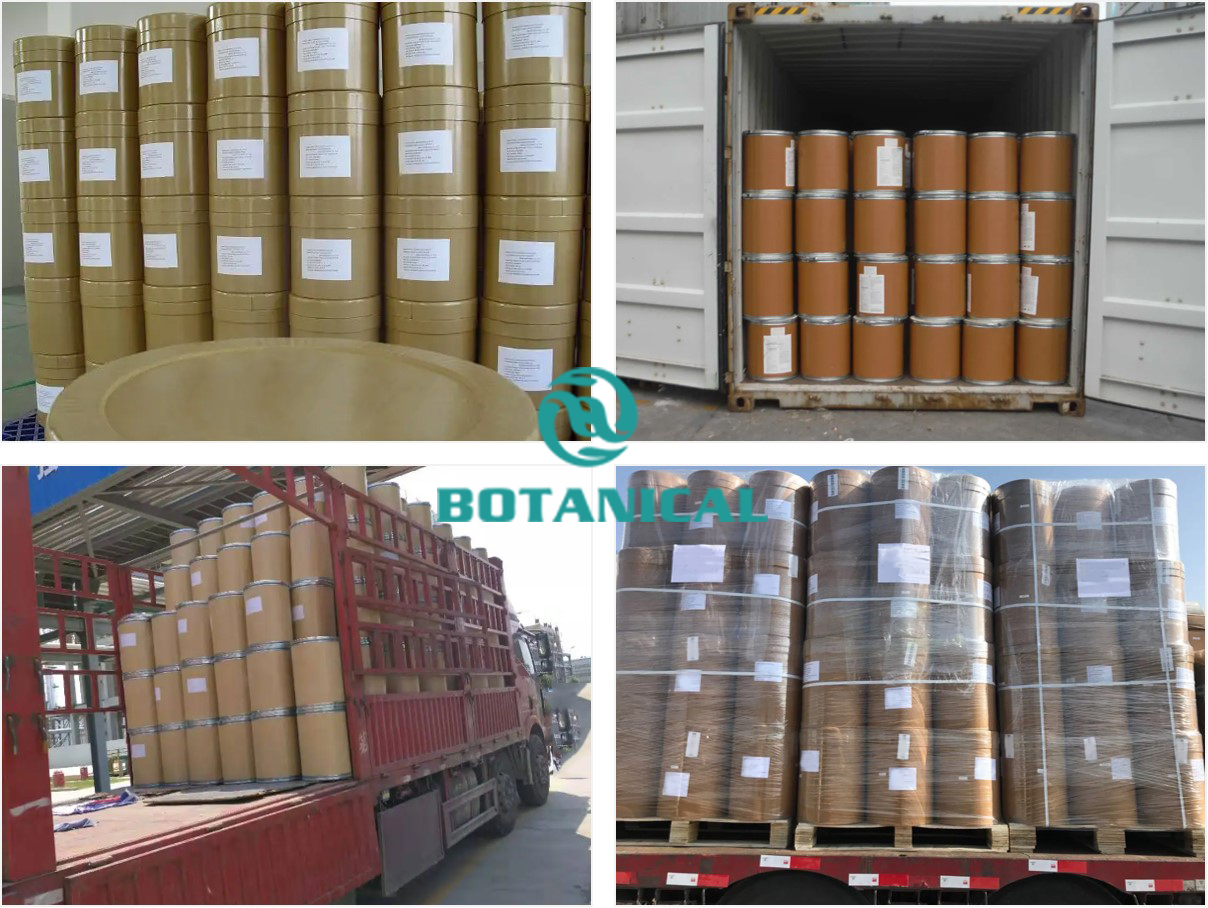
It has a shelf life of up to 2 years. Keep the powder stored in a cool, dry, dark environment, and ensure the packaging remains properly sealed to prevent moisture absorption.