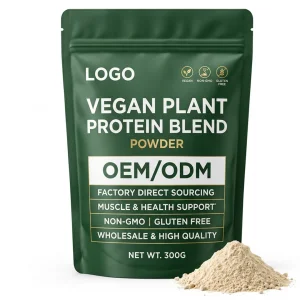
Organic Protein Sunflower Seed Protein Powder with Low Fat Protein Fusion
Product Description
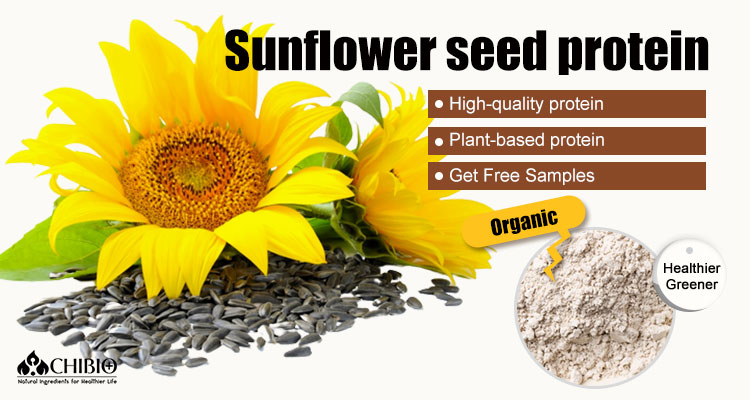
What is Sunflower seed protein?
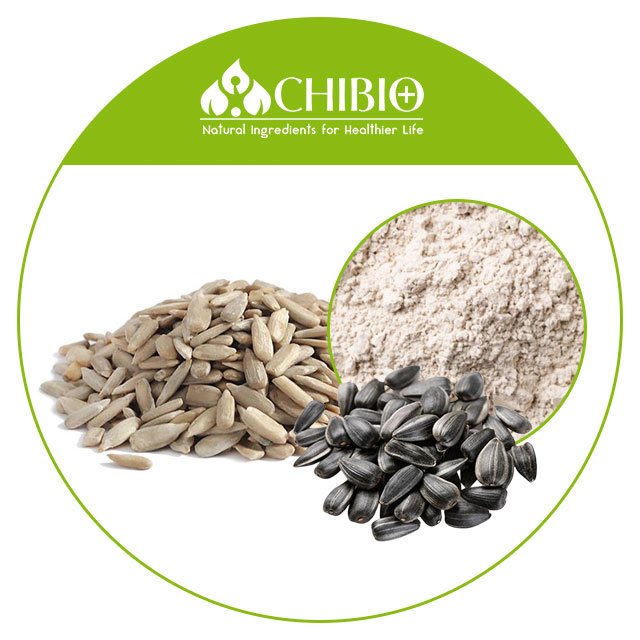
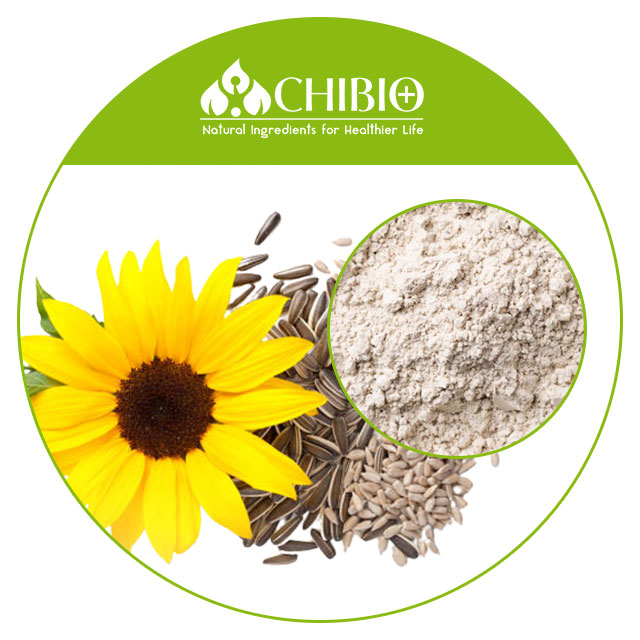
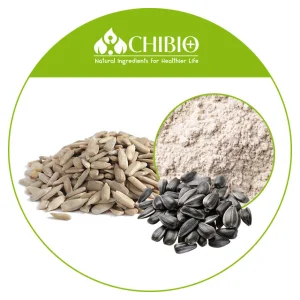
Sunflower seed protein is also known as sunflower protein. It is a protein product made from defatted sunflower seed cake meal, after removing the shell and phenolic acid compounds such as chlorogenic acid and caffeic acid. The main component is globulin (about 70%-79%), followed by albumin and a small amount of gluten and alcohol soluble protein. The amino acid composition is low in lysine and high in other essential amino acids.
Sunflower seed protein has good water absorption, oil absorption, emulsification and foaming properties. Sunflower seed powder can absorb 170% of water and 208% of oil, and its oil absorption is higher than that of soybean protein. Sunflower seed protein concentrate and isolated protein have foaming and stirring properties similar to fresh egg whites.
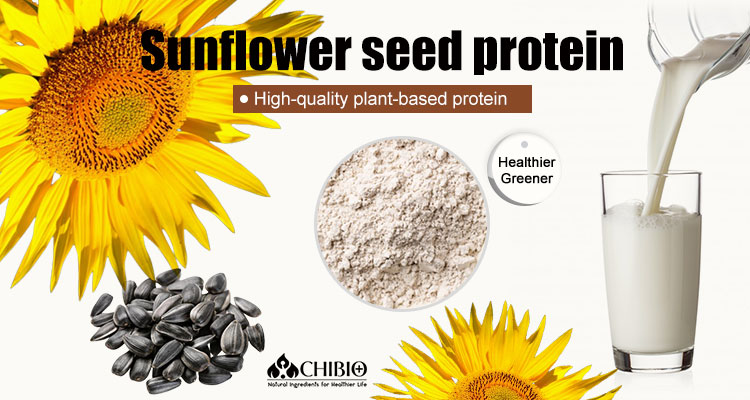
Nutritional Properties of Sunflower Seed
Sunflower seeds have some variability in the composition of their chemical composition depending on the variety and growing environment. The domestic sunflower seeds usually contain 40% to 68% fat, 21% to 30% protein, 2.0% to 6.5% carbohydrate, 6.0% crude fiber and 3.2% to 5.4% ash. The sunflower seed cake meal after oil extraction generally contains 29% to 43% crude protein, 4% to 15% crude fat, 7% to 23% cellulose, 3% to 19% moisture, and 7% to 10% ash.
The amino acid composition of sunflower protein is higher in lysine than cereal protein, but slightly lower compared to soy protein and animal protein, and the other various amino acids have a good balance. Sunflower protein is rich in sulfur-containing amino acids such as methionine and has good digestibility (90%) and high biomass value (60%) compared with most vegetable proteins.
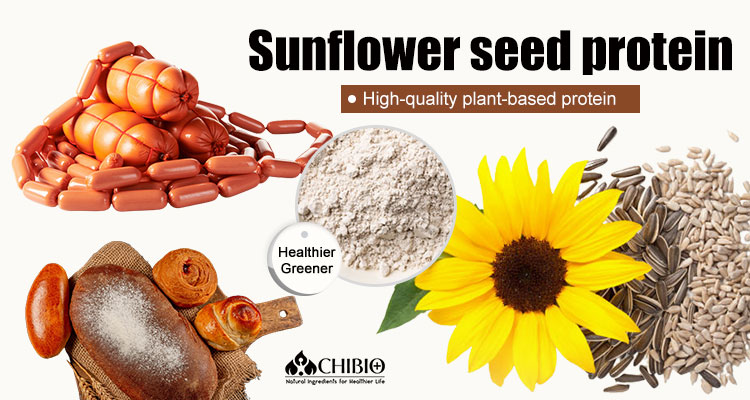
Applications of Sunflower Seed Protein
-
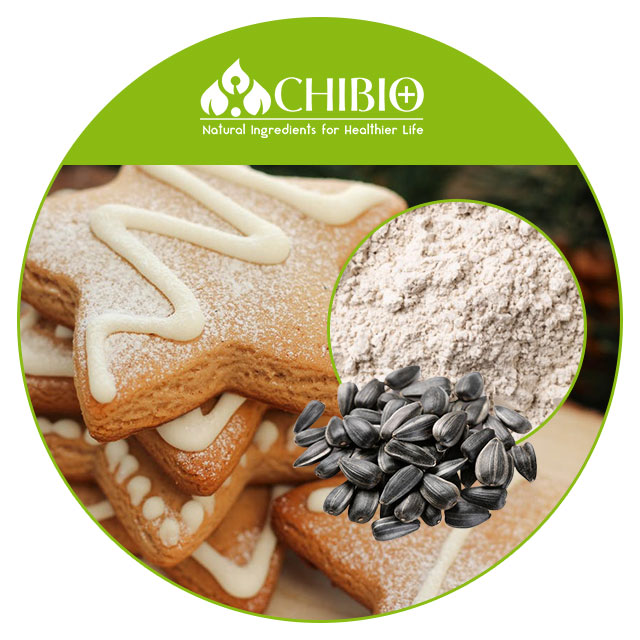
For general food: Add 1%-2% defatted sunflower seed protein powder to bread and other foods after steaming for 1 hour with moist heat, which can strengthen nutrition and make up for the lack of essential amino acid content in flour, and also increase the elasticity of bread flesh and play the effect of preventing starch aging in flour.
-
Additive in meat products: Adding sunflower seed protein to meat products such as sausages, which shrink less when smoked, can not only prevent grease separation and less weight loss but also increase the tenderness of sausages and make the products richer in good palatability.
-
Making artificial milk and other beverages: Sunflower protein has a soft odor and no bean smell, which is a good raw material for advanced beverages and artificial milk. Sunflower seed protein concentrate is heat-treated at 80℃, and emulsifier is added after mechanical stirring to make an emulsion containing 3% protein, which is mixed with milk in the ratio of 1:1 to obtain mixed milk with good flavor and color.
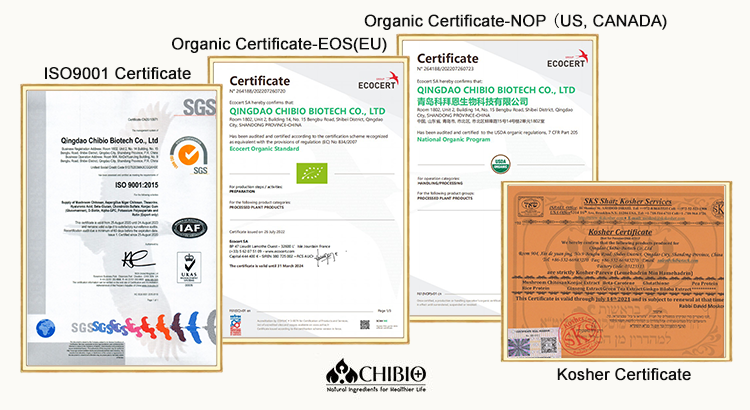
Enterprise Profile
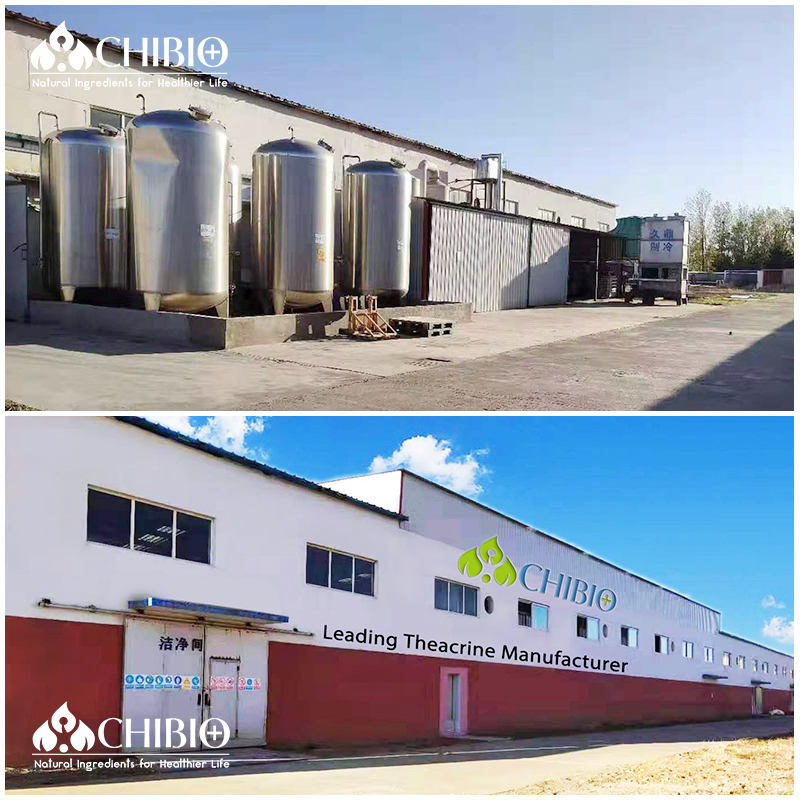
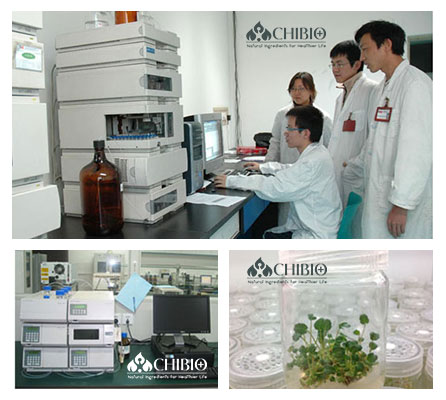
As a biotechnology company integrating science, industry, and trade, the production has been focused on R&D and manufacturing of high-end natural ingredients with commercial potentiality for over 8 years. We provide the purer and safer raw materials and plant extraction technology for laboratories and technology companies. We provide many natural ingredients with future commercial potential.

Since its establishment, the enterprise is engaged in the manufacturing and trading of well-characterized Non-animal Chitosan (Mushroom, Aspergillus Niger Chitosan), Theacrine (Natural Kucha Tea Leaf Extract & Synthetic), health support, cosmetics, food raw materials, and other natural ingredients.
Based on years of research & development and sales of food additives, raw materials of cosmetics, wine beverage, and health care etc., combined with the application & scientific research results of natural product activity, the enterprise is committed to the global health industry, promoting natural ingredients with great commercial potentiality to the global application fields of health care, and realizing industrialization and marketization.
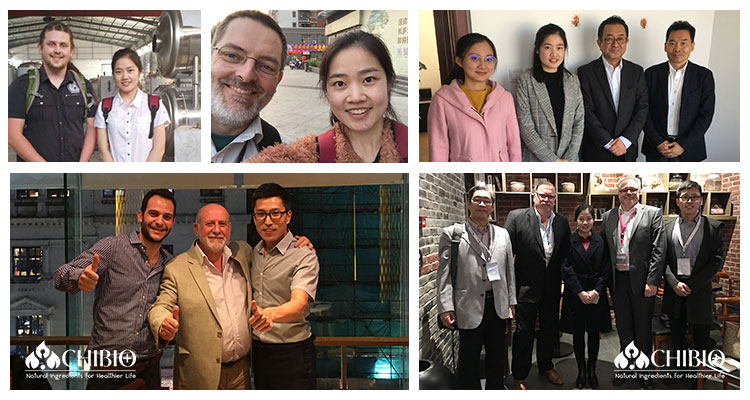
For many years, we have always been one of the most trustworthy suppliers, actively practicing responsible sourcing together with our customers. We are happy to serve the global ingredients community!
Packing & Delivery

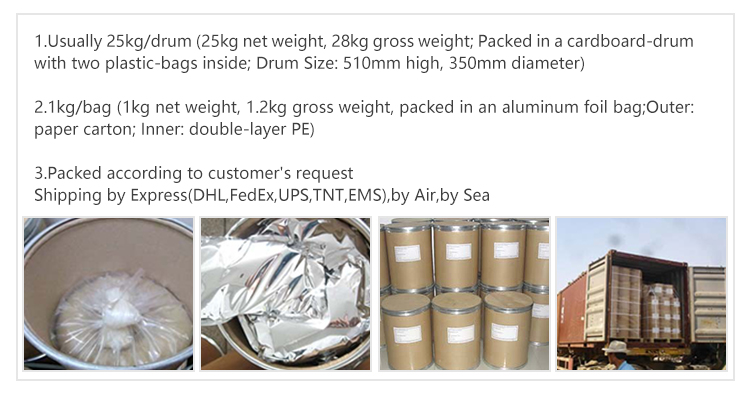
1. Usually 25kg/drum (25kg net weight, 28kg gross weight; Packed in a cardboard-drum with two plastic-bags inside; Drum Size: 510mm high, 350mm diameter)
2. 1kg/bag (1kg net weight, 1.2kg gross weight, packed in an aluminum foil bag; Outer: paper carton; Inner: double-layer PE)
3. Packed according to customer's request
Shipping by Express (DHL, FedEx, UPS, TNT, EMS), by Air, by Sea
Frequently Asked Questions
Q1: What is sunflower seed protein powder?
A: Sunflower seed protein is a plant-based protein product made from defatted sunflower seed cake meal after removing the shell and phenolic acid compounds (such as chlorogenic acid and caffeic acid). It serves as an excellent low-fat protein option.
Q2: What is the nutritional profile of sunflower seed protein?
A: The protein consists mostly of globulin (70%-79%) and albumin. It features high digestibility (90%) and a high biomass value (60%). It is balanced in essential amino acids and particularly rich in sulfur-containing amino acids like methionine.
Q3: How does sunflower seed protein compare to soy protein?
A: Sunflower seed protein has higher oil absorption characteristics than soy protein. Additionally, it has a soft, neutral odor with no "beany" smell, making it highly desirable for clean-label food and beverage formulations.
Q4: What are the main functional properties of this protein powder?
A: It offers outstanding water absorption (up to 170%), oil absorption (up to 208%), emulsification, and foaming capabilities similar to fresh egg whites.
Q5: In what types of food applications can it be used?
A: It is widely used in baking (enhancing bread elasticity and preventing starch aging), as a stabilizer and texturizer in meat products like sausages, and as a base ingredient for artificial dairy milk and other nutritional beverages.
Q6: What packaging options are available for shipping?
A: Standard packaging includes 25kg cardboard drums with dual plastic bags inside, and 1kg aluminum foil bags inside paper cartons. Customized packaging can also be arranged per request.
 Bolly Biology