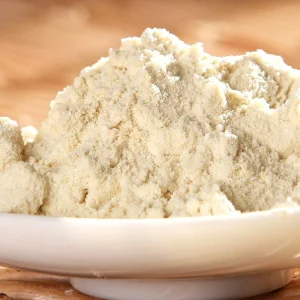
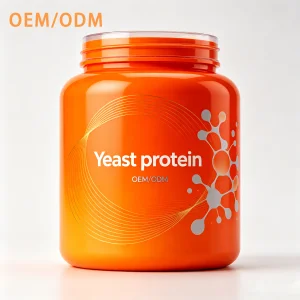
Premium functional proteins designed for food, beverage, and performance nutrition applications.
An analytical breakdown of market acceleration, biological advantages, and modern supply chains.
The global food industry is undergoing a profound paradigm shift. Standard plant-based isolates (pea, soy, rice) are no longer sufficient to satisfy the hyper-discerning consumer who demands clean-label transparency, superior organoleptic profiles, and optimal nutritional efficacy. According to industry analyses, the global alternative protein space is increasingly migrating toward bio-fermented plant proteins. Fermentation represents the next evolution in clean-label food architecture, addressing the three persistent historical issues of raw plant proteins: bitter off-notes, anti-nutritional factors (ANFs), and low bio-solubility.
Historically, plant proteins derived from legumes, grains, and oilseeds have carried compounds such as phytic acid, saponins, tannins, and trypsin inhibitors. These molecules act as anti-nutritional factors, chelating essential minerals (zinc, iron, calcium) and impairing digestive proteolysis within the human gastrointestinal tract. Through modern microbial fermentation technology, these ANFs are degraded enzymatically, yielding proteins with a significantly improved PDCAAS (Protein Digestibility-Corrected Amino Acid Score) and exceptional gut bio-availability.
Furthermore, the industrial scaling of precision-controlled fermentation allows OEM/ODM clients to bypass traditional extraction methodologies that rely heavily on chemical solvents. Global regulatory bodies (FDA, EFSA) are responding with expanded pipelines for GRAS (Generally Recognized as Safe) and Novel Food approvals for fermented ingredients, driving multinational fast-moving consumer goods (FMCG) corporations to rapidly incorporate fermented plant protein isolates into sports supplements, medical foods, and meat alternatives.
Understanding the biological pathways that transform basic plant materials into superfood ingredients.
| Feature Parameter | Standard Plant Protein Isolates | Fermented Plant Protein Isolates | OEM Custom/Targeted Benefits |
|---|---|---|---|
| Amino Acid Profile | Often deficient in specific essential amino acids (e.g., lysine in grains, methionine in legumes). | Synthesized microbial proteins enrich the amino acid profile, maximizing PDCAAS scores. | Enables complete-protein formulation without blending excessive raw inputs. |
| Anti-Nutritional Factors (ANFs) | High concentrations of phytates, trypsin inhibitors, and lectins (may cause gastrointestinal discomfort). | Up to 98% reduction of ANFs via microbial enzymatic degradation. | Ideal for hypoallergenic, infant, and elderly gut-sensitive nutrition products. |
| Organoleptic Profile | Strong vegetal notes, earthy bitterness, green "beany" off-notes require high usage of masking agents. | Clean, neutral taste with subtle yeast/malt undertones; acts as a natural flavor enhancer. | Allows formulation with minimal sweeteners, achieving cleaner ingredient deck labels. |
| Solubility & Rheology | Low solubility in acidic media, prone to sedimentation and gritty mouthfeel in RTD applications. | High dispersion index, lower viscosity, stable suspension across wide pH ranges. | Excellent performance in Ready-To-Drink (RTD) beverages, protein powders, and creams. |
Our bio-fermentation development pipeline is structured on a systematic, technology-first approach to protein optimization. In partnership with elite research universities and agricultural scientists, Ningbo Bolly Biology has established a three-phase technological pathway:
The future of alternative proteins belongs to hybrid matrices—combining the raw material resilience of pea and fava bean with the refined sensory properties of fermented fungal and yeast biomass. Our R&D division is continuously optimizing this hybrid structure to achieve a neutral taste profile directly from the extraction phase, eliminating post-process synthetic additives.
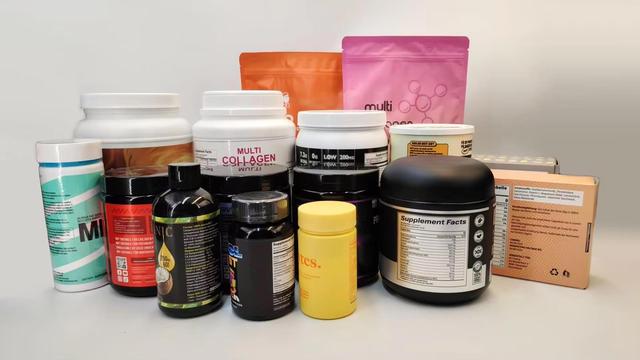
At Ningbo Bolly Biology, we operate as a full-scale industrial OEM/ODM partner. We do not simply supply bulk ingredients; we deliver highly specialized solutions tailored to dynamic market needs:
Delivering targeted functional profiles configured for regional and category-specific market Demands.
A pioneer in advanced vegetal and fermented protein processing technologies.
Ningbo Bolly biology Co., Ltd. is a leading China vegetal protein manufacturer specializing in high-quality plant protein ingredients for food and beverage applications. With a strong commitment to innovation, quality, and sustainability, the company provides comprehensive plant-based protein solutions to customers worldwide.
Leveraging advanced production technologies and strict quality management systems, Ningbo Bolly biology offers a diverse portfolio of vegetal protein ingredients, including soy protein, pea protein, rice protein, wheat protein, and other specialty plant proteins. These ingredients are widely used in functional foods, beverages, nutritional supplements, sports nutrition products, meat alternatives, dairy alternatives, bakery products, and health foods.
The company places great emphasis on research and development, continuously exploring new plant protein technologies to meet the evolving demands of the global food industry. Its experienced R&D team works closely with customers to develop customized ingredient solutions that enhance nutritional value, improve texture, optimize taste, and support clean-label product development.
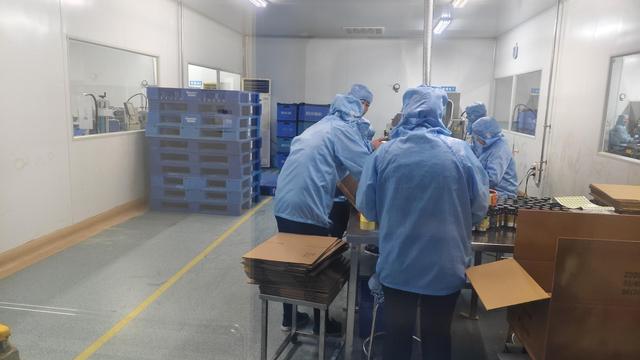
Quality and safety are at the core of Ningbo Bolly biology' operations. The company implements rigorous quality control procedures throughout the entire production process, ensuring that all products meet international standards and customer requirements. By maintaining consistent product quality and reliable supply capabilities, the company has established long-term partnerships with food manufacturers, distributors, and brand owners across multiple international markets.
Driven by customer satisfaction and sustainable development, Ningbo Bolly biology Co., Ltd. continues to deliver innovative vegetal protein solutions that help customers create healthier, more sustainable, and market-competitive food and beverage products worldwide.






Technical answers regarding quality assurance, industrial scale, and production timelines.
Advanced proteins, custom blends, and specialized formulations for unique applications.
 Bolly Biology